Big shakeup! Cyrus Mistry removed as Tata Sons chairman, Ratan Tata steps in
A selection panel has been formed to find a successor in four months. The decision has been taken after the board meeting today.
By ET Bureau | Updated:

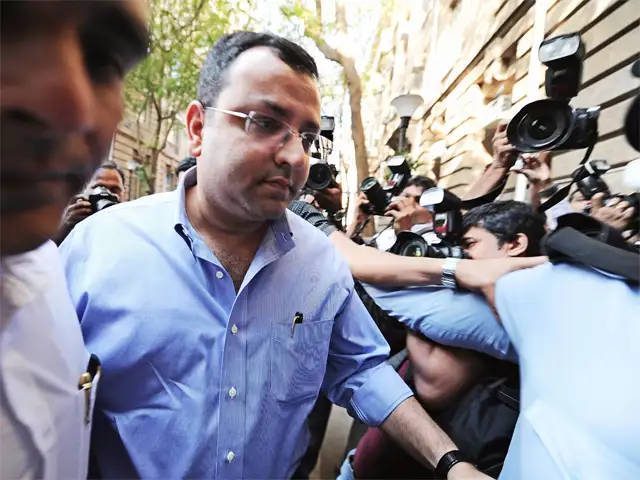
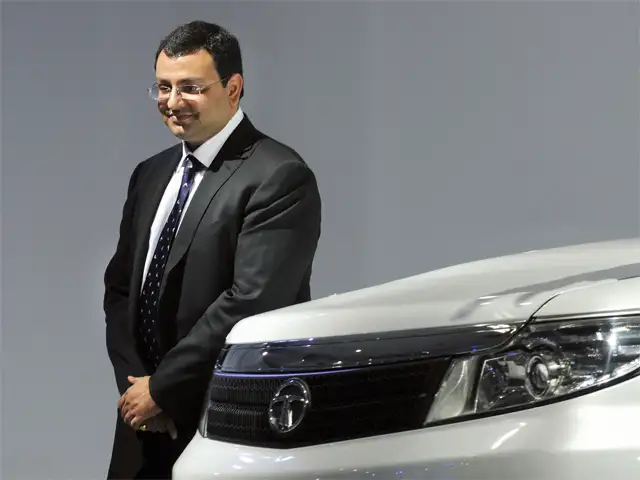
MUMBAI: The board of Tata Sons shocked corporate India by sacking Cyrus Mistry as chairman four years into the job as Ratan Tata emerged from retirement to wrest back control of the group that bears his family name. The unprecedented move could spark a battle between two of Mumbai’s oldest business families, which share close ties — the Mistrys own about a fifth of Tata Sons, the group holding company.
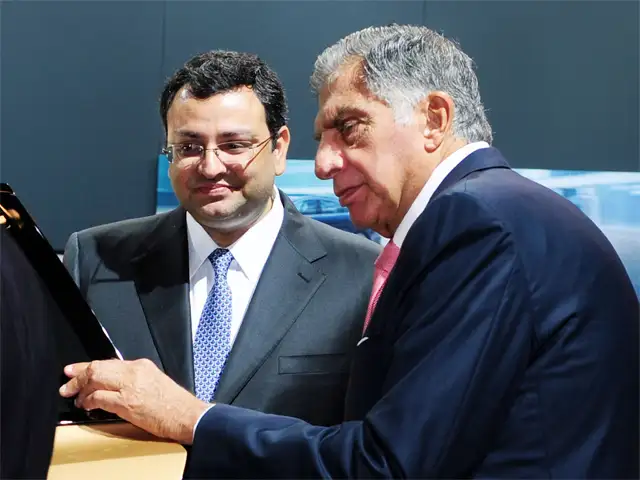
Tata Sons said a selection committee will choose a permanent replacement for Cyrus Mistry in the next four months. Tata, 78, who quit in 2012 after more than 20 years in charge, will serve as interim chairman of India’s biggest conglomerate during that period. Mistry, 48, remains a Tata Sons director. Tata, who has written to Prime Minister Narendra Modi informing him of the move, is likely to meet group CEOs on Tuesday.
Neither Tata nor Mistry could be reached for comment amid speculation about non-performance and undermining of the group's value system. Tata said in a note to employees that he'd agreed to serve as interim chairman "in the interest of stability of and reassurance to the Tata Group."
Was Tata Sons unhappy with Mistry's approach of focusing only on cash cows?

A senior group executive told ET that the decision had been unexpected. A person familiar with the matter at the Tata Group refuted this, saying that there had been discussions about the issue and that it had been Mistry who insisted on a board vote.
A top Shapoorji Pallonji executive said Mistry would issue a "statement soon", adding, "it could be later tonight or early tomorrow".
He rejected speculation that the group would consider a legal challenge, saying that nobody from Shapoorji Pallonji has spoken about this.
The Tata camp had consulted legal luminaries like
Mohan Parasaran and former finance minister P Chidambaram before arriving at its decision.
Noted lawyer Harish Salve and Abhishek Singhvi have also been roped in for any courtroom battles, people aware of the matter said.
Shares of Tata Group companies could face rough weather at least for a time as investors digest the meaning behind Monday’s development.
Mistry was selected to succeed Tata in November 2011 after a global search of over a year, becoming only the second non-family member chosen for the top job in its then 143-year history. The handover took place in December 2012 with Tata taking an emeritus role.
Discontent over Mistry's style of functioning has been brewing for the last 12-18 months, particularly with regard to his vision and the direction of the group, said people aware of the matter.
COS TACKLING CHALLENGES
Several group companies, especially Tata Steel and Tata Tele, have been confronting challenges. Steel and telecom notched up years of losses and the former was forced to offload assets in UK, following weak metal prices across Europe. Tata Motors, which owns Jaguar Land Rover, was hit by slowing demand in China, once its fastest-growing market.
A power-generation unit guzzles capital but produces little profit. The sub-scale mobile-telecoms operator is in a costly arbitration row with NTT DoCoMo, its joint-venture partner. Its hotels unit, which operates the Taj brand at home and abroad, is a perennial loss-maker.
Mistry has been accused by critics of dodging difficult decisions and not doing enough to restructure sprawling operations. The conglomerate's total revenue fell 5% last year to $103.5 billion.
On the other hand, Mistry has only had four years to try and turn around complex and heavily debt-laden businesses while being buffeted by anaemic global growth, financial market instability and acommodity price collapse.
While Tata Group company shares have soared in the four years, sales have fallen, debt has risen and return on equity has shrunk. He has acted tough in certain cases such as the sale of Tata Chemicals’ fertiliser business, the offloading of Indian Hotel Co's shares in Orient Express, the decision to sell the Corus plant in the UK and to merge the European steel business with German giant ThyssenKrupp. His decision to replace Raymond Bickson at IHC with Rakesh Sarna and his reluctance to pump more money into the aviation business may not have gone down too well with Ratan Tata, known to be passionate about hospitality and flying.
IRISH CITIZENSHIP
Another point of friction is said to have been Mistry's reluctance to give up his Irish citizenship and take on Indian citizenship after becoming chairman in 2012. The fact that he has not done so and the belief that he has not kept the Tata Sons board fully informed of all decisions is being cited by some Tata Group insiders as the reason behind the disenchantment.
Tata insiders said Mistry had been informed about the concerns of the shareholders and was asked to go when there was no improvement.
A person familiar with the matter said Mistry had not been sufficiently sensitive to larger stakeholder concerns about key decisions, a case in point being the decision to sell Corus.
The move had damaged the Tata image in the UK, the person said. Tata was also unhappy about the handling of the dispute with DoCoMo, though what Mistry could have done differently given Indian law is not clear.
Mistry is also said to have centralised power. "There is a possibility of decentralising power and the corporate centre will just play an overarching role going forward and individual businesses will be handled by company management," said a former senior Tata Sons executive on condition of anonymity.
Tata's expansionist strategy increased the group's revenues from around $6 billion to $100 billion over two decades but saw group debt ballooning.
Analysts pegged the Tata Group's gross debt in March at over Rs 3 lakh crore and a net debt of over Rs 2 lakh crore.
"Ratan Tata's return to the helm is perhaps the most fitting move to protect and embellish the value architecture of the House of Tata," said Suhel Seth, managing partner of consultancy firm Counselage India and an old Tata Group associate.
With Monday's decision, Ratan Tata may get another chance at reshaping the group.
Also read: Four years under Cyrus Mistry’s watch, Tatas march to a new drumbeat
Tata Sons said a selection committee will choose a permanent replacement for Cyrus Mistry in the next four months. Tata, 78, who quit in 2012 after more than 20 years in charge, will serve as interim chairman of India’s biggest conglomerate during that period. Mistry, 48, remains a Tata Sons director. Tata, who has written to Prime Minister Narendra Modi informing him of the move, is likely to meet group CEOs on Tuesday.
Neither Tata nor Mistry could be reached for comment amid speculation about non-performance and undermining of the group's value system. Tata said in a note to employees that he'd agreed to serve as interim chairman "in the interest of stability of and reassurance to the Tata Group."
Was Tata Sons unhappy with Mistry's approach of focusing only on cash cows?
#TataSons what's happened to Cyrus is a 'Mistry'!
— Harsh Goenka (@hvgoenka) October 24,
2016The selection committee comprises Ratan Tata and Tata Sons board members Venu Srinivasan, Amit Chandra, Ronen Sen and Kumar Bhattacharyya. Lord Bhattacharyya was also part of the search committee that picked Mistry in 2012 and had described him at the time as "bright and selfless".
ADVERTISEMENT
Given Mistry’s age, it had been expected that he would have a long innings at the helm.The committee to find a new chairman doesn't include six of the nine Tata Sons directors, including Ajay Piramal, Nitin Nohria and Farida Khambata.ADVERTISEMENT
Six board members voted in favour of the resolution to remove Mistry, with Ishaat Hussain and Khambata abstaining. The Mistry family's Shapoorji Pallonji group is believed to have taken strong exception to the way in which the chairman was removed.A senior group executive told ET that the decision had been unexpected. A person familiar with the matter at the Tata Group refuted this, saying that there had been discussions about the issue and that it had been Mistry who insisted on a board vote.
ADVERTISEMENT
| |
He rejected speculation that the group would consider a legal challenge, saying that nobody from Shapoorji Pallonji has spoken about this.
The Tata camp had consulted legal luminaries like
Mohan Parasaran and former finance minister P Chidambaram before arriving at its decision.
Noted lawyer Harish Salve and Abhishek Singhvi have also been roped in for any courtroom battles, people aware of the matter said.
Shares of Tata Group companies could face rough weather at least for a time as investors digest the meaning behind Monday’s development.
Mistry was selected to succeed Tata in November 2011 after a global search of over a year, becoming only the second non-family member chosen for the top job in its then 143-year history. The handover took place in December 2012 with Tata taking an emeritus role.
Discontent over Mistry's style of functioning has been brewing for the last 12-18 months, particularly with regard to his vision and the direction of the group, said people aware of the matter.
COS TACKLING CHALLENGES
Several group companies, especially Tata Steel and Tata Tele, have been confronting challenges. Steel and telecom notched up years of losses and the former was forced to offload assets in UK, following weak metal prices across Europe. Tata Motors, which owns Jaguar Land Rover, was hit by slowing demand in China, once its fastest-growing market.
A power-generation unit guzzles capital but produces little profit. The sub-scale mobile-telecoms operator is in a costly arbitration row with NTT DoCoMo, its joint-venture partner. Its hotels unit, which operates the Taj brand at home and abroad, is a perennial loss-maker.
Mistry has been accused by critics of dodging difficult decisions and not doing enough to restructure sprawling operations. The conglomerate's total revenue fell 5% last year to $103.5 billion.
On the other hand, Mistry has only had four years to try and turn around complex and heavily debt-laden businesses while being buffeted by anaemic global growth, financial market instability and acommodity price collapse.
While Tata Group company shares have soared in the four years, sales have fallen, debt has risen and return on equity has shrunk. He has acted tough in certain cases such as the sale of Tata Chemicals’ fertiliser business, the offloading of Indian Hotel Co's shares in Orient Express, the decision to sell the Corus plant in the UK and to merge the European steel business with German giant ThyssenKrupp. His decision to replace Raymond Bickson at IHC with Rakesh Sarna and his reluctance to pump more money into the aviation business may not have gone down too well with Ratan Tata, known to be passionate about hospitality and flying.
IRISH CITIZENSHIP
Another point of friction is said to have been Mistry's reluctance to give up his Irish citizenship and take on Indian citizenship after becoming chairman in 2012. The fact that he has not done so and the belief that he has not kept the Tata Sons board fully informed of all decisions is being cited by some Tata Group insiders as the reason behind the disenchantment.
Tata insiders said Mistry had been informed about the concerns of the shareholders and was asked to go when there was no improvement.
A person familiar with the matter said Mistry had not been sufficiently sensitive to larger stakeholder concerns about key decisions, a case in point being the decision to sell Corus.
The move had damaged the Tata image in the UK, the person said. Tata was also unhappy about the handling of the dispute with DoCoMo, though what Mistry could have done differently given Indian law is not clear.
Mistry is also said to have centralised power. "There is a possibility of decentralising power and the corporate centre will just play an overarching role going forward and individual businesses will be handled by company management," said a former senior Tata Sons executive on condition of anonymity.
Tata's expansionist strategy increased the group's revenues from around $6 billion to $100 billion over two decades but saw group debt ballooning.
Analysts pegged the Tata Group's gross debt in March at over Rs 3 lakh crore and a net debt of over Rs 2 lakh crore.
"Ratan Tata's return to the helm is perhaps the most fitting move to protect and embellish the value architecture of the House of Tata," said Suhel Seth, managing partner of consultancy firm Counselage India and an old Tata Group associate.
With Monday's decision, Ratan Tata may get another chance at reshaping the group.
Also read: Four years under Cyrus Mistry’s watch, Tatas march to a new drumbeat
Download
The Economic Times Business News App for the Latest News in Business, Sensex, Stock Market Updates & More.
The Economic Times Business News App for the Latest News in Business, Sensex, Stock Market Updates & More.
Download
The Economic Times News App for Quarterly Results, Latest News in ITR, Business, Share Market, Live Sensex News & More.
The Economic Times News App for Quarterly Results, Latest News in ITR, Business, Share Market, Live Sensex News & More.
Related Articles
 Tata Chemicals surges on Tata Sons listing buzz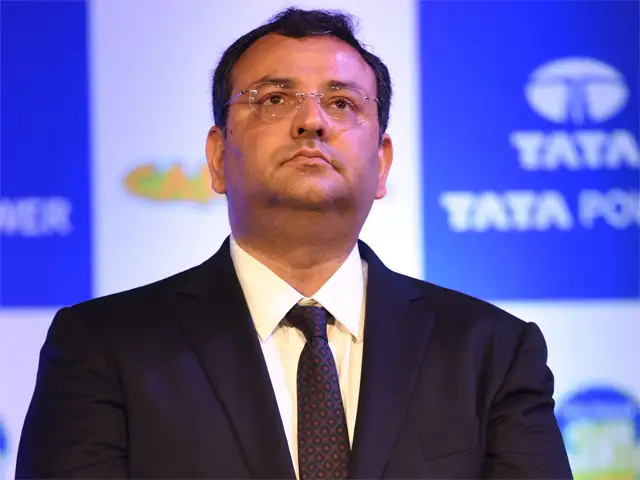
Tata Sons on Monday announced that its Board has replaced Cyrus P Mistry as Chairman of Tata Sons at a meeting held in Mumbai. An insider said, there was an inherent bureaucracy in the system that has gone unchallenged for years.
While Mistry, who would have completed four years at the helm in December, or any others from the group is yet to give out a reason behind this sudden decision, here are our guesses.

Poll
ADVERTISEMENT


