
Tesla Selloff Explained: Profit Pressure, Rising AI Costs and What's Next
1/5
Tesla suffers biggest post-earnings rout
Tesla shares plunged nearly 14% after the electric vehicle maker reported weaker-than-expected second-quarter earnings, with investors unnerved by shrinking profitability and mounting AI-related spending. The sharp selloff wiped out billions in market value and dragged broader technology stocks lower. (Sources: EBC Financial Group, The Guardian)

2/5
Profit misses estimates
Tesla's quarterly results disappointed Wall Street despite revenue coming in ahead of expectations. Earnings per share fell short of forecasts, while operating profit declined sharply due to rising costs and continued investments. The company also reported negative free cash flow for the first time in more than two years, highlighting the pressure on its financial performance.

3/5
AI ambitions weigh on margins
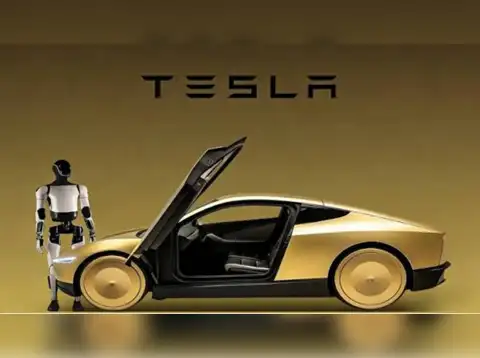
Tesla's aggressive push into artificial intelligence and autonomous technologies remained a key focus, but investors worried about the high costs associated with these initiatives. The company continues to invest heavily in its Robotaxi platform, Optimus humanoid robot, AI computing infrastructure and self-driving technologies. While management reaffirmed its long-term vision, the absence of clear timelines for returns kept investors cautious.
Amazon Top Deals
POWERED BY
4/5
Tech selloff gathers pace
Tesla's disappointing earnings added to a broader selloff in technology stocks, with investors growing increasingly concerned about soaring AI spending across the sector. Alphabet also came under pressure following its results, helping push the Nasdaq down more than 2%. The combined decline erased hundreds of billions of dollars in market value from the "Magnificent Seven" technology companies.

5/5
What investors will watch next
Going forward, investors will closely track the progress of Tesla's Robotaxi rollout, the commercialisation of its Optimus robot and any improvement in free cash flow and automotive margins. The company's long-term growth story remains closely tied to AI and autonomous driving, but markets are looking for stronger evidence that these investments can generate sustainable profits.