
SpaceX's next frontier: AI, growth and investor expectations
1/10
Historic IPO creates market frenzy
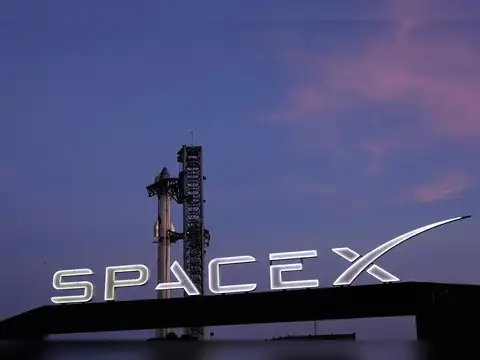
SpaceX made history with the largest IPO ever, raising nearly $75 billion before underwriters expanded the offering further. The stock rallied sharply after listing, briefly pushing the company's valuation close to the world's most valuable firms. Strong retail participation and fear of missing out (FOMO) fuelled aggressive buying, while analysts said the blockbuster debut has revived enthusiasm for mega technology listings, particularly those linked to AI and space.

2/10
Why are investors so excited?
Investors are no longer valuing SpaceX as just a rocket-launch company. Instead, the business is increasingly viewed as a diversified technology platform with exposure to commercial space launches, satellite internet, artificial intelligence infrastructure, defence technology and the future space economy. This broad growth narrative has helped justify premium valuations despite the company's relatively short history as a publicly traded stock.

3/10
AI becomes the new growth story
Artificial intelligence has emerged as one of the biggest reasons behind investor optimism. Recent reports suggest SpaceX has identified a $22.7 trillion long-term AI opportunity by combining its satellite network with next-generation computing infrastructure. As a result, many investors now believe AI could become an even bigger growth driver than the company's traditional rocket business over the coming years.
Amazon Top Deals
POWERED BY


4/10
Strategic acquisitions strengthen AI vision
SpaceX has been expanding its AI ambitions through strategic acquisitions and investments aimed at strengthening software development, computing infrastructure and artificial intelligence capabilities. These initiatives align with Elon Musk's broader vision of integrating aerospace, communications and AI into a single technology ecosystem. Supporters believe this strategy could create significant competitive advantages over the long term.
5/10
Why the stock pulled back
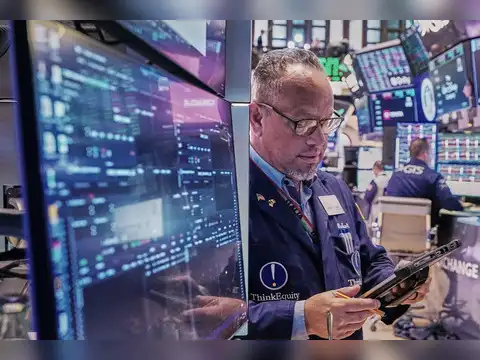
After a spectacular rally following the IPO, SpaceX shares experienced a pullback as investors booked profits. Analysts noted that such volatility is common after high-profile listings, especially when only a limited number of shares are available for trading. Despite the decline, the stock continues to trade comfortably above its IPO price, reflecting sustained investor interest.
6/10
Valuation debate intensifies
SpaceX's valuation has become one of the biggest talking points on Wall Street. Critics argue that the company is trading at exceptionally high multiples that are difficult to justify using traditional financial metrics. Supporters, however, believe investors are pricing in the company's future opportunities across AI, satellite communications and space technology rather than focusing solely on current earnings.
7/10
Should Tesla merge with SpaceX?
The idea of combining Tesla and SpaceX has sparked fresh debate among investors. Supporters believe a merger could create a powerful technology ecosystem by bringing together AI expertise, engineering talent and complementary businesses. However, critics point to governance challenges, valuation differences, shareholder dilution and operational complexities, making such a deal difficult to execute in practice.

8/10
Why some investors say 'don't short'
Several analysts advise investors against betting against SpaceX despite its rich valuation. They argue that the company continues to benefit from expanding AI initiatives, strong growth at Starlink, leadership in commercial space launches and recurring government contracts. Combined with strong retail demand and a limited public share float, these factors could continue supporting the stock even during periods of volatility.

9/10
Risks investors should watch
While the long-term outlook remains attractive, investors should remain mindful of several risks. These include an expensive valuation, significant share price volatility, execution challenges in expanding AI initiatives, regulatory uncertainty and the company's dependence on ambitious long-term projects. Any disappointment in these areas could lead to sharp market reactions.
10/10
The bottom line
SpaceX has evolved into a diversified technology company operating across aerospace, satellite communications and artificial intelligence. Although its IPO generated tremendous investor excitement, it also intensified the debate over whether current valuations are sustainable. The company's long-term success will depend on its ability to execute its AI strategy, maintain growth across its businesses and deliver results that justify investors' lofty expectations.