
New Rival in Town: Amazon challenges FedEx and UPS dominance
1/12
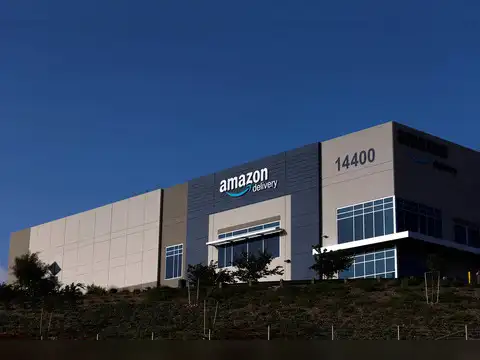
Amazon’s Big Move
Amazon has launched its new Supply Chain Services, opening its vast logistics network to businesses beyond its own marketplace. This marks a strategic shift from being a logistics user to becoming a full-service provider.
(Source: Reuters, CNBC, MarketWatch)
(Source: Reuters, CNBC, MarketWatch)
2/12
What the Service Includes
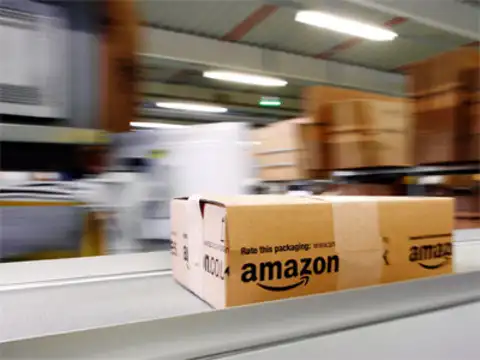
The offering provides end-to-end logistics solutions, including freight movement, warehousing, inventory management, fulfillment, and last-mile delivery. Businesses can now rely on Amazon for the entire supply chain cycle.
3/12
Speed as a Differentiator
Amazon is positioning speed as a key advantage, with delivery timelines ranging from two to five days. This leverages its already established infrastructure and logistics efficiency.
Amazon Top Deals
POWERED BY


4/12
Scale Advantage
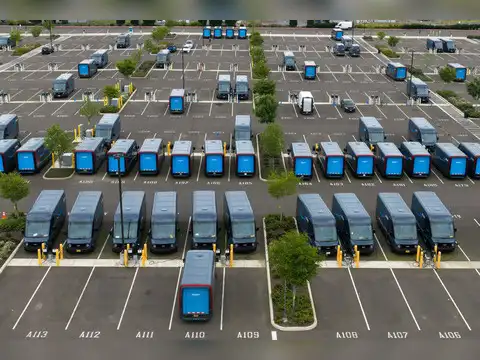
The company brings unmatched scale, supported by a fleet of cargo aircraft, an extensive warehouse network, and advanced technology systems. This infrastructure allows Amazon to operate at a level few competitors can match.
5/12
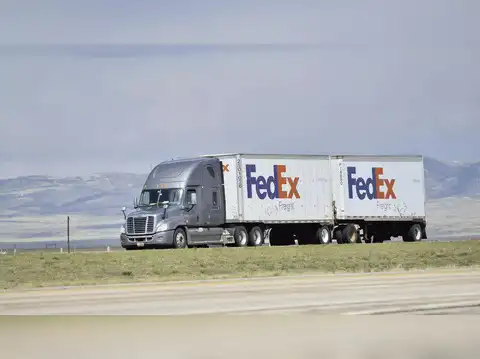
Market Reaction
Following the announcement, shares of major logistics companies declined sharply. FedEx and UPS saw significant drops, reflecting investor concerns about increased competition from Amazon.
6/12
Why Investors Are Concerned
Amazon’s entry poses a threat to the core business of traditional logistics firms, particularly in high-margin segments such as business shipping. The move signals potential disruption across parcel delivery, freight, and third-party logistics.
7/12
A Reality Check
Despite the excitement, analysts note that logistics is a highly complex and capital-intensive industry. Past attempts by Amazon to expand into new sectors have not always delivered immediate success.

8/12
AWS-Like Strategy
Amazon appears to be following a familiar strategy—building internal capabilities and then monetizing them externally. This approach mirrors the evolution of Amazon Web Services, which became a major profit driver.

9/12
Early Enterprise Adoption
Large corporations such as Procter & Gamble, 3M, and American Eagle have already started using the service. This suggests Amazon is targeting enterprise clients alongside smaller businesses.

10/12
Impact on the Industry
The move could reshape the logistics landscape by increasing competition and putting pressure on pricing. It may also accelerate the shift toward fully integrated supply chain solutions.

11/12
Long-Term Outlook
While the opportunity is significant, success will depend on execution, scalability, and market acceptance. Regulatory challenges and industry resistance could also influence the pace of growth.
12/12
Key Takeaway
Amazon’s expansion into third-party logistics positions it as a direct competitor to established players. While disruptive, the journey to dominance in this space may take time and face several hurdles.