
Moderna’s Cancer Vaccine Breakthrough: What It Means for the Stock

1/10
Moderna’s mRNA cancer vaccine clears major hurdle
Moderna and Merck’s personalised mRNA cancer vaccine has delivered positive results in a late-stage trial for melanoma, marking a major milestone for the technology beyond COVID-19 vaccines. The development sent Moderna shares sharply higher as investors reassessed the company’s long-term growth prospects. (Sources: CNBC, Reuters, Yahoo Finance)

2/10
What did the trial show?
The Phase 3 INTerpath-001 trial tested intismeran autogene, Moderna’s personalised mRNA cancer vaccine, in combination with Merck’s blockbuster immunotherapy Keytruda. The treatment met its main goal of improving recurrence-free survival and also achieved a key secondary goal involving distant metastasis-free survival.

3/10
More than 1,100 melanoma patients studied
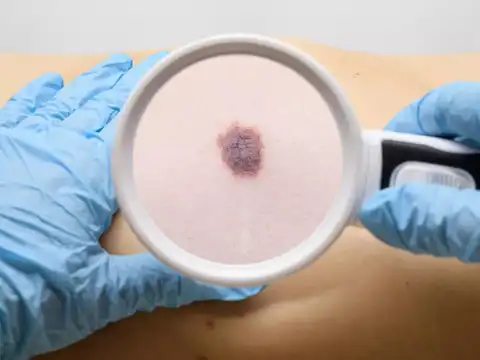
The trial included 1,137 patients with surgically removed, high-risk stage IIB-IV melanoma. Patients received either Keytruda alone or Keytruda combined with the personalised mRNA vaccine. The combination was designed to reduce the chances of the cancer returning or spreading to other parts of the body.
Amazon Top Deals
POWERED BY

Crompton Ozone 75 Litres Desert Air Cooler for home | Large & Easy Clean Ice Chamber | 4-Way Air Deflection | High Density Honeycomb Pads | Everlast Pump | Auto Fill| 3 Year Brand Warranty
₹9,798Buy Now43%
OFF

atomberg Studio Smart+ 1200mm BLDC Ceiling Fan with IoT & Remote | BEE 5 star Rated Energy Efficient Ceiling Fan | High Air Delivery with LED Indicators | 3 Year Warranty (Earth Brown)
₹5,882Buy Now36%
OFF

LG 32 L Convection Microwave Oven (MC3286BRUM, Black, 360° Motorised Rotisserie for Bar-be-queing, 301 Auto Cook Menu, Stainless steel cavity, Indian Cuisine, Tandoor Se, Steam Clean & Diet Fry)
₹19,090Buy Now20%
OFF

4/10
How does the personalised vaccine work?
Unlike conventional vaccines that target a common pathogen, intismeran is custom-made for an individual patient. The vaccine uses mRNA to train the immune system to recognise specific mutations, or neoantigens, found in that patient’s tumour. The aim is to help the immune system identify and attack remaining cancer cells after surgery.

5/10
Earlier data showed strong efficacy
Earlier results from the programme had indicated that the combination of the vaccine and Keytruda reduced the risk of recurrence or death by 49% and the risk of distant metastasis or death by 59%, compared with Keytruda alone. The latest Phase 3 results provide more important validation because they confirm statistically significant benefits in a late-stage trial.

6/10
Moderna stock explodes higher
The breakthrough triggered a massive rally in Moderna shares. The stock surged more than 100%, with Reuters reporting that it rose as much as 160% during the session. The sharp rally reflected investor expectations that Moderna could become a significant player in oncology rather than remaining primarily associated with COVID-19 vaccines.
7/10
Merck and other mRNA stocks also benefit
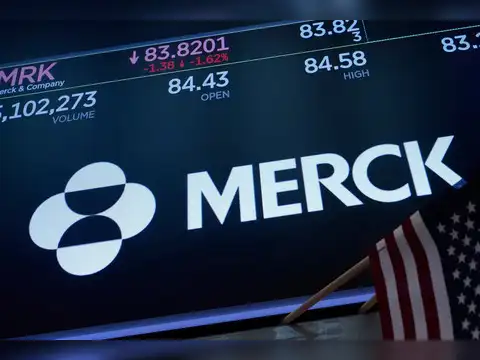
Merck shares also jumped sharply following the announcement, rising about 12% and reaching a record high, according to Reuters. The news also lifted other companies involved in mRNA and cancer-vaccine research as investors reassessed the potential of personalised mRNA treatments.
8/10
The bigger opportunity: beyond melanoma
The potential opportunity extends beyond skin cancer. Moderna and Merck are studying the personalised mRNA technology in other cancers, including lung, bladder and kidney cancers. Success across multiple tumour types could significantly expand the commercial opportunity for the technology.

9/10
What investors should watch next
Investors will now focus on the detailed Phase 3 efficacy and safety data, regulatory discussions and potential approval timelines. Pricing and manufacturing costs for personalised vaccines will also be important, along with results from trials targeting other cancers. These factors will determine how much of the recent optimism can translate into long-term revenue growth.

10/10
Bottom line
Moderna’s cancer-vaccine breakthrough could mark a turning point for the company and for personalised mRNA medicine. The Phase 3 success provides strong clinical validation for using personalised mRNA technology against cancer. For investors, the key question now is whether the melanoma success can be replicated across other cancers and translated into a commercially viable oncology business.