
Beyond China: Nvidia bets big on the global AI boom
1/10
Nvidia’s China Shock & The Bigger AI Reality
Nvidia’s sudden exit from China marks a turning point in the global AI race. As geopolitical tensions reshape technology markets, CEO Jensen Huang’s warning highlights a deeper shift—one that could redefine innovation, competition, and the balance of power in artificial intelligence. (Sources: TradingView, Yahoo Finance, TheStreet, Motley Fool, TechCrunch)
2/10
The Big Shock
Nvidia has witnessed a dramatic collapse in its China business, with CEO Jensen Huang confirming that the company now holds virtually zero market share in the country. This is a sharp reversal from its earlier dominance of nearly 95% in China’s AI chip market, making it one of the most striking pullbacks by a global tech leader.
3/10
What Caused the Collapse?
The collapse has largely been driven by U.S. export restrictions that prevent Nvidia from selling its most advanced AI chips to Chinese customers. These regulatory constraints made its offerings less competitive, while Chinese companies quickly shifted to domestic alternatives. As a result, Nvidia has effectively lost access to one of the world’s largest AI markets.
Amazon Top Deals
POWERED BY

4/10
Huang’s Stark Warning
Jensen Huang has cautioned that these restrictions may have unintended consequences. He believes such policies could backfire by weakening the global position of the U.S. AI ecosystem, while accelerating the development of a parallel AI ecosystem in China. This fragmentation could reshape the competitive landscape of global technology.

5/10
China’s Rising Competition
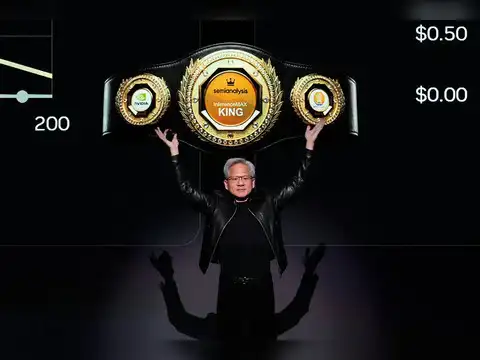
In Nvidia’s absence, Chinese technology firms are rapidly stepping up. Companies like Huawei are making significant progress in developing domestic AI chips and infrastructure, supported by a broader push toward semiconductor self-reliance. Nvidia’s exit may, in fact, be accelerating innovation within China’s tech ecosystem
6/10
The Bigger Problem in China
Beyond chip restrictions, Nvidia faces a broader set of challenges in China, including regulatory hurdles, geopolitical tensions, and intensifying local competition. The Chinese market was once a key contributor to Nvidia’s growth, and losing it raises concerns about the company’s long-term expansion strategy.

7/10
Not All Negative – AI Boom Continues
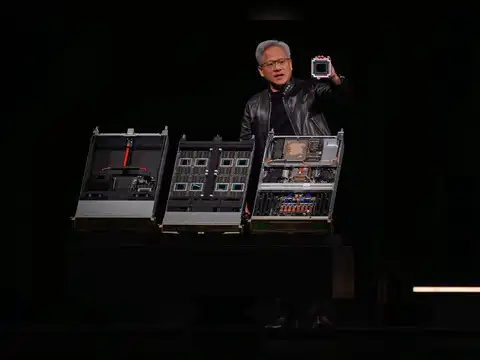
Despite setbacks in China, Nvidia continues to benefit from the global surge in demand for AI technologies. Data centres, enterprises, and governments worldwide are investing heavily in AI infrastructure, positioning Nvidia to capitalise on a massive and expanding opportunity outside China.

8/10
AI & Jobs – Huang’s Perspective
Addressing concerns about job losses due to AI, Huang has emphasised that artificial intelligence is creating far more opportunities than it is eliminating. He argues that AI will enhance productivity, give rise to new industries, and generate demand for skilled workers across sectors.
9/10
Strategic Pivot
In response to these challenges, Nvidia is shifting its focus towards other high-growth regions such as the United States, India, and the Middle East. The company is also exploring alternative ways to engage with China, including opportunities in automotive AI and smart vehicle technologies, where restrictions may be less stringent.

10/10
Key Takeaways
Nvidia’s situation highlights how geopolitics is increasingly shaping the global technology landscape. While the company faces short-term challenges in China, the broader AI boom remains intact. The key risks lie in a fragmented global AI ecosystem, while the biggest opportunity continues to be the transformative power of AI across industries.