
Whirlpool stock crashes after weak outlook and price hike warning

1/7
Whirlpool Stock Crashes After Earnings Shock
Whirlpool shares tumbled nearly 17% in after-hours trading after the company delivered disappointing quarterly results and significantly lowered its full-year guidance. Investors reacted negatively to worsening demand conditions and signs that the appliance industry slowdown is becoming deeper than previously expected.
The company also suspended its dividend as part of efforts to strengthen its balance sheet and reduce debt, a move that reinforced concerns about the challenging operating environment facing the business. (Sources: WSJ, Investing.com)
The company also suspended its dividend as part of efforts to strengthen its balance sheet and reduce debt, a move that reinforced concerns about the challenging operating environment facing the business. (Sources: WSJ, Investing.com)

2/7
Guidance Slashed Amid Weak Consumer Demand
Whirlpool sharply reduced its earnings forecast for 2026, cutting guidance to nearly half of earlier expectations. Management described the current environment as resembling recession-like conditions, with consumers delaying purchases of large household appliances amid economic uncertainty.
Higher living costs, weaker discretionary spending, and cautious consumer sentiment have reduced demand for premium appliances. The slowdown has also intensified due to a softer housing market, which traditionally supports appliance sales growth.
Higher living costs, weaker discretionary spending, and cautious consumer sentiment have reduced demand for premium appliances. The slowdown has also intensified due to a softer housing market, which traditionally supports appliance sales growth.

3/7
Iran War Creates Fresh Inflation Pressures
According to the company, the ongoing Iran conflict has worsened inflationary pressures across the economy, especially through higher fuel and logistics costs. Whirlpool said these developments have negatively affected consumer confidence and purchasing decisions.
As energy prices rise and household budgets remain under pressure, customers are increasingly prioritising essential spending while postponing major appliance upgrades and renovations.
As energy prices rise and household budgets remain under pressure, customers are increasingly prioritising essential spending while postponing major appliance upgrades and renovations.
Amazon Top Deals
POWERED BY

Crompton Ozone 75 Litres Desert Air Cooler for home | Large & Easy Clean Ice Chamber | 4-Way Air Deflection | High Density Honeycomb Pads | Everlast Pump | Auto Fill| 3 Year Brand Warranty
₹9,798Buy Now43%
OFF
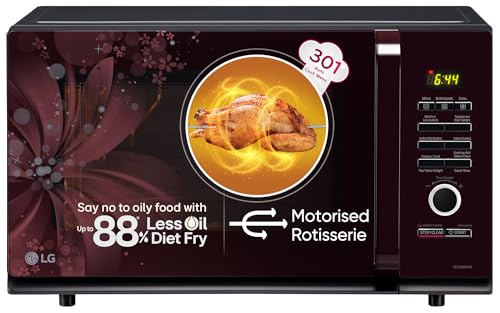
LG 32 L Convection Microwave Oven (MC3286BRUM, Black, 360° Motorised Rotisserie for Bar-be-queing, 301 Auto Cook Menu, Stainless steel cavity, Indian Cuisine, Tandoor Se, Steam Clean & Diet Fry)
₹19,340Buy Now19%
OFF
4/7
Whirlpool Plans More Appliance Price Hikes
To offset rising input and operating costs, Whirlpool plans to increase appliance prices by roughly 4% beginning in July. The company indicated that several industry competitors are also implementing similar pricing actions to protect profitability.
Management believes higher pricing may eventually help stabilise margins, though there is also a risk that further price increases could weaken demand even more in an already fragile market environment.
Management believes higher pricing may eventually help stabilise margins, though there is also a risk that further price increases could weaken demand even more in an already fragile market environment.

5/7
Tariff Changes Add Another Layer of Uncertainty
Whirlpool also highlighted growing uncertainty surrounding US tariff policies. The company said pricing competition intensified after earlier emergency tariffs were invalidated, leading some competitors to reduce prices aggressively.
At the same time, Whirlpool expects newly introduced tariffs on imported appliances to benefit domestic manufacturers over the longer term. Since a large portion of Whirlpool’s products sold in the US are manufactured domestically, the company believes it may gain a competitive advantage if imports become more expensive.
At the same time, Whirlpool expects newly introduced tariffs on imported appliances to benefit domestic manufacturers over the longer term. Since a large portion of Whirlpool’s products sold in the US are manufactured domestically, the company believes it may gain a competitive advantage if imports become more expensive.

6/7
Analysts Grow Increasingly Cautious
Analysts had already turned cautious on Whirlpool ahead of earnings as demand trends weakened and estimates continued to fall. Concerns around inflation, housing weakness, and consumer spending pressures had pushed the stock lower even before the earnings announcement.
Following the latest guidance cut, several brokerages lowered their price targets further, reflecting concerns that a recovery in appliance demand may take longer than previously expected.
Following the latest guidance cut, several brokerages lowered their price targets further, reflecting concerns that a recovery in appliance demand may take longer than previously expected.

7/7
Key Takeaways
Whirlpool’s latest earnings report highlighted the growing challenges facing the global appliance industry. Weak consumer demand, inflation linked to geopolitical tensions, higher operating costs, and policy uncertainty have all combined to pressure profitability and investor sentiment.
While the company hopes that price increases and tariff support will help stabilise margins over time, the near-term outlook remains difficult as consumers continue to cut back on discretionary purchases amid broader economic uncertainty.
While the company hopes that price increases and tariff support will help stabilise margins over time, the near-term outlook remains difficult as consumers continue to cut back on discretionary purchases amid broader economic uncertainty.