These two cognitive biases are an investor's worst enemies
This is not exactly ground-breaking, but internalizing this can help financial planners determine which clients could be at risk for making investing mistakes.
By Business Insider | Updated:

By Elena Holodny
FA Insights is a daily newsletter from Business Insider that delivers the top news and commentary for financial advisors.
These two things are an investor's greatest enemies (University of Missouri News Bureau)
University of Missouri associate professor Rui Yao analyzed data from the 2008 FPA-Ameriprise Financial Value of Financial Planning Research Study and found that overconfidence and loss aversion are key factors causing people to make investment mistakes.
For most people, this is not exactly ground-breaking news. However, internalizing this can help financial planners determine which clients could be at risk for making investing mistakes.
"During a down market, every mistake an investor makes is magnified," Yao said. "If financial planners can identify those who are more at risk to make these mistakes, they can more effectively work with the investors beforehand to help prevent them from making such mistakes."
"For many investors the response is: So what? Manufacturing is a relatively small portion of the overall economy, they say. The much more important consumer sector is holding up, with households continuing to spend at a decent, if uninspiring pace," wrote BlackRock's Russ Koesterich.
"All true, but a rebound in corporate profits is much less likely in the context of falling industrial production. Put differently, falling industrial production is not necessarily indicative of an economic recession, but in the past it has been consistent with a profits recession."
Charles Schwab is taking mutual funds with sales loads off its shelves in light of the new DOL fiduciary rule, reports Jeff Benjamin.
"We won't create a platform that disintermediates the financial advisor," said Scott Curtis, president of Raymond James Financial Services, the independent arm of the financial advisory firm. "Direct-to-consumer is not our model."
The founders of Sullivan, Bruyette, Speros & Blayney (SBSB) just brought ownership of the $2.8-billion firm back to Virginia after selling the RIA to the Bank of Montreal 13 years ago.
While it may seem unusual for an RIA to spin away from a successful relationship, Sanders Wommack details a few reasons why the firm may have wanted to go solo, including that the partnership "jeopardized plans to ramp up growth," and that independence allows for greater flexibility with the compensation structure.
FA Insights is a daily newsletter from Business Insider that delivers the top news and commentary for financial advisors.
These two things are an investor's greatest enemies (University of Missouri News Bureau)
University of Missouri associate professor Rui Yao analyzed data from the 2008 FPA-Ameriprise Financial Value of Financial Planning Research Study and found that overconfidence and loss aversion are key factors causing people to make investment mistakes.
For most people, this is not exactly ground-breaking news. However, internalizing this can help financial planners determine which clients could be at risk for making investing mistakes.
"During a down market, every mistake an investor makes is magnified," Yao said. "If financial planners can identify those who are more at risk to make these mistakes, they can more effectively work with the investors beforehand to help prevent them from making such mistakes."
ADVERTISEMENT
Stocks have bounced back since February and the broad US economy continues to grow, which suggests that the US isn't on the precipice of a recession. However, the manufacturing sector hasn't recovered yet - and investors would be wise to pay attention. "For many investors the response is: So what? Manufacturing is a relatively small portion of the overall economy, they say. The much more important consumer sector is holding up, with households continuing to spend at a decent, if uninspiring pace," wrote BlackRock's Russ Koesterich.
"All true, but a rebound in corporate profits is much less likely in the context of falling industrial production. Put differently, falling industrial production is not necessarily indicative of an economic recession, but in the past it has been consistent with a profits recession."
Charles Schwab is taking mutual funds with sales loads off its shelves in light of the new DOL fiduciary rule, reports Jeff Benjamin.
ADVERTISEMENT
"We expect more firms to look to no-load options for investors as advisers and their clients become more cost-conscious," Todd Rosenbluth, director of mutual fund and ETF research at S&P Capital IQ told Benjamin. "With advisers increasingly using lower-cost passive strategies in fee-based accounts, assets have been moving out of many mutual funds with sales loads. The pending Department of Labor rules will accelerate this trend." "We won't create a platform that disintermediates the financial advisor," said Scott Curtis, president of Raymond James Financial Services, the independent arm of the financial advisory firm. "Direct-to-consumer is not our model."
ADVERTISEMENT
But, notably, Curtis added that if robo-type services would help Raymond James comply with the new DOL rule, then the firm "certainly will explore" the option, reports Charles Paikert. The founders of Sullivan, Bruyette, Speros & Blayney (SBSB) just brought ownership of the $2.8-billion firm back to Virginia after selling the RIA to the Bank of Montreal 13 years ago.
While it may seem unusual for an RIA to spin away from a successful relationship, Sanders Wommack details a few reasons why the firm may have wanted to go solo, including that the partnership "jeopardized plans to ramp up growth," and that independence allows for greater flexibility with the compensation structure.
Too busy to trade in stocks? Invest in Mutual Funds with ET Money!
Bookmark or read stories offline -
Download ET Markets APP
Download ET Markets APP

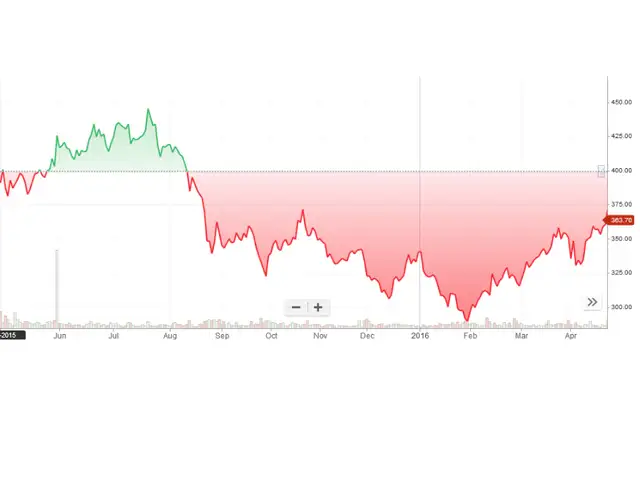
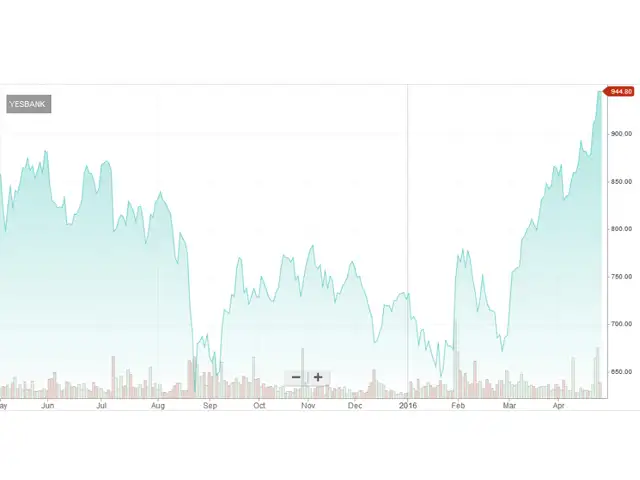
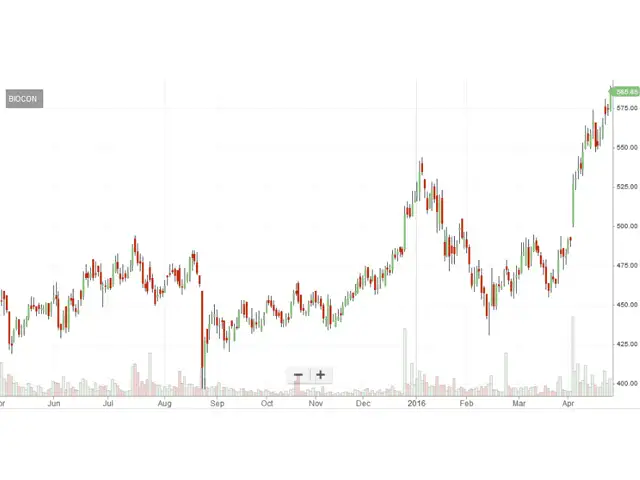
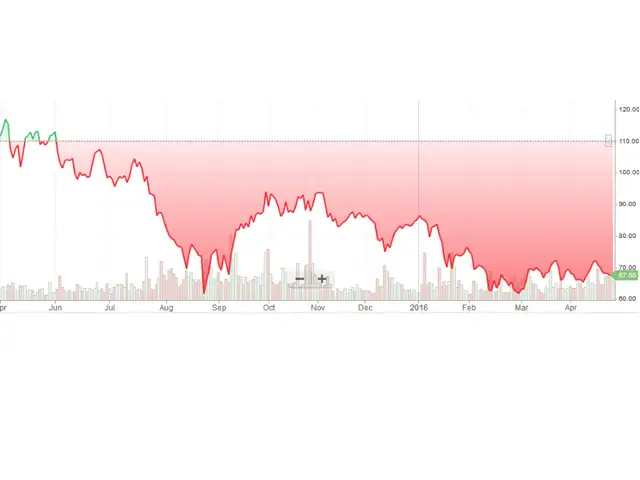
March quarter earnings of India Inc kicked off on a promising note, but soon negative surprises have somewhat eclipsed the feel-good factor.
This lead to re-rating of several leading stocks by top brokerage firms.
Here is glimpse of how latest earnings numbers have made or marred prospects of popular stocks.