Ravi Narain steps down as NSE vice-chairman
NSE sources said Narain is keen to ensure his presence is not a hurdle and that the board is able to take independent decisions on the co-location issue.
By Reena Zachariah, ET Bureau |

MUMBAI: Ravi Narain, one of the founding members of National Stock Exchange, quit as vice-chairman and board member amid a probe by Securities and Exchange Board of India into allegations of preferential access to some brokers to its trading platform. Narain sent his resignation to NSE chairman Ashok Chawla on Thursday night.
His resignation comes after the capital markets regulator issued a show-cause notice last week to the exchange and 14 officials, including Narain, over the findings of a Sebi panel and the report of a forensic probe by Deloitte on the co-location and algorithmic trades issues. They have been given three weeks to respond.
The NSE board will meet next week to consider Narain’s resignation and discuss issues related to the case.
NSE sources said Narain is keen to ensure his presence is not a hurdle and that the board is able to take independent decisions on the co-location issue.
This is the second high-profile exit from the exchange in six months after Chitra Ramkrishna quit as CEO on December 2.
The latest departure marks the end of an era for the founding members Narain and Ramkrishna, who were part of the team that set up NSE in the early 90s.

A Sebi investigation report had concluded that the exchange granted preferential access to some stock brokers to its servers, making it possible for them to log into multiple servers through multiple Internet protocols assigned to them. The events took place between December 10, 2012, and May 30, 2014. The findings pertained to the period when Narain was the MD and CEO of NSE.
"Sebi's show-cause notice to Narain says that since he was at the helm when this happened, he must explain why action should not be taken against him," said a person aware of the notice's contents.
"Sebi has informally advised the NSE board that Narain's continuance is not good governance considering that he is participating in the discussions on the allegations pertaining to algorithm and co-location issues," said a person familiar with the development.
Three weeks ago, an NSE board member had told ET that Narain was not part of the investigation process. "The board has reconstituted the audit committee (which is overseeing the probe) and Narain is not part of it," the member had said.
Based on the findings of its panel, the regulator asked the new NSE board to conduct a forensic audit and fix accountability.
The board then appointed Deloitte to conduct a forensic inquiry. The Deloitte report, submitted to Sebi on December 23, 2016, too found that the exchange's tick-by-tick system was prone to manipulation and reiterated the findings by the Sebi panel on some stock brokers obtaining preferential access to servers.
In the interim period, Sebi asked NSE to set aside all revenues emanating from the colocation facility in an escrow account.
"Deloitte had carried out an audit of the equity derivatives segment. Sebi has now asked NSE to carry out an audit of the cash and forex segments, which is currently being done by EY. The report is expected shortly. NSE will submit the report to Sebi and do whatever is required in consultation with the regulator," said another person familiar with the development.
Even the government had voiced concern. Speaking in Parliament on December 9 last year, minister of state for finance Arjun Meghwal said: "The architecture of NSE with respect to dissemination of Tick-by-Tick through Transmission Control Protocol (TCP) or Internet Protocol (IP) was prone to manipulation or market abuse."
After Narain quit as MD and CEO of NSE at end of March 2013, the exchange proposed appointing him as a public interest director and vice-chairman, a position specially created for him.
Sebi received a lot of complaints against the proposal. There was a lot of debate even within Sebi, and the regulator was reluctant to allow his appointment as a public interest director. NSE then changed the designation to shareholder director and vicechairman, which Sebi finally agreed to.
"In this case, stepping down was the right thing to do, till the time final action is taken — finding him guilty or exonerating him. He would be free to rejoin if exonerated in the quasi judicial proceeding," said Sandeep Parekh, partner at Finsec Law Advisors and former executive director of Sebi.
His resignation comes after the capital markets regulator issued a show-cause notice last week to the exchange and 14 officials, including Narain, over the findings of a Sebi panel and the report of a forensic probe by Deloitte on the co-location and algorithmic trades issues. They have been given three weeks to respond.
The NSE board will meet next week to consider Narain’s resignation and discuss issues related to the case.
NSE sources said Narain is keen to ensure his presence is not a hurdle and that the board is able to take independent decisions on the co-location issue.
This is the second high-profile exit from the exchange in six months after Chitra Ramkrishna quit as CEO on December 2.
The latest departure marks the end of an era for the founding members Narain and Ramkrishna, who were part of the team that set up NSE in the early 90s.
ADVERTISEMENT
A Sebi investigation report had concluded that the exchange granted preferential access to some stock brokers to its servers, making it possible for them to log into multiple servers through multiple Internet protocols assigned to them. The events took place between December 10, 2012, and May 30, 2014. The findings pertained to the period when Narain was the MD and CEO of NSE.
"Sebi's show-cause notice to Narain says that since he was at the helm when this happened, he must explain why action should not be taken against him," said a person aware of the notice's contents.
"Sebi has informally advised the NSE board that Narain's continuance is not good governance considering that he is participating in the discussions on the allegations pertaining to algorithm and co-location issues," said a person familiar with the development.
ADVERTISEMENT
"The regulator wants the NSE board to look into this as there is a clear conflict of interest," said a person familiar with the development. "If the matter has to be concluded in a fair manner, he has to step down from the board," the person added.Three weeks ago, an NSE board member had told ET that Narain was not part of the investigation process. "The board has reconstituted the audit committee (which is overseeing the probe) and Narain is not part of it," the member had said.
ADVERTISEMENT
In 2016, after Sebi's technical advisory committee submitted its report to the regulator, NSE inducted public interest directors on its board. They include Ashok Chawla, former finance secretary, Naved Masood, former secretary in the ministry of corporate affairs, TV Mohandas Pai, chairman of Manipal Global Education Services, Dinesh Kanabar, former deputy CEO of KPMG in India, and Dharmishta Raval, former Sebi executive director.Based on the findings of its panel, the regulator asked the new NSE board to conduct a forensic audit and fix accountability.
The board then appointed Deloitte to conduct a forensic inquiry. The Deloitte report, submitted to Sebi on December 23, 2016, too found that the exchange's tick-by-tick system was prone to manipulation and reiterated the findings by the Sebi panel on some stock brokers obtaining preferential access to servers.
In the interim period, Sebi asked NSE to set aside all revenues emanating from the colocation facility in an escrow account.
"Deloitte had carried out an audit of the equity derivatives segment. Sebi has now asked NSE to carry out an audit of the cash and forex segments, which is currently being done by EY. The report is expected shortly. NSE will submit the report to Sebi and do whatever is required in consultation with the regulator," said another person familiar with the development.
Even the government had voiced concern. Speaking in Parliament on December 9 last year, minister of state for finance Arjun Meghwal said: "The architecture of NSE with respect to dissemination of Tick-by-Tick through Transmission Control Protocol (TCP) or Internet Protocol (IP) was prone to manipulation or market abuse."
After Narain quit as MD and CEO of NSE at end of March 2013, the exchange proposed appointing him as a public interest director and vice-chairman, a position specially created for him.
Sebi received a lot of complaints against the proposal. There was a lot of debate even within Sebi, and the regulator was reluctant to allow his appointment as a public interest director. NSE then changed the designation to shareholder director and vicechairman, which Sebi finally agreed to.
"In this case, stepping down was the right thing to do, till the time final action is taken — finding him guilty or exonerating him. He would be free to rejoin if exonerated in the quasi judicial proceeding," said Sandeep Parekh, partner at Finsec Law Advisors and former executive director of Sebi.
Too busy to trade in stocks? Invest in Mutual Funds with ET Money!
Bookmark or read stories offline -
Download ET Markets APP
Download ET Markets APP
Related Articles
 Sebi drops charges against NSE, Chitra Ramkrishna, Ravi Narain & other officials in co-location case2024-09-14T13:35:59Z
- Sebi disposes charges against NSE, Ravi Narain, Chitra Ramakrishna, others in co-location case citing absence of evidence2024-09-13T13:06:06Z
- NSE phone tapping case: ED files chargesheet against ex-Chief Chitra Ramakrishna, Ravi Narain2022-09-09T11:36:43Z

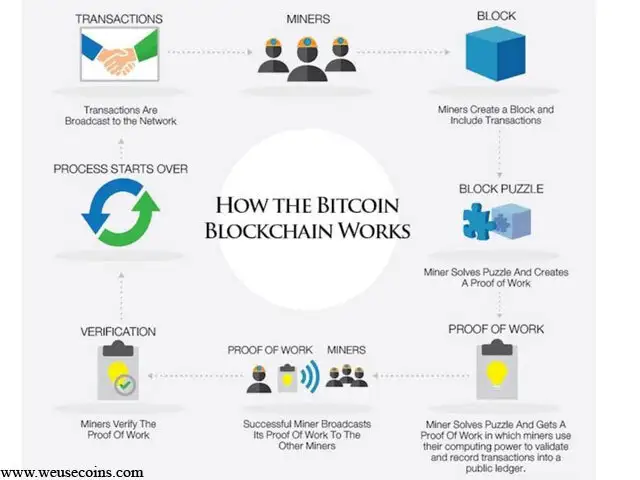
Bitcoin, the first decentralized digital currency, recently made news when it became the choice of currency for the cyber attackers who crippled computer networks around the world. After which, the value of the currency shot up and now stands at Rs 1,56,452.46 to even exceed the price of gold!
Here’s a look at the digital currency and what it means to investors








ADVERTISEMENT


