Most poll participants are more sanguine about market prospects by December.
By ET Bureau | Updated:
Getty Images
With the budget disappointing, there’s little reason for the market to go up.
Indian markets are likely to see a spillover of Saturday’s budget day blues into the new week and thereafter as the perceived lack of measures to stimulate the economy appears to have dashed investor hopes of a rapid economic recovery.
The Sensex and Nifty could drop by 3-5 per cent in a month, according to the majority of those polled in an ET survey of 22 money managers and heads of research at various brokerages conducted after the budget. Besides, China’s coronavirus outbreak continues to cast a shadow on the global markets.
Most poll participants are more sanguine about market prospects by December, with 45 per cent of them forecasting the Nifty at 13,000 at year-end, about 11 per cent above Saturday’s close of 11,662 points.
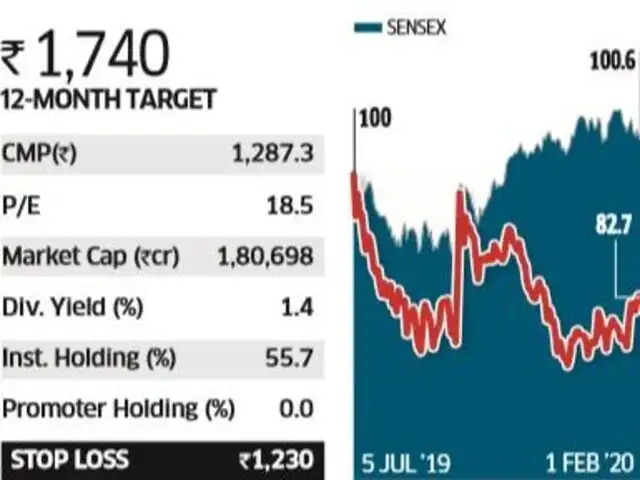
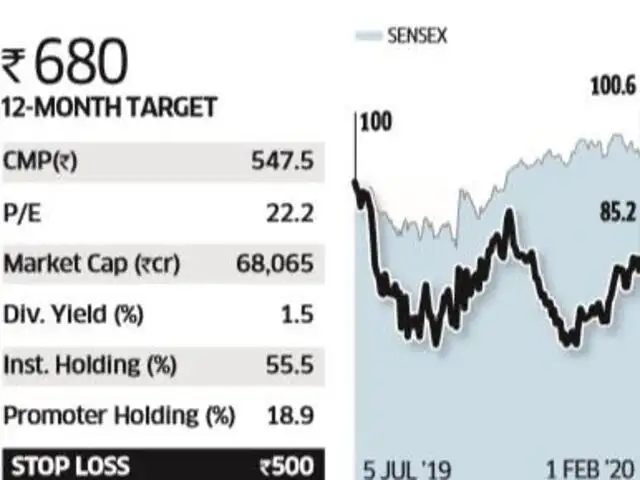
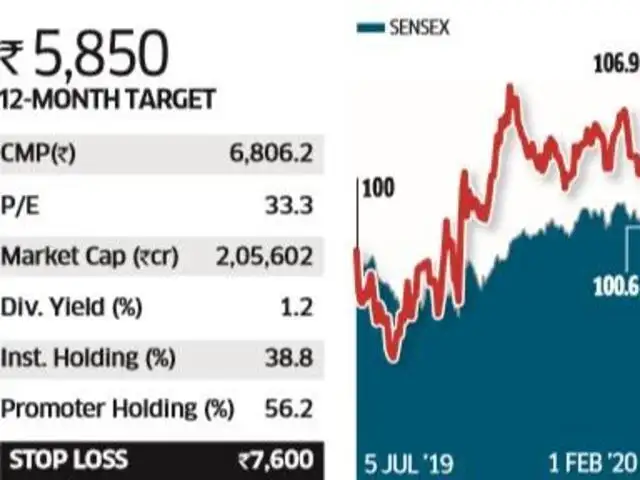
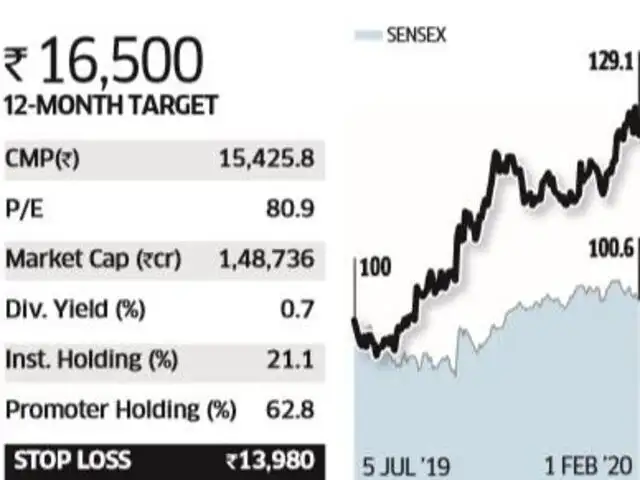
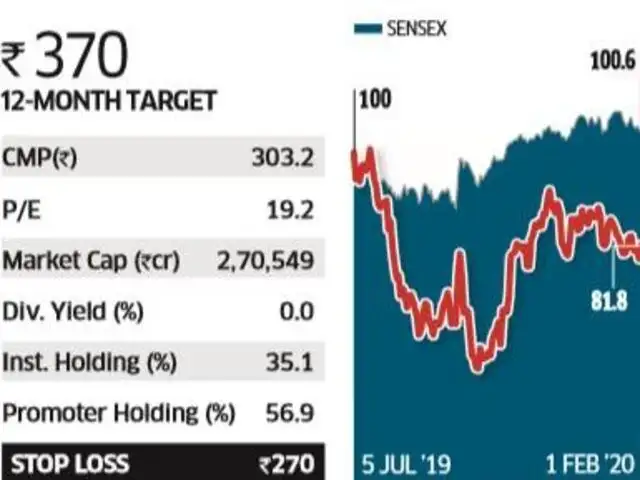
Bharti Airtel, ICICI Bank, Infosys, Larsen & Toubro and State Bank of India are the top largecap picks of money managers. Among mid and smallcaps, they are bullish on Bata India, Kalpataru Power, Repco Home Finance, Siemens and Supreme Industries.
The special session on Saturday saw benchmark indices posting their biggest budget day decline in a decade. Apart from the apparent lack of stimulus measures, the budget also left long-term capital gains tax on equities untouched. It had been widely expected that this would be scrapped. Monday’s session may see the market fall as much as 1-2 per cent in extension of the slump on budget day.
Attention will also be on the Chinese markets, which are reopening after the Lunar New Year break that was extended on account of the coronavirus outbreak. There will also be wider participation from foreign investors in the local markets compared with Saturday. Finance minister Nirmala Sitharaman had pointed out that not all sections were present in the market on Saturday, usually a holiday.
ADVERTISEMENT
The ET poll showed 67 per cent expect the benchmarks to fall in the next month with the budget failing to strike a bullish tone with market participants. Nearly half those polled rated the budget five on a scale of one to 10. Around 17 per cent rated it four, 12 per cent gave it six and 17 per cent rated it seven. The disappointment was reflected in benchmark indices — the Sensex dropped nearly 1,000 points, or 2.4 per cent, to 39,735.53 and the Nifty declined 318 points, or 2.7 per cent, to 11,643.80, eroding Rs 3.5 lakh crore of investor wealth.
“The global market trend, particularly in emerging markets, is nervous due to the economic impact caused by the spread of coronavirus. The budget has only aggravated the selloff further,” said Rajat Rajgarhia, CEO of Motilal Oswal Institutional Equities. “The markets were expecting more consumption boost in the budget. Shifting the incidence of DDT (dividend distribution tax) from companies to individuals will see a rise in taxation for promoters. LTCG (long-term capital gains) withdrawal was widely expected.”
‘NOT ENOUGH MEASURES’ About 78 per cent said the budget did not have enough measures to revive the economy. Economic growth in the September quarter had fallen to a six-year low of 4.5 per cent.
ADVERTISEMENT
“Markets are disappointed that the budget did not have enough measures to stir up the economy or select crucial sectors — that was the need of the hour,” said Mahesh Patil, CIO (equity) at Aditya Birla Sun Life Mutual Fund.
With the budget disappointing, there’s little reason for the market to go up. Indian stock indices had hit record highs in January in anticipation of stimulus measures, but this sentiment was overtaken by fears of China’s growth getting hit by the coronavirus outbreak. The Nifty fell 1.7 per cent in January and has retreated 6.2 per cent from its all-time high of 12,430.50 on January 20.
ADVERTISEMENT
“Economic recovery will now happen on its own as there is no acceleration or impetus from the budget and hence there is no immediate trigger for the markets to move up,” said Rahul Singh, CIO (equities) at Tata Mutual Fund. “Select value stocks where there is a high dividend yield can benefit.”
Money managers believe that China coronavirus-related developments will be the key guide going forward.
“With no triggers now, markets will be driven by weak global factors, especially what is happening in China,” said Patil of Aditya Birla Sun Life MF.
By the year end, money managers see some improvement in the market — 45 per cent see the Nifty at 13,000 by December 2020. Another 9 per cent see the index at 13,200 by then and about 18 per cent expect the Nifty to rise above 13,500.
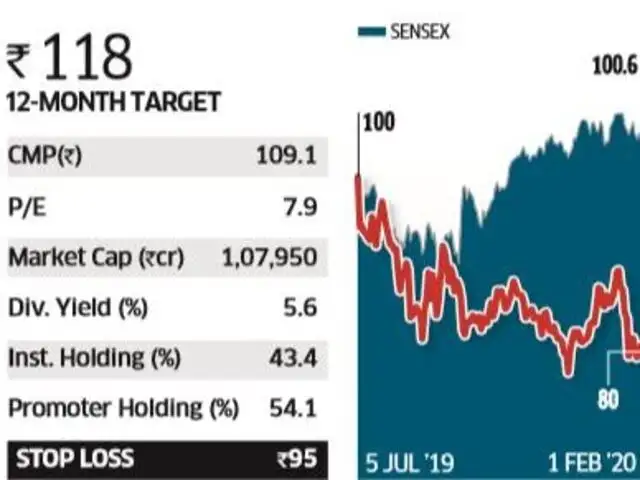
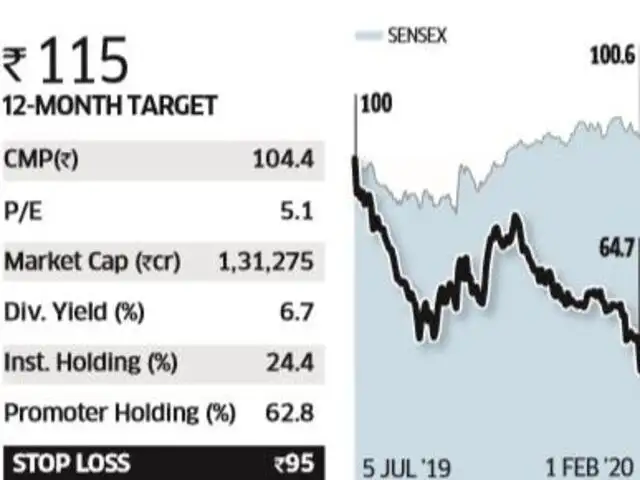
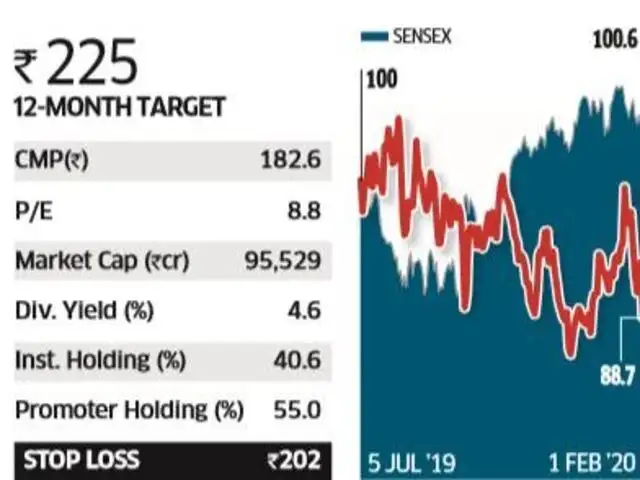
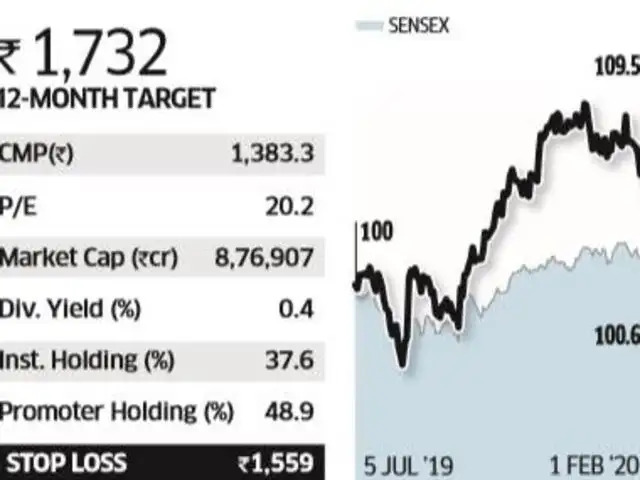
Budget impact: How Sensex stocks may perform over next 1 year
1/31
Shifting payment of dividend distribution tax (DDT) from companies to investors, full tax benefit to sovereign funds investing in infra projects and a thrust on rural consumption failed to enthuse markets.
ICICI Securities projects how Sensex stocks may perform over the next one year:
Shifting payment of dividend distribution tax (DDT) from companies to investors, full tax benefit to sovereign funds investing in infra projects and a thrust on rural consumption failed to enthuse ma..
Read More
Revitalising its commitment towards Rs 102 lakh crore National Infrastructure Plan (NIP), the government has increased capital expenditure allocation by 18% to Rs 4.12 lakh crore for FY21, which is likely to create tendering opportunities for L&T. A push for rural infra bodes well.
Revitalising its commitment towards Rs 102 lakh crore National Infrastructure Plan (NIP), the government has increased capital expenditure allocation by 18% to Rs 4.12 lakh crore for FY21, which is l..
Read More
Allocation of Rs 1.8 lakh crore towards agriculture and allied activities to support under-penetrated farm mechanisation in India. M&M as domestic market leader in tractors and other farm equipment segment to benefi t. Higher customs duty on EVs is a ‘positive’ for its EV segment.
Allocation of Rs 1.8 lakh crore towards agriculture and allied activities to support under-penetrated farm mechanisation in India. M&M as domestic market leader in tractors and other farm equipment s..
Read More
Rise in discretionary income for taxpayers who migrate to the new tax regime is a positive for Maruti. However, given the lacklustre new product line-up and limited operating leverage, we hold a ‘negative’ view on the company. It trades at expensive valuations of 25x P/E on FY22E.
Rise in discretionary income for taxpayers who migrate to the new tax regime is a positive for Maruti. However, given the lacklustre new product line-up and limited operating leverage, we hold a ‘neg..
Read More
There was no budget announcement with a direct impact on Nestle. A higher disposable income in the hands of tax payers who opt for the new personal tax regime may have an indirect positive effect. We have a ‘neutral’ view on the stock, given the rich valuations.
There was no budget announcement with a direct impact on Nestle. A higher disposable income in the hands of tax payers who opt for the new personal tax regime may have an indirect positive effect. We..
Read More
The government continues to focus on augmenting renewable capacity as it allocated Rs 22,000 crore for the sector, while the budget remained ‘neutral’ for thermal power generation companies such as NTPC. A rising thrust on non-fossil energy is a long-term negative for the company.
The government continues to focus on augmenting renewable capacity as it allocated Rs 22,000 crore for the sector, while the budget remained ‘neutral’ for thermal power generation companies such as N..
Read More
No major impact of the budget on ONGC. The budget has increased allocation of oil subsidies to Rs 40,000 crore from last year’s Rs 33,000 crore. This may offer some relief amid rising crude oil prices. We remain ‘neutral’ on the stock due to lower production growth.
No major impact of the budget on ONGC. The budget has increased allocation of oil subsidies to Rs 40,000 crore from last year’s Rs 33,000 crore. This may offer some relief amid rising crude oil price..
Read More
To attract investments in the power sector, the Union budget proposed extension of concessional corporate tax rate of 15% to new domestic companies engages in the generation of electricity. This is only marginally ‘positive’ for the largest transmission company.
To attract investments in the power sector, the Union budget proposed extension of concessional corporate tax rate of 15% to new domestic companies engages in the generation of electricity. This is o..
Read More
Abloshing dividend distribution tax may result in promoter led high-paying dividend companies to increase share buyback amount before the end of the current fi scal year to save tax outgo for the promoters. RIL paid dividend of Rs 3,554 crore in FY19.
Abloshing dividend distribution tax may result in promoter led high-paying dividend companies to increase share buyback amount before the end of the current fi scal year to save tax outgo for the prom..
Read More
Extension of additional tax deduction on affordable home loan and introduction of scheme to provide guarantee to MSME credit will enable the bank to grow its advances. Higher agriculture credit target to result in higher share to SBI, thereby leading to probability on future NPA.
Extension of additional tax deduction on affordable home loan and introduction of scheme to provide guarantee to MSME credit will enable the bank to grow its advances. Higher agriculture credit targe..