Letter from Wall Street: Dear PM Modi, your politics can wait, but the economy cannot
Use the mandate to implement policies that will make their lives better in the short, medium and long term.
By ET CONTRIBUTORS | Updated:

BCCL - Non Copyright
By Krishna Memani
Dear Prime Minister Modi,
I fully understand that there is a lot going on in India. And all of those issues need to be addressed.
However, from my perspective nothing is more important than dealing with the unfolding slowdown of the Indian economy. India is one of the few countries in the world where the potential trend growth rate is still quite high.
Alas! The difference between the potential growth rate and actual growth rate have never been higher. That needs to change and quickly, as the current situation has the potential to get the country mired in a slower rate of growth for an extended period.
By now, I am sure you have received thousands of missives on what needs to be done from people of all backgrounds and agendas. I am quite sure you have a pretty good idea what ails the Indian economy. Therefore, I will keep this relatively short and straightforward. It is really all about execution and implementation rather than having deep discussions about what needs to be done.
People of India gave you a solid mandate in the last election. Use the mandate to implement policies that will make their lives better in the short, medium and long term. For a large and complex country like India, there will always be a lot of issues that need to be addressed, but nothing would make the lives of people better than higher economic growth rate.
And nothing would make all the other issues more complicated than a slower growth rate. This is especially true in the world today, where that potential does not exist anywhere else and India would be missing out on a generational opportunity without your complete focus. Politics can wait, but the economy cannot.
Address the Credit Crunch Head On
India is going through a credit crunch of gargantuan magnitude. While there are a lot of other issues that need to be sorted out for reviving growth in the long term, nothing is more important in the short run than reviving credit growth. We got here due to a confluence of events and policies. There is not much point in debating the causes. The focus has to be on solutions.
It will require a concerted and coordinated action on part of the Finance ministry, RBI and other banking regulators. A good model for this is what policymakers did in the US after the financial crisis: Bank stress testing and forced recapitalisation, extraordinary liquidity provisions and direct lending by the central bank.
Make Reviving Investments Your Policy Priority
If India has to achieve its manifest destiny, the pace of Investments has to pick up and pick up a lot. Without investments, there will no significant improvement in job and productivity growth. As millions enter the workforce every year, without investment growth, the biggest asset of India – it’s still growing working age population – can quickly turn into a liability.
Decentralise Decision Making
India is a large and very complex economy. It cannot be managed in a centralised fashion. There are lots of decisions – small and large — that need to be made and a small group of people can’t be expected to be able to do all of that. There are a lot of capable people in your political and policy realm who can help. Hire them, give them operating flexibility, force them to have a transparent decision making process and trust their judgment.
Don’t Overly Focus of Fiscal Deficit
Fiscal deficit is a critical measure of economic policy making and performance. And countries like Argentina, South Africa or Turkey have at various points have paid a heavy price for profligate spending. However, recognise that in a world which is awash in liquidity, if you can deliver a good growth rate, global investors will cut a lot of slack. Too much focus on fiscal consolidation in the current environment may actually be counterproductive. But for that to work, deficit spending has to be for meaningfully better growth rate today and in the future and, thus, has to have a clear near-term and long-term economic purpose – spending on infrastructure, bank recapitalisation, orderly liquidation of non-performing assets, transfer payments to support rural spending etc. are a few examples.
Tax cuts, on the other hand, are not. In the current environment, tax cut initiatives are likely to be saved rather than spent.
Rural Economy Needs Your Help Now
While the whole Indian economy has slowed, the rural economy is suffering disproportionately. And it has impacted hundreds of millions of people. Further, because the propensity to consume rather than save is very high, the impact on the near-term growth rate of any additional spending would be immediate. In addition, you have already built the infrastructure to get the money in the hands of the people so that they can spend it. Redirecting of some of your spending to the rural economy will pay rich near-term and long-term dividends.
I could go on and on as there is so much that needs to be done. But the bottom line is that the Indian economy is at a precipice and it needs your focus and full attention, even if it has to be at the expense of other parts of your political agenda.
You have the mandate, believe me your policy initiatives can make a difference and the time for action is now.
(Krishna Memani, formerly the high profile Vice Chairman of investment at Invesco is a Wall Street veteran and a keen India watcher.)

Dear Prime Minister Modi,
I fully understand that there is a lot going on in India. And all of those issues need to be addressed.
However, from my perspective nothing is more important than dealing with the unfolding slowdown of the Indian economy. India is one of the few countries in the world where the potential trend growth rate is still quite high.
Alas! The difference between the potential growth rate and actual growth rate have never been higher. That needs to change and quickly, as the current situation has the potential to get the country mired in a slower rate of growth for an extended period.
By now, I am sure you have received thousands of missives on what needs to be done from people of all backgrounds and agendas. I am quite sure you have a pretty good idea what ails the Indian economy. Therefore, I will keep this relatively short and straightforward. It is really all about execution and implementation rather than having deep discussions about what needs to be done.
ADVERTISEMENT
Make the Economy Your Highest PriorityPeople of India gave you a solid mandate in the last election. Use the mandate to implement policies that will make their lives better in the short, medium and long term. For a large and complex country like India, there will always be a lot of issues that need to be addressed, but nothing would make the lives of people better than higher economic growth rate.
And nothing would make all the other issues more complicated than a slower growth rate. This is especially true in the world today, where that potential does not exist anywhere else and India would be missing out on a generational opportunity without your complete focus. Politics can wait, but the economy cannot.
Address the Credit Crunch Head On
India is going through a credit crunch of gargantuan magnitude. While there are a lot of other issues that need to be sorted out for reviving growth in the long term, nothing is more important in the short run than reviving credit growth. We got here due to a confluence of events and policies. There is not much point in debating the causes. The focus has to be on solutions.
It will require a concerted and coordinated action on part of the Finance ministry, RBI and other banking regulators. A good model for this is what policymakers did in the US after the financial crisis: Bank stress testing and forced recapitalisation, extraordinary liquidity provisions and direct lending by the central bank.
ADVERTISEMENT
While it may be tempting to go through a fire-sale approach to clean up the financial sector in a hurry, don’t fall for that. The negative consequences of that would last decades. In the course of implementing those policies, you will of course be accused of bailing out all sorts of culprits and perpetrators – it is unfortunate, but recognise it as the cost of reviving the economy for the long run and good use of your political capital.Make Reviving Investments Your Policy Priority
If India has to achieve its manifest destiny, the pace of Investments has to pick up and pick up a lot. Without investments, there will no significant improvement in job and productivity growth. As millions enter the workforce every year, without investment growth, the biggest asset of India – it’s still growing working age population – can quickly turn into a liability.
ADVERTISEMENT
Any economic policy you are considering, ask yourself a simple question: will it revive the pace of investment? Unfortunately, investments cannot grow in a vacuum; issues like credit crunch, growth outlook, resolution of land and other resource acquisition and capital import policies have to be changed. I am quite sure you have teams of experts who can tell you a lot more about the specifics as to what needs to be done for specific sectors. But only you can determine the policy priority.Decentralise Decision Making
India is a large and very complex economy. It cannot be managed in a centralised fashion. There are lots of decisions – small and large — that need to be made and a small group of people can’t be expected to be able to do all of that. There are a lot of capable people in your political and policy realm who can help. Hire them, give them operating flexibility, force them to have a transparent decision making process and trust their judgment.
Don’t Overly Focus of Fiscal Deficit
Fiscal deficit is a critical measure of economic policy making and performance. And countries like Argentina, South Africa or Turkey have at various points have paid a heavy price for profligate spending. However, recognise that in a world which is awash in liquidity, if you can deliver a good growth rate, global investors will cut a lot of slack. Too much focus on fiscal consolidation in the current environment may actually be counterproductive. But for that to work, deficit spending has to be for meaningfully better growth rate today and in the future and, thus, has to have a clear near-term and long-term economic purpose – spending on infrastructure, bank recapitalisation, orderly liquidation of non-performing assets, transfer payments to support rural spending etc. are a few examples.
Tax cuts, on the other hand, are not. In the current environment, tax cut initiatives are likely to be saved rather than spent.
Rural Economy Needs Your Help Now
While the whole Indian economy has slowed, the rural economy is suffering disproportionately. And it has impacted hundreds of millions of people. Further, because the propensity to consume rather than save is very high, the impact on the near-term growth rate of any additional spending would be immediate. In addition, you have already built the infrastructure to get the money in the hands of the people so that they can spend it. Redirecting of some of your spending to the rural economy will pay rich near-term and long-term dividends.
I could go on and on as there is so much that needs to be done. But the bottom line is that the Indian economy is at a precipice and it needs your focus and full attention, even if it has to be at the expense of other parts of your political agenda.
You have the mandate, believe me your policy initiatives can make a difference and the time for action is now.
(Krishna Memani, formerly the high profile Vice Chairman of investment at Invesco is a Wall Street veteran and a keen India watcher.)
By Karthikeyan Sundaram
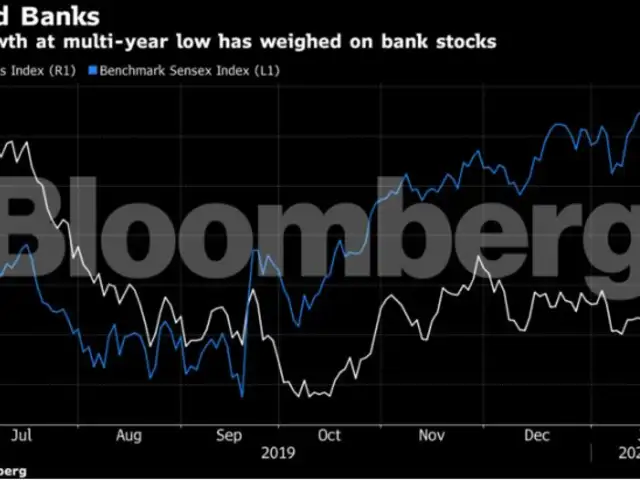
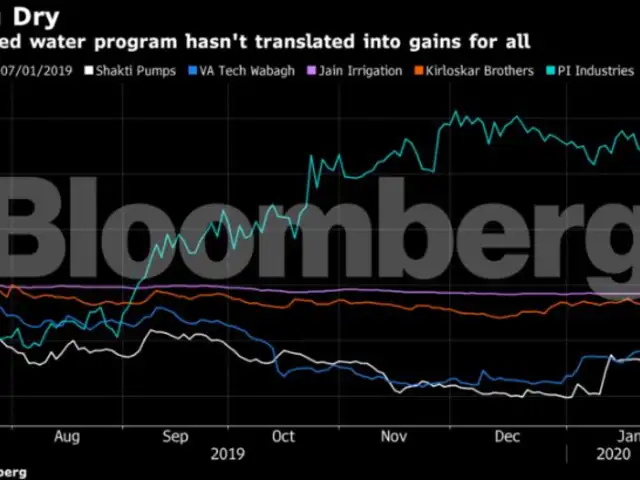
From banks to farmers to the property market, the gains from India’s budget in July haven’t yet panned out as expected.
In her maiden budget six months ago, Finance Minister Nirmala Sitharaman pledged to boost revenue collection by 13%, narrow the fiscal deficit to 3.3% of gross domestic product and spur the economy to $3 trillion by March. Things haven’t gone according to plan though, largely because of a worsening slowdown in the economy, which has put pressure on government revenue and the fiscal deficit.
As the finance minister prepares to deliver her second budget on February 1, here’s a look at how the expected winners from last year’s fiscal plan fared:


(Disclaimer: The opinions expressed in this column are that of the writer. The facts and opinions expressed here do not reflect the views of www.economictimes.com.)
Too busy to trade in stocks? Invest in Mutual Funds with ET Money!
Bookmark or read stories offline -
Download ET Markets APP
Download ET Markets APP
ADVERTISEMENT


