
Japan’s reflation trade: Foreign firepower, domestic caution

1/9
Tokyo markets at record highs
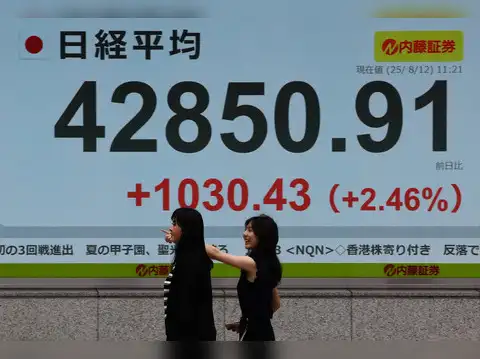
Foreign buyers have been the main drivers of Japanese equities, lifting the Topix 34.2% from its April lows. The rally has coincided with yen appreciation, yet Japanese retail investors remain largely absent from the momentum.
2/9
Policy backdrop
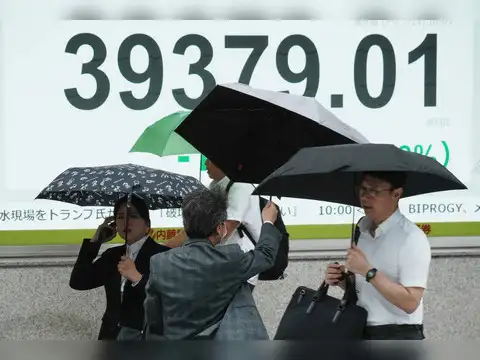
Japan is emerging from nearly three decades of stagnation. Government reforms and pro-growth policies are underpinning this shift. The Bank of Japan ended its decade-long stimulus and raised interest rates in January 2025 to their highest level since the global financial crisis of 2008.
3/9
Asset rotation
The reflation trade has triggered a shift from bonds into equities. Industrials have gained at the expense of high-growth companies, while investors show a preference for shorter-dated bonds over long-term ones.
Amazon Top Deals
POWERED BY


4/9
Retail investor puzzle
Japanese retail investors have withdrawn nearly $23 billion so far this year. While sentiment has recently turned positive, caution persists due to U.S. tariffs and market volatility. Analysts suggest that a combination of earnings recovery, foreign inflows, and a retail return could prove highly supportive for markets.

5/9
Foreign inflows and buybacks
Foreign flows into equities this year are the strongest in a decade, nearing levels last seen during the Abenomics boom of 2013. Corporates are also aggressively buying back shares, providing additional support as cash-rich companies seek ways to deploy capital.
6/9
Yen stability
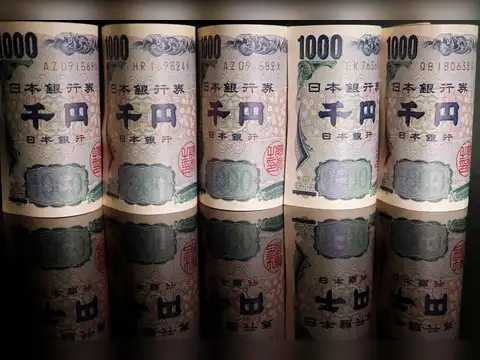
Despite turbulence in stocks and bonds, the yen has remained in a tight trading range of 140–160 per U.S. dollar for the past two years. The lack of significant repatriation flows has prevented the currency from strengthening despite higher yields and equity gains.
7/9
Overseas holdings
Japanese institutional investors continue to hold large overseas portfolios, particularly U.S. Treasuries purchased before the pandemic. Many of these positions are underwater following the Fed’s rate hikes, discouraging repatriation and keeping Japanese capital abroad.

8/9
Market trends and carry trades
Value stocks have begun to outperform growth names, signaling a broad-based economic recovery. At the same time, carry trades remain attractive for foreign investors, who can generate higher returns on Japanese bonds when swapped into U.S. dollars, thanks to the wide Fed–BoJ rate gap.

9/9
Key takeaways
Japan’s reflation story is being written by foreign investors and corporates, while domestic capital stays cautious. If retail and institutional investors return home, the rally could find another leg of support, making Japan’s market revival even more powerful.