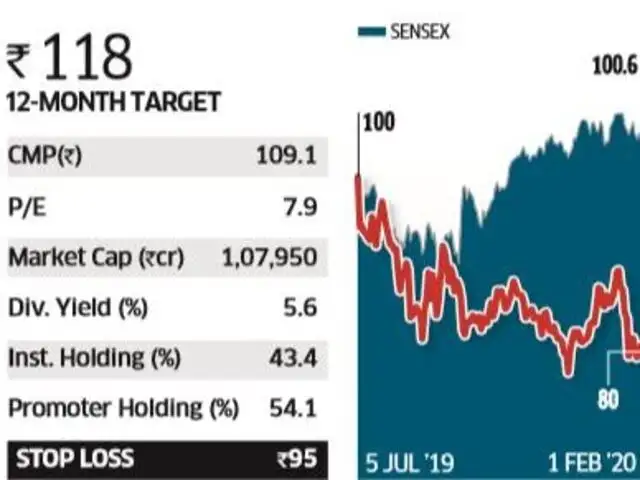
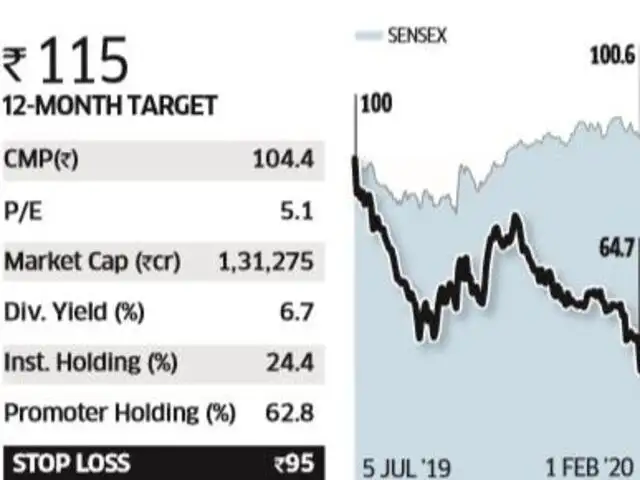
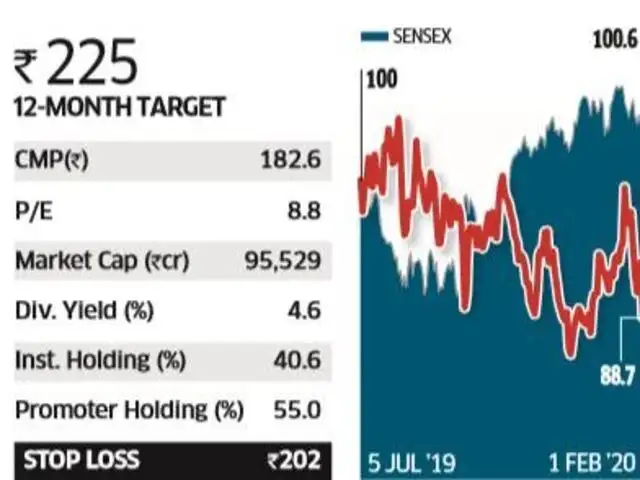
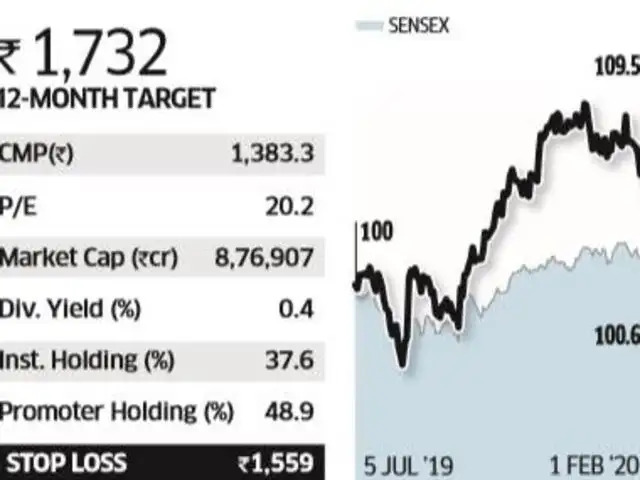
Most promoter-owners hold equity individually or in trusts, and are in the upper tax bracket. So, they will now have to pay 43 per cent tax on dividends from April 1.
Companies with high promoter holding are likely to announce high interim dividends in March before the new budget proposal, which makes dividend income taxable in the hands of the recipient, takes effect from April.
Most promoter-owners hold equity individually or in trusts, and are in the upper tax bracket. So, they will now have to pay 43 per cent tax on dividends from April 1.
At present, shareholders in the country need not pay any tax on income from dividends from domestic companies for receipts up to Rs 10 lakh, and they are taxed 10 per cent on dividend income beyond Rs 10 lakh. After the abolition of dividend distribution tax (DDT), investors will have to pay according to their respective tax slabs, which are as high as 43 per cent.
“Shareholders of companies with high promoter holding can expect a flurry of dividend announcements in March,” said Vijay Bhushan, president, Association of National Exchanges of Members of India (ANMI). “This could generate short-term buying interest in the cash-rich companies as yields have become attractive with falling stock prices.”
For instance, Mukesh Ambani and his personal firms have received nearlyRs 1,800 crore of dividend from Reliance Industries in FY19. Anil Agarwal and his holding companies have got dividend of Rs 3,500 crore last year from Vedanta. Similarly, the Munjal family received nearly Rs 600 crore of dividend from Hero MotoCorp. These are calculations based on the dividend payouts at the respective companies in FY19 and promoter holding.
However, some companies are owned by holding companies and they will have to pay the new tax only if the holding company is not a dividend paying company, said analysts.
ADVERTISEMENT
“Under revised section 80M (of the Income-Tax Act), for a dividend paying company it can avail deduction to the extent of dividend received or distributed, whichever is less,” said Gaurav Dua, head of capital market strategy & investments, Sharekhan.
There could be a rush of interim dividend announcements similar to what happened in March 2007 after the presentation of the 2007-08 Budget, when the then finance minister P Chidambaram proposed an increase in dividend distribution tax (DDT) to 15 per cent from 12.5 per cent.
A record 300 companies listed on the BSE and NSE announced their plans to pay interim dividends.
ADVERTISEMENT
“Many companies will likely pay interim dividends by March 31and look for some other options to reward the shareholders from the next fiscal,” said Ravi Sardana, senior VP – investment banking, ICICI Securities.
A similar rush to pay interim dividend was witnessed in 2002, when the then finance minister Yashwant Sinha had proposed to make dividends taxable in the hands of the shareholders.
ADVERTISEMENT
Budget 2020 has proposed to abolish DDT on dividends paid by the corporates and transfer the tax burden completely in the hands of the recipient.
Budget impact: How Sensex stocks may perform over next 1 year
1/31
Shifting payment of dividend distribution tax (DDT) from companies to investors, full tax benefit to sovereign funds investing in infra projects and a thrust on rural consumption failed to enthuse markets.
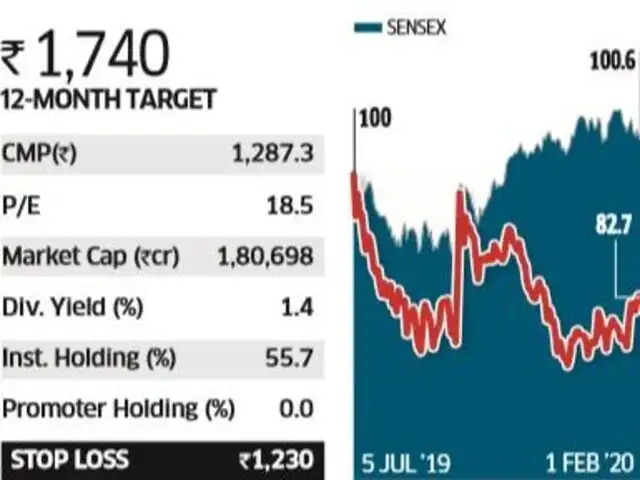
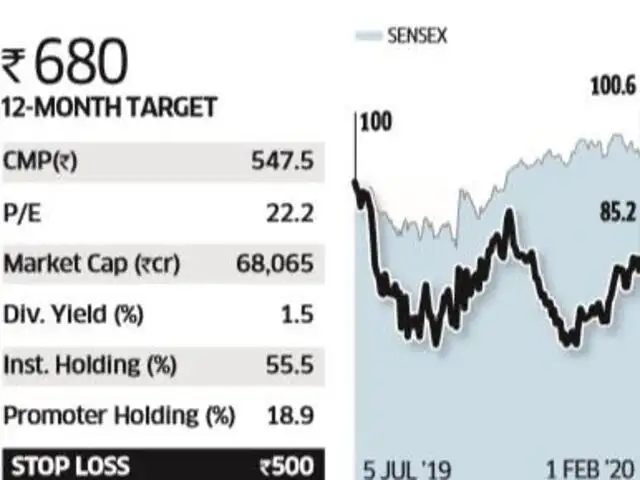
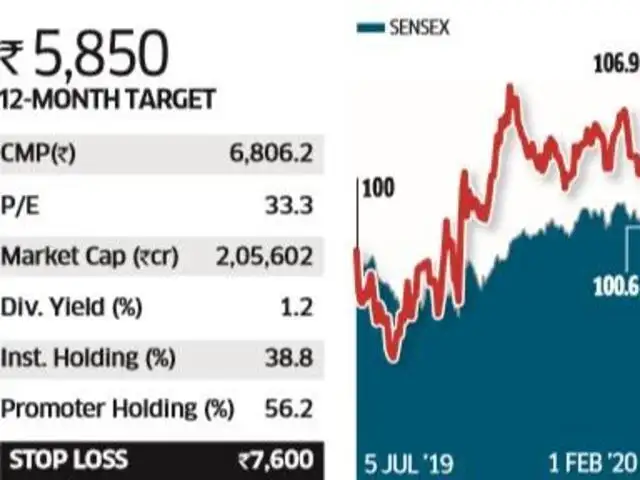
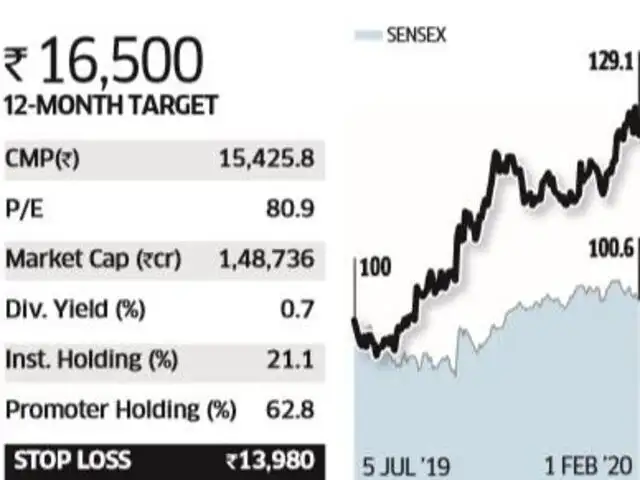
ICICI Securities projects how Sensex stocks may perform over the next one year:
Shifting payment of dividend distribution tax (DDT) from companies to investors, full tax benefit to sovereign funds investing in infra projects and a thrust on rural consumption failed to enthuse ma..
Read More
Revitalising its commitment towards Rs 102 lakh crore National Infrastructure Plan (NIP), the government has increased capital expenditure allocation by 18% to Rs 4.12 lakh crore for FY21, which is likely to create tendering opportunities for L&T. A push for rural infra bodes well.
Revitalising its commitment towards Rs 102 lakh crore National Infrastructure Plan (NIP), the government has increased capital expenditure allocation by 18% to Rs 4.12 lakh crore for FY21, which is l..
Read More
Allocation of Rs 1.8 lakh crore towards agriculture and allied activities to support under-penetrated farm mechanisation in India. M&M as domestic market leader in tractors and other farm equipment segment to benefi t. Higher customs duty on EVs is a ‘positive’ for its EV segment.
Allocation of Rs 1.8 lakh crore towards agriculture and allied activities to support under-penetrated farm mechanisation in India. M&M as domestic market leader in tractors and other farm equipment s..
Read More
Rise in discretionary income for taxpayers who migrate to the new tax regime is a positive for Maruti. However, given the lacklustre new product line-up and limited operating leverage, we hold a ‘negative’ view on the company. It trades at expensive valuations of 25x P/E on FY22E.
Rise in discretionary income for taxpayers who migrate to the new tax regime is a positive for Maruti. However, given the lacklustre new product line-up and limited operating leverage, we hold a ‘neg..
Read More
There was no budget announcement with a direct impact on Nestle. A higher disposable income in the hands of tax payers who opt for the new personal tax regime may have an indirect positive effect. We have a ‘neutral’ view on the stock, given the rich valuations.
There was no budget announcement with a direct impact on Nestle. A higher disposable income in the hands of tax payers who opt for the new personal tax regime may have an indirect positive effect. We..
Read More
The government continues to focus on augmenting renewable capacity as it allocated Rs 22,000 crore for the sector, while the budget remained ‘neutral’ for thermal power generation companies such as NTPC. A rising thrust on non-fossil energy is a long-term negative for the company.
The government continues to focus on augmenting renewable capacity as it allocated Rs 22,000 crore for the sector, while the budget remained ‘neutral’ for thermal power generation companies such as N..
Read More
No major impact of the budget on ONGC. The budget has increased allocation of oil subsidies to Rs 40,000 crore from last year’s Rs 33,000 crore. This may offer some relief amid rising crude oil prices. We remain ‘neutral’ on the stock due to lower production growth.
No major impact of the budget on ONGC. The budget has increased allocation of oil subsidies to Rs 40,000 crore from last year’s Rs 33,000 crore. This may offer some relief amid rising crude oil price..
Read More
To attract investments in the power sector, the Union budget proposed extension of concessional corporate tax rate of 15% to new domestic companies engages in the generation of electricity. This is only marginally ‘positive’ for the largest transmission company.
To attract investments in the power sector, the Union budget proposed extension of concessional corporate tax rate of 15% to new domestic companies engages in the generation of electricity. This is o..
Read More
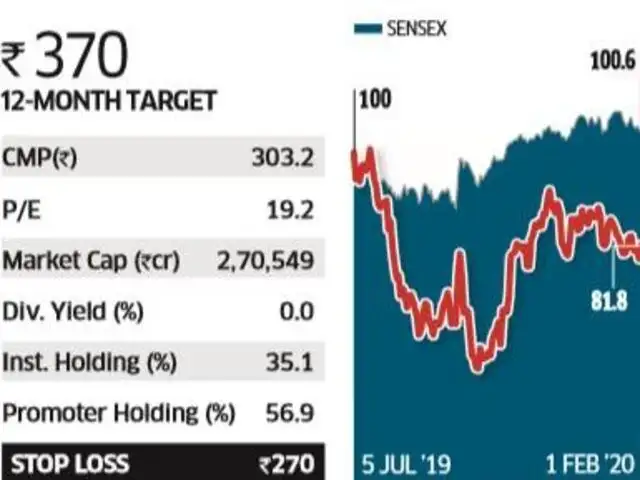
Abloshing dividend distribution tax may result in promoter led high-paying dividend companies to increase share buyback amount before the end of the current fi scal year to save tax outgo for the promoters. RIL paid dividend of Rs 3,554 crore in FY19.
Abloshing dividend distribution tax may result in promoter led high-paying dividend companies to increase share buyback amount before the end of the current fi scal year to save tax outgo for the prom..
Read More
Extension of additional tax deduction on affordable home loan and introduction of scheme to provide guarantee to MSME credit will enable the bank to grow its advances. Higher agriculture credit target to result in higher share to SBI, thereby leading to probability on future NPA.
Extension of additional tax deduction on affordable home loan and introduction of scheme to provide guarantee to MSME credit will enable the bank to grow its advances. Higher agriculture credit targe..