
Intel's Unexpected Boost: How U.S.-China Trade War is Driving Demand for Older Chips
1/10
Impact of Sino-U.S. Trade War on Intel's Chip Market
The U.S.-China trade war has pressured Intel's largest market, China. Surprisingly, it has increased demand for Intel’s older-generation chips, especially for personal computers and servers. This shift in demand is becoming a key factor for Intel in navigating the economic uncertainties. (Source: Reuters)
2/10
Trade War Impacts Intel's Biggest Market
The trade war threatens Intel’s revenue from China, a critical market. Due to rising tariffs, customers are turning to older, cheaper chips. This shift is altering Intel’s sales strategy and market outlook, as new chips face high tariff risks.
3/10
Shift in Demand: Older Chips on the Rise
Intel has seen a surge in demand for older chips in both personal computing and data centres. Customers are prioritising cost-effective solutions due to economic uncertainty. This trend highlights a move from cutting-edge to older, more affordable technology.
Amazon Top Deals
POWERED BY


4/10
Macro-Economic Concerns Drive Consumer Behaviour
Rising tariffs and economic uncertainty are causing businesses to be cautious. As a result, many are opting for cheaper, older chips. Intel’s CEO, Michelle Holthaus, noted that customers are hedging their bets against the volatile economic situation.
5/10
Intel's Outlook Amidst Trade Tensions
Intel’s first-quarter sales exceeded expectations, but its outlook for the June quarter is cautious. Rising tariffs and trade tensions may slow growth. While stockpiling chips helped, Intel is facing a tough road ahead with uncertain demand.
6/10
Potential Impact of China's Retaliatory Tariffs
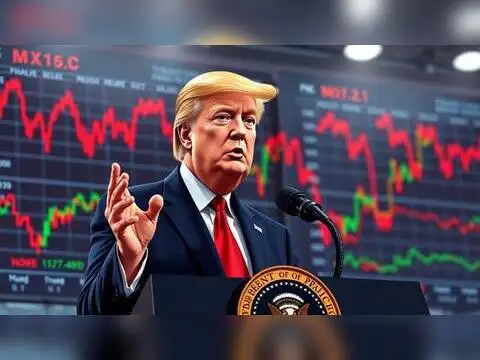
China’s retaliatory tariffs could reach up to 85% on U.S.-made chips. This could lead to significant revenue losses for Intel in China, which is a major market. Intel is concerned about these tariffs impacting their future sales.
7/10
Rising Risks of Economic Slowdown
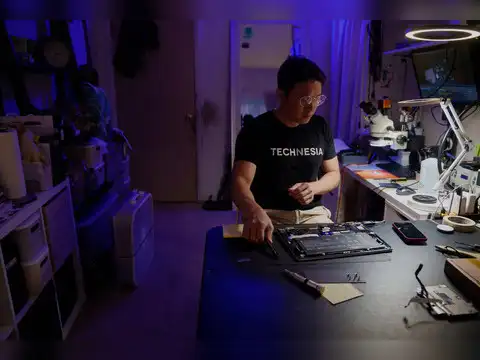
Intel’s CFO, David Zinsner, expressed concern about a potential global recession due to fluctuating trade policies. The uncertainty has increased risks of slower growth and higher costs, affecting Intel’s financial outlook.
8/10
Slower Recovery in PC Market
Intel hoped for a PC market recovery through AI-powered devices and a new Windows cycle. However, rising tariffs could slow this recovery by making PCs more expensive. This could hurt Intel's sales and growth potential in the PC sector.
9/10
Shift to Older Chips in Uncertain Times
In uncertain times, businesses prefer “good enough” over cutting-edge technology. Older chips are gaining popularity as customers seek more reliable, affordable options rather than the latest innovations. This trend could impact Intel’s push for advanced chips.
10/10
Intel Navigating Uncertainty
Intel faces challenges due to trade tensions, economic uncertainty, and shifting demand for older chips. While the company aims to introduce advanced AI-powered chips, the demand for cheaper, older processors may slow growth and affect its strategic goals.(Disclaimer: This article has been sourced from Reuters)