Gun for defence, the likely hot spot for multibaggers; top bets
Defence as a theme will do remarkably well as analysts believe the government is all set to expedite orders worth of $155 billion within the next 2-3 years.
By Kshitij Anand, ET Online | Updated:

NEW DELHI: Defence is turning out to be prime minister Narendra Modi's marquee player in his rigorous push for 'Make in India', which explains why the sector has the potential to produce the next set of mutibagger stocks.
Defence as a theme will do remarkably well in the long haul as analysts across brokerages believe the government is all set to expedite orders worth of $155 billion within the next 2-3 years, coupled with an increased thrust on indigenisation and faster clearances, that will be key catalysts for the sector.
"Thrust on indigenisation creates a huge opportunity for R&D to get a kick-start in India. Therefore, if things go as planned, the defence sector can definitely be lucrative for an investor to look at," says Raghu Kumar, co-founder, RKSV.
"If the market prices in the fact that these reforms are going to happen and that hundreds of thousands of jobs will be created, then the it will react quickly and swiftly," he adds.
India's defence budget is the ninth-largest in the world and the country is the largest importer of defence equipment. The government spends close to $40 billion annually on the defence budget.
The government now plans to lower the percentage of defence equipment imported from 60% to 30%, this creates a huge opportunity for domestic firms to produce not only hundreds of thousands of jobs, but also allows new technology to be implemented domestically, say experts.
"We are expecting defence to be the next multibagger segment in the financial markets, only if the budget is at par with the expectation and more over the execution of the proposed schemes are put on fast track," says Rohit Gadia, founder & CEO, CapitalVia Global Research Ltd.
Inaugurating Aero India 2015 in Bengaluru, the prime minister said his government did not want India to be the biggest importer of defence equipment in the world, and vowed to double output of defence manufacturing in the country.
Modi said the Centre was keen to expand the role of private sector for Indian defence production and that preference would be given to defence products made locally.
"We do need to increase our defence preparedness. We do have to modernise our defence forces," he said. "If we could raise the percentage of domestic procurement from 40% to 70% in the next five years, we would double the output in our defence industry," he said.

Defence as a theme will do remarkably well in the long haul as analysts across brokerages believe the government is all set to expedite orders worth of $155 billion within the next 2-3 years, coupled with an increased thrust on indigenisation and faster clearances, that will be key catalysts for the sector.
"Thrust on indigenisation creates a huge opportunity for R&D to get a kick-start in India. Therefore, if things go as planned, the defence sector can definitely be lucrative for an investor to look at," says Raghu Kumar, co-founder, RKSV.
"If the market prices in the fact that these reforms are going to happen and that hundreds of thousands of jobs will be created, then the it will react quickly and swiftly," he adds.
India's defence budget is the ninth-largest in the world and the country is the largest importer of defence equipment. The government spends close to $40 billion annually on the defence budget.
The government now plans to lower the percentage of defence equipment imported from 60% to 30%, this creates a huge opportunity for domestic firms to produce not only hundreds of thousands of jobs, but also allows new technology to be implemented domestically, say experts.
ADVERTISEMENT
"We are expecting defence to be the next multibagger segment in the financial markets, only if the budget is at par with the expectation and more over the execution of the proposed schemes are put on fast track," says Rohit Gadia, founder & CEO, CapitalVia Global Research Ltd.
Inaugurating Aero India 2015 in Bengaluru, the prime minister said his government did not want India to be the biggest importer of defence equipment in the world, and vowed to double output of defence manufacturing in the country.
Modi said the Centre was keen to expand the role of private sector for Indian defence production and that preference would be given to defence products made locally.
"We do need to increase our defence preparedness. We do have to modernise our defence forces," he said. "If we could raise the percentage of domestic procurement from 40% to 70% in the next five years, we would double the output in our defence industry," he said.
ADVERTISEMENT
ADVERTISEMENT
"We believe, defence-related stocks are yet to discount the full potential of the defence capex which would anything between $380-400 Bn over 10 years. We will not be surprised to see these stocks doubled from the current level," says Anik Das, Research Analyst - Capital Goods at Microsec Capital Ltd.
"The Centre has a massive plan for rejuvenating the sector, which needs urgent modernization and defence capex would be $155 bn within the next 2-3 years. We think over the medium to long term this sector will be in a position to produce good results," he adds.
Consolidation in the sector, M&A/JV's on track:
There is huge potential in this sectors in the long-term and India Inc. is not wasting any time. The consolidation in the sector has already begun, or atleats talks of merger & acquisitions is heating up.
To start with, the Reliance Group, headed by billionaire Anil Ambani, is looking at foraying into the defence manufacturing sector, joining the likes of Reliance Industries, the Tata Group, L&T and Mahindra Group to tap into what could be a $100-billion market in 10 years, ET reported.
ADVERTISEMENT
Another firm, Mahindra & Mahindra, one of India's largest diversified conglomerates, will purchase a majority stake in Pipavav Defence and Offshore Engineering (PDOE) for roughly Rs 3,000 crore at Rs 66 a share in a three-phase deal, ET reported last week quoting two people with direct knowledge of the plan.
Bharat Forge on Thursday announced a joint venture with Rafael for manufacturing high-tech defence components. The Kalyani Group announced the 51:49 defence joint venture with Rafael. The company also signed a contract with Boeing Commercial Airplane to supply titanium for wing components for the Next-Generation 737 and 37 MAX aircrafts.
Top stocks to watch out:
Government has a massive plan for rejuvenating the sector, which needs urgent modernization and defence capex would be USD155 bn within the next 2-3 years. "We think over the medium to long term this sector will be in a position to produce good results," says Das of Microsec Capital Ltd.
ADVERTISEMENT
"Defence is something to keep an eye on with a three-four-year view, there are going to be potentially some big beneficiaries of it, but I would not look for any big earnings prop," says Arvind Sanger, Managing Partner, Geosphere Capital Management.
"I would look for capex announcements which could have benefits three to four years from now and hopefully, the benefits will accrue to some of the companies that are otherwise capital disciplined so that we can see whatever they do, they do in a fashion that will create value for shareholders," he adds.
ADVERTISEMENT
Analyst: Anik Das, Research Analyst - Capital Goods at Microsec Capital Ltd
Bharat Electronics Ltd: a) A scalable and de-risked business model, (b) a strong balance sheet, (c) order book CAGR of 16.82% over FY14-17E, (d) likely indigenisation of defence manufacturing would give fillip to this stock.
Astra Microwaves Products Ltd: a) A strong order book provides revenue visibility for the next 2-3 years (b) offset provide large opportunity, (c) good working capital management practices, (d) L&T on board.
Raghu Kumar, Cofounder, RKSV
The best bet is to look at stocks that have the most influence within the sector - that is, firms like L&T, Bharat Forge, and similar firms that are involved with R&D that will benefit from domestic production of defence equipment. Smaller firms like Pipavav Defense which are directly related to defense shipbuilding should also fare well.
Too busy to trade in stocks? Invest in Mutual Funds with ET Money!
Bookmark or read stories offline -
Download ET Markets APP
Download ET Markets APP
Economictimes.com & Agencies
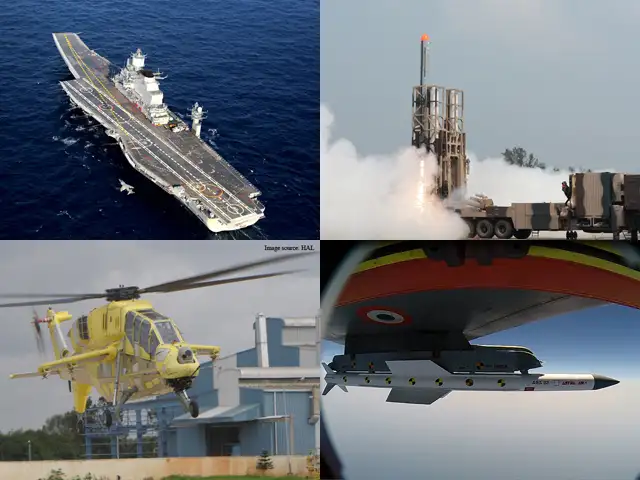
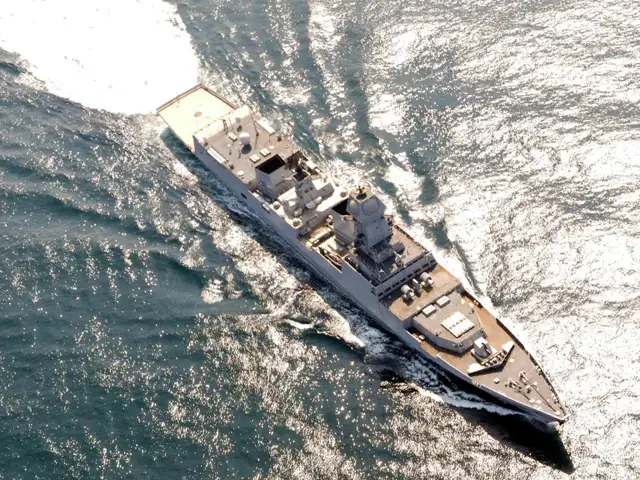
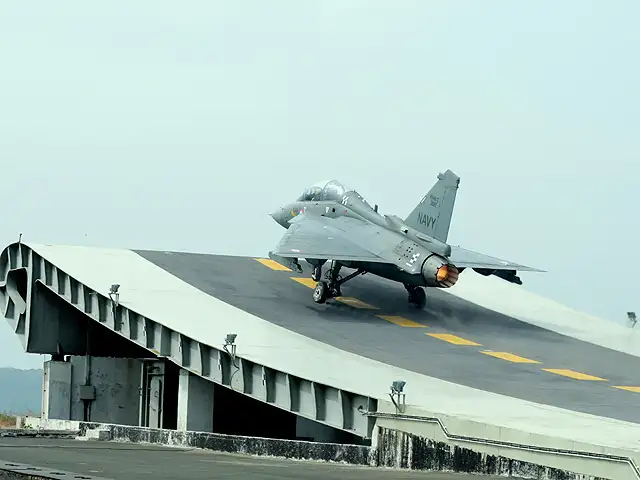
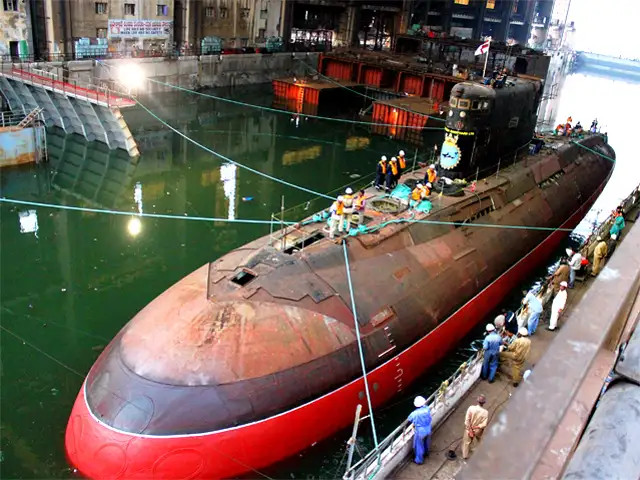
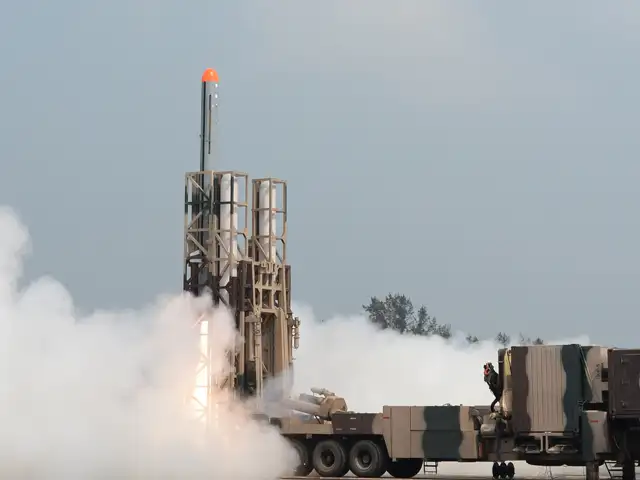
The need to have robust defence capabilities in today's day and age cannot be overstated. India has been aggressively pushing to enhance its ability to deter attacks and up its defence prowess.
2014 saw multiple steps being taken in that direction and India saw many new additions to its defence fleet. We take a look at eight achievements that deserve a special mention:
The need to have robust defence capabilities in today's day and age cannot be overstated. India has been aggressively pushing to enhance its ability to deter attacks and up its defence prowess.
2014 saw multiple steps being taken in that direction and India saw many new additions to its defence fleet. We take a look at eight achievements that deserve a special mention:





ADVERTISEMENT


