
G20, US Jobs Data, Rate Decisions: 5 key global market triggers this week

1/5
G20 Takes Centre Stage
Global central bankers will move from Jackson Hole to Asheville, North Carolina, for the G20 meeting on Monday and Tuesday. Bank of Japan Governor Kazuo Ueda is expected to attend alongside Japan’s finance minister. Investors will closely watch discussions as geopolitics, elections and upcoming interest-rate decisions create uncertainty. The Fed and BOJ meetings in September are already emerging as key risk events, while Middle East tensions, France’s budget negotiations and Germany’s regional elections remain on the radar. (Source: Reuters)

2/5
Dollar Under Pressure?
The U.S. Treasury market could become another source of volatility as investors assess efforts to contain long-term borrowing costs. Discussions around Treasury bond buybacks have revived concerns over the impact of America’s roughly $40 trillion debt pile and policy uncertainty on the dollar. The greenback and U.S. Treasuries have stabilised after recent selling, but the debate remains active. Gold has surged around 13% in August, while Bitcoin has moved back above $80,000.

3/5
US Jobs Data in Focus
Friday’s U.S. jobs report will provide fresh clues about the health of the labour market. Employment is expected to have increased by around 45,000 in August, following an unexpected decline of 23,000 in July. A weak report could strengthen expectations for easier monetary policy, although markets still see better-than-even odds of a rate hike before the end of the year. Manufacturing and services data will also offer insights into economic momentum, while Broadcom’s earnings are likely to attract attention following strong AI demand highlighted by Nvidia.
Amazon Top Deals
POWERED BY

Crompton Ozone 75 Litres Desert Air Cooler for home | Large & Easy Clean Ice Chamber | 4-Way Air Deflection | High Density Honeycomb Pads | Everlast Pump | Auto Fill| 3 Year Brand Warranty
₹9,798Buy Now43%
OFF

LG 32 L Convection Microwave Oven (MC3286BRUM, Black, 360° Motorised Rotisserie for Bar-be-queing, 301 Auto Cook Menu, Stainless steel cavity, Indian Cuisine, Tandoor Se, Steam Clean & Diet Fry)
₹19,090Buy Now20%
OFF
4/5
New Zealand, Canada Rate Decisions
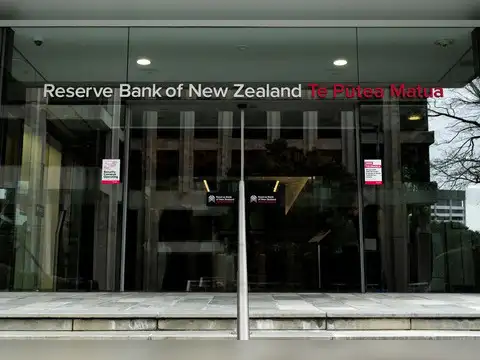
The Reserve Bank of New Zealand is expected to raise its policy rate to 2.75% on Wednesday as inflationary pressures remain elevated. New Zealand’s annual inflation accelerated to a 2½-year high in the second quarter, driven partly by higher fuel prices. Ongoing Middle East tensions could keep energy costs elevated. Markets expect rates to reach 3% by December and 3.5% next year. Meanwhile, the Bank of Canada is expected to leave rates unchanged as inflation remains relatively contained, although trade tensions with the U.S. continue to cloud the economic outlook.
5/5
Euro Zone Inflation Test
Euro zone inflation is expected to rise to 3.3% in August, its highest level in almost three years, largely because of elevated energy costs. While underlying inflation is forecast to remain closer to the European Central Bank’s 2% target, it is still expected to stay above it. The ECB will be watching closely for signs that higher energy prices are spreading into broader inflation. Markets expect another rate hike in September, although policymakers may be reluctant to signal additional tightening beyond that meeting.