Five reasons why Sensex is not rallying
The momentum was missing in the markets after Budget day. Experts feel markets are likely to consolidate with a 10 per cent rise over the year.
By ET Online | Updated:

MUMBAI: The momentum was missing in the markets after a roller-coaster ride on Budget day. The return of foreign institutional investors after the Budget was expected to take the bourses to all-time highs. With no big bang reforms in sight, analysts feel markets are likely to consolidate with a 10 per cent rise over the year.
Following are five factors that may have impeded the expected rally:
India’s sovereign rating: Ratings agency Standard & Poor's does not expect an upgrade to India's sovereign debt rating next year in the absence of substantial, quality reforms. The government revised the fiscal deficit target to 3.9 per cent for FY15-16 from previous target of 3.6 per cent. India needs to at least strengthen two of its macroeconomic metrics on growth, inflation and fiscal health, said Kim Eng Tan, Senior Director, Asia-Pacific Sovereign Ratings for Standard & Poor's.
According to Fitch Ratings, the Budget for 2015-16 was a mixed bag even as the government met the fiscal deficit target of 4.1 per cent. Thomas Rookmaaker in an interview to ET Now said there is some merit in government’s choice to stimulate investment and FY16 revenue estimates look realistic and reachable.
He added that fiscal consolidation is watched closely for an upgrade. Fitch will also look at investment reforms and credible low inflation environment as well.
Markets running ahead of fundamentals? Most stocks have run up in the past one year on hopes of a V-shape recovery in corporate earnings after Modi government came to power. However, the earnings have failed to live upto the expectations. The third quarter earnings were disappointing and not much can be expected till next year. Post budget, a pick-up in orders can be expected in next two quarters and it will start reflecting in earnings in 2016. "Despite the recent earnings downgrades post 3Q, we believe that earnings recovery will begin in FY16," said Motilal Oswal report. "We find the valuations of the Indian market full even after factoring in strong earnings growth over FY16-17. More importantly, valuations of high-growth, high-quality stocks have reached 'bubble' levels even after assuming a 50-200 per cent increase in EPS over the next two years in several cases,” cautioned Kotak Institutional Equities report.
Pending Bills: The annual event of the Budget is out of the way and the government has the tough task to bring opposition parties on board to pass crucial pending Bills in Parliament. Prime Minister Narendra Modi has said the government is willing to remove any anti-farmer clause from the Land Acquisition Bill. However, the opposition parties are unlikely to let the government pass it easily. If the ordinances are not ratified by the end of this session, they will lapse.
"With the Budget now out of the way, we believe that investors’ attention will revert to the government’s effort to implement more critical policy reforms rather unconnected to the budget per se," said Morgan Stanley report.
Key policy legislation in the parliament include Amendment to Land acquisition Act, Goods and Services Tax (GST) Bill, Coal Mining Bill and Bill for an increased FDI limit in insurance. "Amongst this legislation, while GST is most important from the perspective of its economic implications, we believe government’s ability to get the amendment to Land Acquisition Act approved without any compromise will be perceived to be more important as it is a politically sensitive move," the report added.
Crude oil price hike: The Indian government has been ‘lucky’ due to the sharp fall in global crude oil prices last year. The government passed on some of the benefit to customers and also hiked excise duty on petroleum products. However, the global prices have risen since then and the oil marketing companies have hiked petrol and diesel prices for second time last month. Any volatility in crude oil prices or rupee depreciation can upset government’s budget.
The government has budgeted FY16 GFD-to-GDP ratio at 3.9 per cent, lower than 4.1 per cent in FY15, but higher than the street’s expectations of 3.6 per cent. "We note that the level of oil prices will be very important in determining the government’s FY2016 fiscal position and choices during the course of the year," said Kotak Institutional Equities report.
If crude oil prices rise to $80 per barrel, the government may be forced to cut excise duty in order to mitigate the extent of increase in retail prices. "The government will have to choose between revenues and inflation while deciding on its options in case global crude oil prices rise
(1) Let the oil companies raise prices without reducing excise duties (would protect government’s revenues but result in higher inflation) and (2) Reduce excise duties to manage inflation (would result in lower revenues from the oil & gas sector),” the report said.
US Federal Reserve rate hike: The FIIs inflows are thick and fast in the Indian markets on hopes of a pick-up in the Indian economy. However, as the US economy is showing signs of recovery, the US Federal Reserve may announce a rate hike by June-July. This can lead to a sharp correction in global equities and currency market as easy money will make its way to buy US dollar.
"Few poll participants see a likely increase in interest rates in the US as a threat to India. While some said the Fed is unlikely to raise rates this year, many felt India would be relatively insulated because of the strong growth prospects," said ET report survey of fund managers and brokers.
Following are five factors that may have impeded the expected rally:
India’s sovereign rating: Ratings agency Standard & Poor's does not expect an upgrade to India's sovereign debt rating next year in the absence of substantial, quality reforms. The government revised the fiscal deficit target to 3.9 per cent for FY15-16 from previous target of 3.6 per cent. India needs to at least strengthen two of its macroeconomic metrics on growth, inflation and fiscal health, said Kim Eng Tan, Senior Director, Asia-Pacific Sovereign Ratings for Standard & Poor's.
According to Fitch Ratings, the Budget for 2015-16 was a mixed bag even as the government met the fiscal deficit target of 4.1 per cent. Thomas Rookmaaker in an interview to ET Now said there is some merit in government’s choice to stimulate investment and FY16 revenue estimates look realistic and reachable.
He added that fiscal consolidation is watched closely for an upgrade. Fitch will also look at investment reforms and credible low inflation environment as well.
Markets running ahead of fundamentals? Most stocks have run up in the past one year on hopes of a V-shape recovery in corporate earnings after Modi government came to power. However, the earnings have failed to live upto the expectations. The third quarter earnings were disappointing and not much can be expected till next year. Post budget, a pick-up in orders can be expected in next two quarters and it will start reflecting in earnings in 2016. "Despite the recent earnings downgrades post 3Q, we believe that earnings recovery will begin in FY16," said Motilal Oswal report. "We find the valuations of the Indian market full even after factoring in strong earnings growth over FY16-17. More importantly, valuations of high-growth, high-quality stocks have reached 'bubble' levels even after assuming a 50-200 per cent increase in EPS over the next two years in several cases,” cautioned Kotak Institutional Equities report.
ADVERTISEMENT
Pending Bills: The annual event of the Budget is out of the way and the government has the tough task to bring opposition parties on board to pass crucial pending Bills in Parliament. Prime Minister Narendra Modi has said the government is willing to remove any anti-farmer clause from the Land Acquisition Bill. However, the opposition parties are unlikely to let the government pass it easily. If the ordinances are not ratified by the end of this session, they will lapse.
"With the Budget now out of the way, we believe that investors’ attention will revert to the government’s effort to implement more critical policy reforms rather unconnected to the budget per se," said Morgan Stanley report.
Key policy legislation in the parliament include Amendment to Land acquisition Act, Goods and Services Tax (GST) Bill, Coal Mining Bill and Bill for an increased FDI limit in insurance. "Amongst this legislation, while GST is most important from the perspective of its economic implications, we believe government’s ability to get the amendment to Land Acquisition Act approved without any compromise will be perceived to be more important as it is a politically sensitive move," the report added.
Crude oil price hike: The Indian government has been ‘lucky’ due to the sharp fall in global crude oil prices last year. The government passed on some of the benefit to customers and also hiked excise duty on petroleum products. However, the global prices have risen since then and the oil marketing companies have hiked petrol and diesel prices for second time last month. Any volatility in crude oil prices or rupee depreciation can upset government’s budget.
ADVERTISEMENT
The government has budgeted FY16 GFD-to-GDP ratio at 3.9 per cent, lower than 4.1 per cent in FY15, but higher than the street’s expectations of 3.6 per cent. "We note that the level of oil prices will be very important in determining the government’s FY2016 fiscal position and choices during the course of the year," said Kotak Institutional Equities report.
If crude oil prices rise to $80 per barrel, the government may be forced to cut excise duty in order to mitigate the extent of increase in retail prices. "The government will have to choose between revenues and inflation while deciding on its options in case global crude oil prices rise
ADVERTISEMENT
(1) Let the oil companies raise prices without reducing excise duties (would protect government’s revenues but result in higher inflation) and (2) Reduce excise duties to manage inflation (would result in lower revenues from the oil & gas sector),” the report said.
US Federal Reserve rate hike: The FIIs inflows are thick and fast in the Indian markets on hopes of a pick-up in the Indian economy. However, as the US economy is showing signs of recovery, the US Federal Reserve may announce a rate hike by June-July. This can lead to a sharp correction in global equities and currency market as easy money will make its way to buy US dollar.
"Few poll participants see a likely increase in interest rates in the US as a threat to India. While some said the Fed is unlikely to raise rates this year, many felt India would be relatively insulated because of the strong growth prospects," said ET report survey of fund managers and brokers.
Too busy to trade in stocks? Invest in Mutual Funds with ET Money!
Bookmark or read stories offline -
Download ET Markets APP
Download ET Markets APP

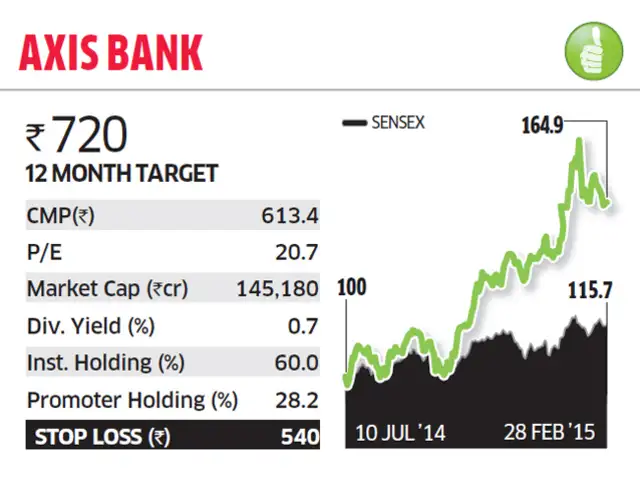
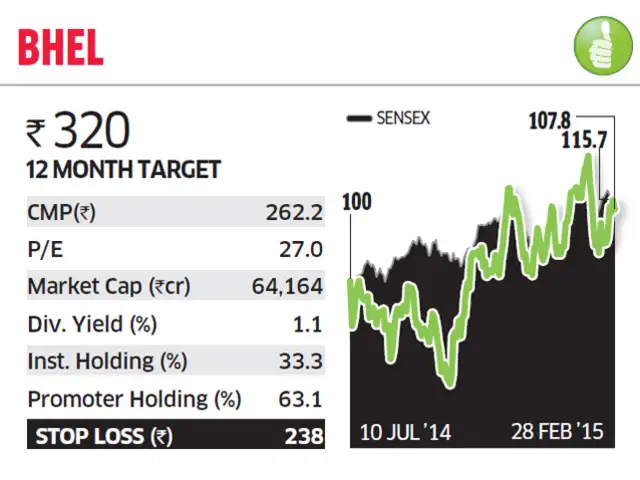
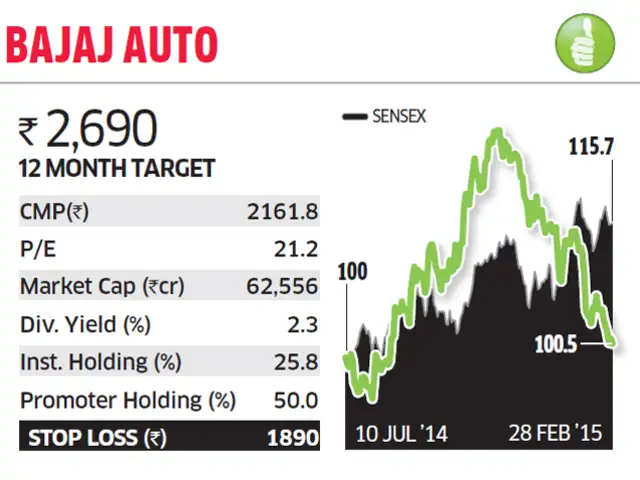
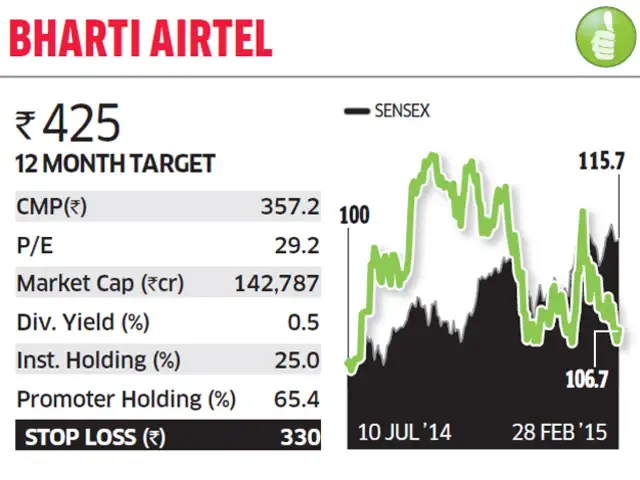
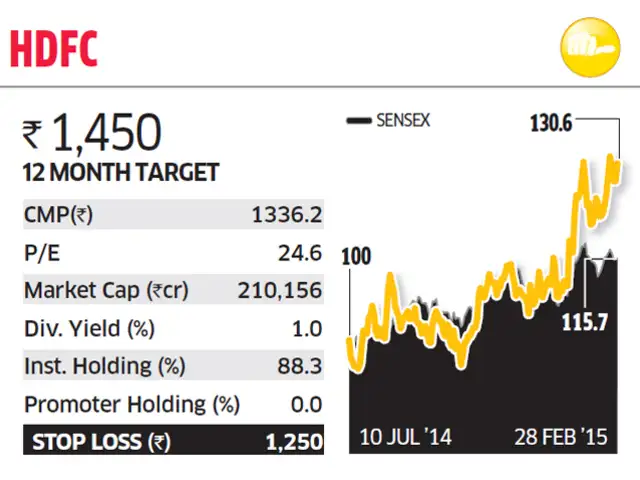
Text: Analysis by ICICI Securities
Higher social spending and fears of delayed rate cuts initially spooked the market, but traders overcame the initial blues as they sensedthat the Finance Minister has made life easier for foreign portfolio investors and promised to remove tax cobwebs.
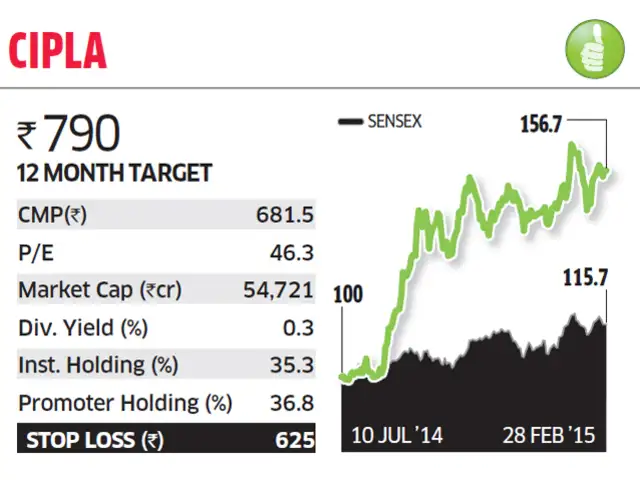
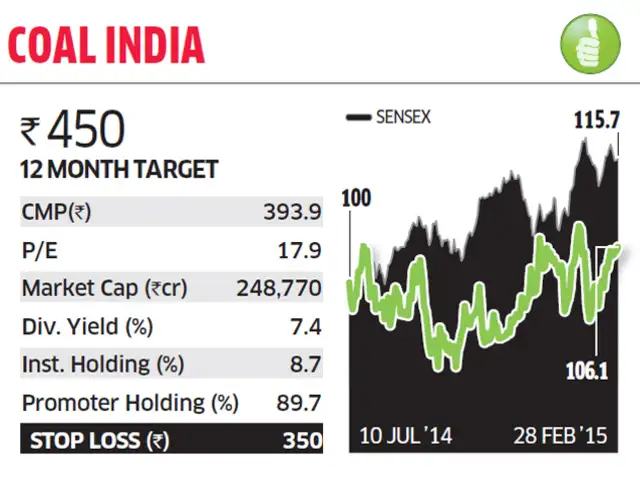
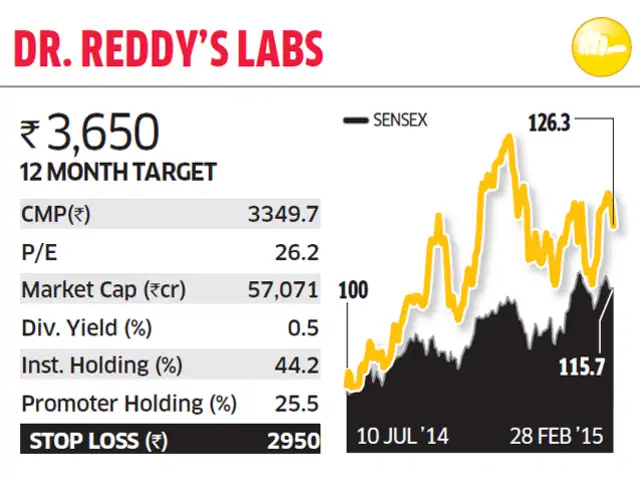
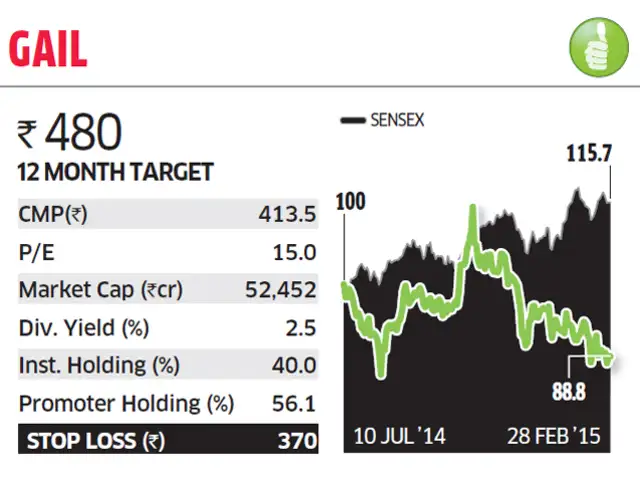
We take a look at 30 Sensex stocks in focus post Budget 2015...
Higher social spending and fears of delayed rate cuts initially spooked the market, but traders overcame the initial blues as they sensedthat the Finance Minister has made life easier for foreign portfolio investors and promised to remove tax cobwebs.
We take a look at 30 Sensex stocks in focus post Budget 2015...