
Europe signs uneven pact amid US trade pressure
1/6
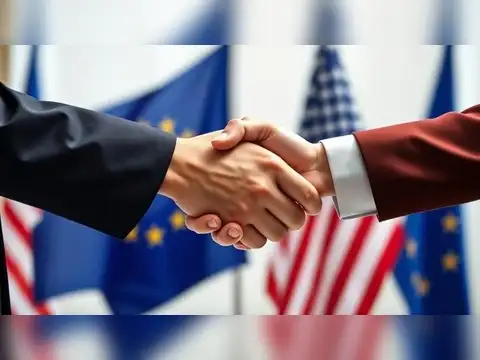
Europe Concedes in U.S. Trade Deal
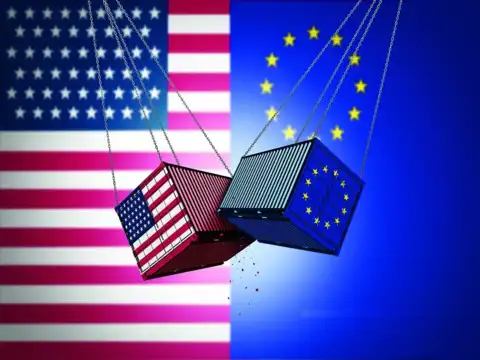
After months of negotiations, Europe has accepted a 15% blanket tariff deal with the U.S.—a compromise clearly tilted in America's favour. The EU lacked the leverage to negotiate on its own terms, facing a stark reality about its global economic clout. (Source: Reuters)
2/6
A Reality Check for the EU
The deal exposes the limits of the EU’s ambition to rival economic giants like the U.S. and China. Despite long promoting itself as a champion of rules-based global trade, Europe finds itself playing defence amid rising global protectionism.
3/6
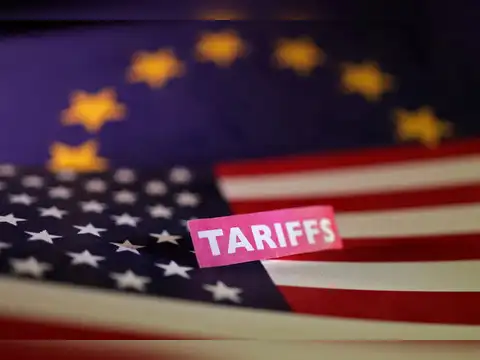
Tariff Impact on the EU Economy
While the 15% tariff is better than the threatened 30%, it still dims Europe’s growth prospects. The European Central Bank expects 0.5–0.9% growth this year—well below the potential in a tension-free environment.
Amazon Top Deals
POWERED BY

Crompton Ozone 75 Litres Desert Air Cooler for home | Large & Easy Clean Ice Chamber | 4-Way Air Deflection | High Density Honeycomb Pads | Everlast Pump | Auto Fill| 3 Year Brand Warranty
₹9,798Buy Now43%
OFF

LG 32 L Convection Microwave Oven (MC3286BRUM, Black, 360° Motorised Rotisserie for Bar-be-queing, 301 Auto Cook Menu, Stainless steel cavity, Indian Cuisine, Tandoor Se, Steam Clean & Diet Fry)
₹19,340Buy Now19%
OFF
4/6
A Deal Out of Pressure
European negotiators were pressured by exporters facing rising uncertainty. With global businesses from Nokia to SSAB feeling the heat, the EU accepted terms it once deemed unacceptable, even conceding a $600 billion investment pledge in the U.S..
5/6
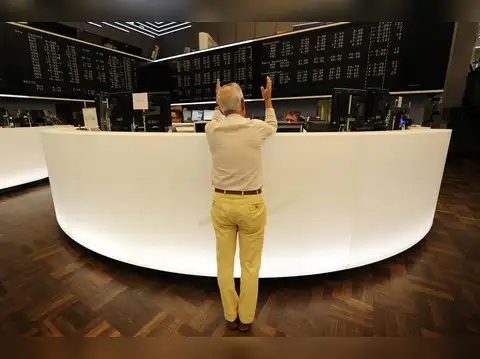
Asymmetry in the Final Agreement
The EU not only avoids retaliation but keeps markets open to U.S. goods, despite receiving no defined timeline or reciprocal concessions. The imbalance reveals the EU’s limited retaliation capacity and internal divisions over U.S. digital service dependencies.
6/6
Time for a Strategic Reset
German export leaders call the deal an "existential threat" and a wake-up call. The EU is urged to diversify trade partnerships and pursue reforms long delayed. As BGA President Dirk Jandura put it: “Europe must now prepare itself strategically for the future.”
(Disclaimer: This slideshow has been sourced from Reuters)
(Disclaimer: This slideshow has been sourced from Reuters)