
Don't miss it! Aswath Damodaran identifies 2 sectors that will shape India’s growth story
1/6
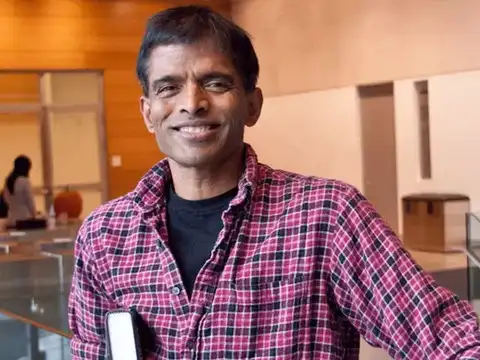
Aswath Damodaran, Professor - Stern School of Business, NYU
In a recent interview with ET Now, Aswath Damodaran, a professor at Stern School of Business, NYU, shared his views on emerging sectors and the potential of AI in India's future.Known for his insights into market trends and valuations, Damodaran discussed the sectors he believes will shape India’s growth and how AI could transform the global and Indian technology landscape

2/6
Healthcare – The Next Big Sector in India
Damodaran identified healthcare as the most promising sector in India. Historically, a large portion of India’s population has been underserved by the healthcare system, with many people never visiting a doctor due to lack of accessibility

3/6
Innovation in Healthcare over apps
Damodaran expressed his interest in startups innovating within the healthcare space, as opposed to more common app-driven businesses. He criticized the trend of "Uberization" in Silicon Valley, where apps act as intermediaries without truly changing lives.
In contrast, healthcare has the potential to fundamentally improve lives across India. Damodaran sees long-term value in this sector, suggesting that investors willing to wait could find significant opportunities in undervalued companies
In contrast, healthcare has the potential to fundamentally improve lives across India. Damodaran sees long-term value in this sector, suggesting that investors willing to wait could find significant opportunities in undervalued companies
Amazon Top Deals
POWERED BY

Crompton Ozone 75 Litres Desert Air Cooler for home | Large & Easy Clean Ice Chamber | 4-Way Air Deflection | High Density Honeycomb Pads | Everlast Pump | Auto Fill| 3 Year Brand Warranty
₹9,798Buy Now43%
OFF

LG 32 L Convection Microwave Oven (MC3286BRUM, Black, 360° Motorised Rotisserie for Bar-be-queing, 301 Auto Cook Menu, Stainless steel cavity, Indian Cuisine, Tandoor Se, Steam Clean & Diet Fry)
₹19,340Buy Now19%
OFF

4/6
The Maturity of Indian IT Giants
Discussing India's IT sector, Damodaran pointed out that large IT companies like TCS, Infosys, HCL, and Wipro were once at the forefront of growth, built around outsourcing for US companies.
However, these companies have now matured, losing some of their original edge
However, these companies have now matured, losing some of their original edge

5/6
AI and the Future of Indian IT
On the potential for AI, Damodaran stated that Indian IT companies could regain their edge if they effectively embrace and implement AI.
AI is currently dominated by companies building the infrastructure, such as Nvidia in chip manufacturing, much like the internet boom was initially led by infrastructure companies like Cisco
AI is currently dominated by companies building the infrastructure, such as Nvidia in chip manufacturing, much like the internet boom was initially led by infrastructure companies like Cisco

6/6
The Global AI Landscape: India’s Opportunity
With China limiting the power of its major tech players (Tencent, JD, Alibaba), Damodaran believes India has an opening to lead in the AI space.
Historically, major technological revolutions have been dominated by US companies, but Damodaran is hopeful that in the next wave, an Indian tech company will rise to the top.
He envisions an Indian tech company in the top 10 global market cap within the next decade but acknowledges the hard work required to achieve this.
(Disclaimer: Recommendations, suggestions, views, and opinions given by experts are their own. These do not represent the views of the Economic Times)
Historically, major technological revolutions have been dominated by US companies, but Damodaran is hopeful that in the next wave, an Indian tech company will rise to the top.
He envisions an Indian tech company in the top 10 global market cap within the next decade but acknowledges the hard work required to achieve this.
(Disclaimer: Recommendations, suggestions, views, and opinions given by experts are their own. These do not represent the views of the Economic Times)