Budget to Budget: When nothing else worked; these stocks rallied up to 710%
31 stocks – all smallcaps – managed to more than double investor wealth.
By Rahul Oberoi, ETMarkets.com | Updated:

Getty Images
If you managed to make money in equities since last Union Budget, consider yourself super lucky. As many as 86 per cent of BSE-listed stocks wiped off up to 97 per cent of wealth between February 1, 2018 and January 30, 2019. BSE Sensex fell 315 points, or 0.88 per cent, to 35,591 in the same period.
At the same time, 31 stocks – all smallcaps – managed to more than double investor wealth with Vikas Proppant & Granite rallying 708 per cent, followed by Darjeeling Ropeway (up 572 per cent), Dolat Investment (up 515 per cent), Orient Tradelink (up 376 per cent), Bullish Bonds and Holdings (up 349 per cent) and Tiaan Ayurvedic & Herbs (up 302 per cent).
Among others, Bio Green Papers, Responsive Industries, Punjab Alkalies, Merck, Sukama Exports, Kilitch Drugs, IOL Chemicals, Scan Steels, Birla Cable, Dalal Street Investments and Sadhana Nitro Chem surged between 100 and 225 per cent.
The past 12 months was highly volatile for the Indian equity market amid global trade war, winding up of soft money policy by central banks, wild movement in crude oil prices, rupee depreciation, default by a leading NBFC player, sustained outflow by foreign institutional investors and state elections. Second-run stocks witnessed severe selling pressure all through this phase.
The BSE Midcap index has cracked 16 per cent, while BSE Smallcap index plunged 26 per cent since last Union Budget. Among top losers, Global Infratech, Ashapura Intimates Fashion, Sunstar Realty, Yamini Investments, Tara Jewels, Kwality, Rolta India, Sunil Hitech Engineers, IL&FS Transportation, LEEL Electricals, Punj Lloyd, Talwalkars Better Value Fitness and Vakrangee are down between 85 per cent and 97 per cent in this period.
In the 30-share Sensex pack, 11 stocks created wealth for investors since February 1, 2018. Bajaj Finance rallied the most at 50 per cent, followed by Infosys, Reliance Industries, Hindustan Unilever, Tata Consultancy Services, Asian Paints, Axis Bank , Kotak Mahindra Bank, ICICI Bank, HCL
Technologies and HDFC Bank, which rose between 2 per cent and 27 per cent.
With a fall of 56 per cent, Tata Motors was the worst loser in the Sensex pack. Other prominent losers included YES Bank, Vedanta, Tata Steel, Bharti Airtel, Maruti Suzuki, Hero MotoCorp, ONGC and Bajaj Auto, which cracked over 25 per cent each.
NSE’s Nifty plunged 3.31 per cent to 10,651 on January 30, 2019 from 11,016 on February 1, 2018.
Inflows from domestic investors capped the downside over the past 12 months as foreign portfolio investors offloaded shares worth around Rs 5,000 crore. DIIs infused over Rs 1,10,000 crore in the same period.
Sectorwise, the BSE Telecom index has tanked the most at 34 per cent since last Budget. The BSE Realty, Metals, Auto, Power, Capital Goods and Oil & Gas indices lost 32 per cent, 30 per cent, 30 per cent, 20 per cent, 17 per cent and 17 per cent, respectively.
BSE IT, TECk and FMCG indices advanced 19 per cent, 8.28 per cent and 6.37 per cent, respectively.

Speculation has reached its peak, with the interim Budget just round the corner.
There are many questions doing the rounds. What shape will the government's farm relief package take, if any? And what about its fiscal discipline? Can the ruling party resist the temptation of going the populist way in an election year? What about capex revival?
Some of the leading brokerages have given their verdict and projections. Let's check them out.
The big buzz
Piyush Goyal, India’s interim finance minister, will present the interim Budget on February 1, in the absence of Finance Minister Arun Jaitley, who is currently undergoing treatment in the US.
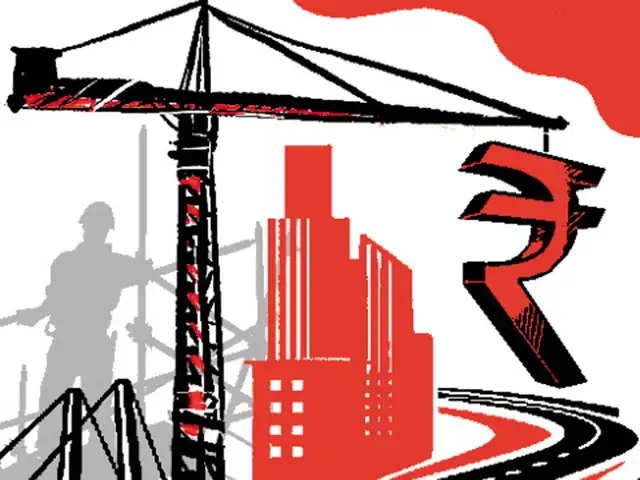
The Interim Budget, to be followed by a full one in July, is expected to project economic growth at around 7.5 per cent for the next financial year, while expanding capital spending on railways, roads, ports by 7-8 per cent, and estimating a 15 per cent increase in revenues, PTI reported quoting sources.
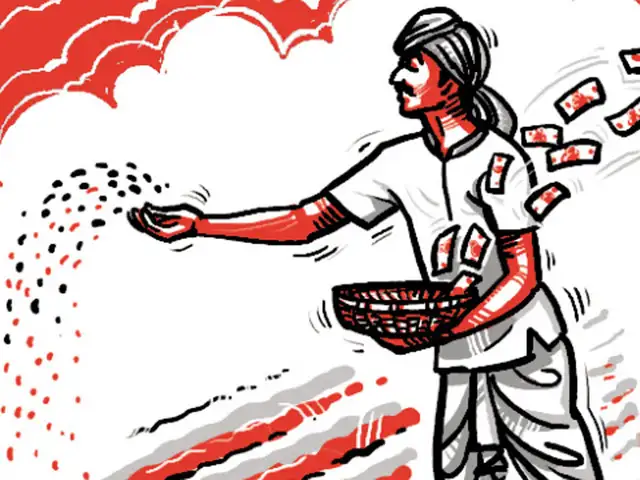
But the main focus of the Budget will be on the rural sector and urban middle-class. The government is likely to announce relief measures for farmers, benefits for unemployed youth and dole out higher tax exemptions for the middle class and small businesses, the PTI report said.
According to ICICI Securities, as the thrust of spending moves towards revenue expenditure in the form of farm relief or tax relief for the economically weaker sections (EWS) of society, capex growth is likely to remain stagnant. The spending pattern of the government going ahead would augur well for consumption stocks with large rural footprint, while it will be negative for stocks driven by hopes of capex revival.
CLSA believes the impact on capex will be even greater if a farmer support scheme is implemented.
At the same time, 31 stocks – all smallcaps – managed to more than double investor wealth with Vikas Proppant & Granite rallying 708 per cent, followed by Darjeeling Ropeway (up 572 per cent), Dolat Investment (up 515 per cent), Orient Tradelink (up 376 per cent), Bullish Bonds and Holdings (up 349 per cent) and Tiaan Ayurvedic & Herbs (up 302 per cent).
Among others, Bio Green Papers, Responsive Industries, Punjab Alkalies, Merck, Sukama Exports, Kilitch Drugs, IOL Chemicals, Scan Steels, Birla Cable, Dalal Street Investments and Sadhana Nitro Chem surged between 100 and 225 per cent.
The past 12 months was highly volatile for the Indian equity market amid global trade war, winding up of soft money policy by central banks, wild movement in crude oil prices, rupee depreciation, default by a leading NBFC player, sustained outflow by foreign institutional investors and state elections. Second-run stocks witnessed severe selling pressure all through this phase.
The BSE Midcap index has cracked 16 per cent, while BSE Smallcap index plunged 26 per cent since last Union Budget. Among top losers, Global Infratech, Ashapura Intimates Fashion, Sunstar Realty, Yamini Investments, Tara Jewels, Kwality, Rolta India, Sunil Hitech Engineers, IL&FS Transportation, LEEL Electricals, Punj Lloyd, Talwalkars Better Value Fitness and Vakrangee are down between 85 per cent and 97 per cent in this period.
In the 30-share Sensex pack, 11 stocks created wealth for investors since February 1, 2018. Bajaj Finance rallied the most at 50 per cent, followed by Infosys, Reliance Industries, Hindustan Unilever, Tata Consultancy Services, Asian Paints, Axis Bank , Kotak Mahindra Bank, ICICI Bank, HCL
ADVERTISEMENT
Technologies and HDFC Bank, which rose between 2 per cent and 27 per cent.
With a fall of 56 per cent, Tata Motors was the worst loser in the Sensex pack. Other prominent losers included YES Bank, Vedanta, Tata Steel, Bharti Airtel, Maruti Suzuki, Hero MotoCorp, ONGC and Bajaj Auto, which cracked over 25 per cent each.
NSE’s Nifty plunged 3.31 per cent to 10,651 on January 30, 2019 from 11,016 on February 1, 2018.
Inflows from domestic investors capped the downside over the past 12 months as foreign portfolio investors offloaded shares worth around Rs 5,000 crore. DIIs infused over Rs 1,10,000 crore in the same period.
ADVERTISEMENT
Sectorwise, the BSE Telecom index has tanked the most at 34 per cent since last Budget. The BSE Realty, Metals, Auto, Power, Capital Goods and Oil & Gas indices lost 32 per cent, 30 per cent, 30 per cent, 20 per cent, 17 per cent and 17 per cent, respectively.
BSE IT, TECk and FMCG indices advanced 19 per cent, 8.28 per cent and 6.37 per cent, respectively.
ADVERTISEMENT
There are many questions doing the rounds. What shape will the government's farm relief package take, if any? And what about its fiscal discipline? Can the ruling party resist the temptation of going the populist way in an election year? What about capex revival?
Some of the leading brokerages have given their verdict and projections. Let's check them out.
The big buzz







Piyush Goyal, India’s interim finance minister, will present the interim Budget on February 1, in the absence of Finance Minister Arun Jaitley, who is currently undergoing treatment in the US.
The Interim Budget, to be followed by a full one in July, is expected to project economic growth at around 7.5 per cent for the next financial year, while expanding capital spending on railways, roads, ports by 7-8 per cent, and estimating a 15 per cent increase in revenues, PTI reported quoting sources.
But the main focus of the Budget will be on the rural sector and urban middle-class. The government is likely to announce relief measures for farmers, benefits for unemployed youth and dole out higher tax exemptions for the middle class and small businesses, the PTI report said.
According to ICICI Securities, as the thrust of spending moves towards revenue expenditure in the form of farm relief or tax relief for the economically weaker sections (EWS) of society, capex growth is likely to remain stagnant. The spending pattern of the government going ahead would augur well for consumption stocks with large rural footprint, while it will be negative for stocks driven by hopes of capex revival.
CLSA believes the impact on capex will be even greater if a farmer support scheme is implemented.
Too busy to trade in stocks? Invest in Mutual Funds with ET Money!
Bookmark or read stories offline -
Download ET Markets APP
Download ET Markets APP
ADVERTISEMENT


