Budget 2017: PEs feel long term capital pain
Currently, income arising from the transfer of long-term capital assets such as stocks is exempted from tax if the sale transaction took place on or after October 1, 2004.

BCCL
MUMBAI: Private equity funds and holders of stock options could be landed with a hefty tax bill going by budget provisions aimed at plugging a black money loophole. Those who acquired shares in unlisted companies after October 1, 2004, will have to pay 10% long-term capital gains tax if they hadn't paid securities transaction tax (STT) at the time of purchase.
Currently, income arising from the transfer of long-term capital assets such as stocks is exempted from tax if the sale transaction took place on or after October 1, 2004. STT, which was introduced that year, typically applies to listed stocks.
"It has been noticed that exemption provided under section 10(38) is being misused by certain persons for declaring their unaccounted income as exempt long-term capital gains by entering into sham transactions," according to the budget said. "With a view to prevent this abuse, it is proposed to amend section 10(38)."
Shares acquired in an initial or follow-on public offer or bonus or rights issues will be exempted.
To be sure, the finance ministry may clarify its position, but for now there is trepidation that a potent incentive that has helped fuel India's startup economy could be undermined.
"An unintended consequence of this rule is to potentially place an onerous tax burden on ESOPs--which represent the most powerful wealth-creation instrument that cash-strapped startups use to motivate employees--when their shares are sold post-listing," Gopal Srinivasan, chairman of the India Venture Capital Association (IVCA).
The lobby group plans to pursue the matter with the ministry.
"IVCA intends to dialogue with the MoF (ministry of finance) on this matter and ensure that the exclusion notification covers all transactions related to Sebi-registered VC/PE (venture capital/private equity) funds," he said. Sebi (Securities and Exchange Board of India) is the market regulator.
Fund managers are awaiting further clarification on whether the rules will apply across the board.
Vivek Gupta, partner, BMR Advisors, said: "Almost all PE investors will be affected due to this."
Some experts said the move wasn't overly harsh.
"This would largely impact all equity transactions, particularly private equity, which took place after 2004," said Shailesh Haribhakti, founder, Baker Tilly DHC. "In any case, 10% is a reasonable rate compared to normal long-term capital gains rate. Indexation will be applicable from 2001."
Between 2004 and 2015, venture capital and private equity firms invested over $103 billion in more than 3,100 Indian companies across 12 major sectors, ranging from startups to mature and mid-size companies, experts said.
Private equity investors have been under pressure to deliver returns through listings or secondary sales. Muted capital markets till now did not allow such investors to seek an exit through initial public offers. However, with the recent turnaround in fortunes, that's expected to change.
Harish HV, partner and head private equity advisory services at global consulting firm Grant Thornton, said, "This is a huge blow to the PE investors who have been battling currency depreciation and slowing businesses."
Such a provision may get drawn into legal disputes, experts argued. "One needs to see whether such a retroactive measure could be legally challenged," said Punit Shah, partner, Dhruva Advisors.
Shah said the new rules will apply to all domestic investors, including promoters of unlisted Indian companies. "They would acquire shares either by subscription or in the form of any group restructuring and would not pay STT at the time of acquisition. But now they may have to pay long-term capital gains tax on exit even after listing of such shares," he said.
Among those that have issued ESOPs are the country's most valuable startups--Flipkart, Ola, Snapdeal as well as other unicorns like Zomato, Quikr. On an average every startup would have 5-10 % of its equity base reserved for ESOPs.
Another announcement, hidden in the fine print, is the aim to collect more tax if shares of an unlisted company are sold below the fair value. This may impact private equity investors who often sell stocks of closely-held companies to other financial investors. For instance, if a share, purchased at Rs 100 is sold for Rs 150, the 20% tax on long-term capital gains would be Rs 10 per share.
But not if the taxman thinks that the fair value of the share is higher than Rs 150 - say, Rs 170. Here, the tax would be 20% on Rs 70 (and not Rs 50) - thus, raising the tax outgo to Rs 14 (instead of Rs 10) a share.
Currently, income arising from the transfer of long-term capital assets such as stocks is exempted from tax if the sale transaction took place on or after October 1, 2004. STT, which was introduced that year, typically applies to listed stocks.
"It has been noticed that exemption provided under section 10(38) is being misused by certain persons for declaring their unaccounted income as exempt long-term capital gains by entering into sham transactions," according to the budget said. "With a view to prevent this abuse, it is proposed to amend section 10(38)."
Shares acquired in an initial or follow-on public offer or bonus or rights issues will be exempted.
To be sure, the finance ministry may clarify its position, but for now there is trepidation that a potent incentive that has helped fuel India's startup economy could be undermined.
"An unintended consequence of this rule is to potentially place an onerous tax burden on ESOPs--which represent the most powerful wealth-creation instrument that cash-strapped startups use to motivate employees--when their shares are sold post-listing," Gopal Srinivasan, chairman of the India Venture Capital Association (IVCA).
ADVERTISEMENT
The lobby group plans to pursue the matter with the ministry.
"IVCA intends to dialogue with the MoF (ministry of finance) on this matter and ensure that the exclusion notification covers all transactions related to Sebi-registered VC/PE (venture capital/private equity) funds," he said. Sebi (Securities and Exchange Board of India) is the market regulator.
Fund managers are awaiting further clarification on whether the rules will apply across the board.
Vivek Gupta, partner, BMR Advisors, said: "Almost all PE investors will be affected due to this."
ADVERTISEMENT
Some experts said the move wasn't overly harsh.
"This would largely impact all equity transactions, particularly private equity, which took place after 2004," said Shailesh Haribhakti, founder, Baker Tilly DHC. "In any case, 10% is a reasonable rate compared to normal long-term capital gains rate. Indexation will be applicable from 2001."
ADVERTISEMENT
Between 2004 and 2015, venture capital and private equity firms invested over $103 billion in more than 3,100 Indian companies across 12 major sectors, ranging from startups to mature and mid-size companies, experts said.
Private equity investors have been under pressure to deliver returns through listings or secondary sales. Muted capital markets till now did not allow such investors to seek an exit through initial public offers. However, with the recent turnaround in fortunes, that's expected to change.
Harish HV, partner and head private equity advisory services at global consulting firm Grant Thornton, said, "This is a huge blow to the PE investors who have been battling currency depreciation and slowing businesses."
Such a provision may get drawn into legal disputes, experts argued. "One needs to see whether such a retroactive measure could be legally challenged," said Punit Shah, partner, Dhruva Advisors.
Shah said the new rules will apply to all domestic investors, including promoters of unlisted Indian companies. "They would acquire shares either by subscription or in the form of any group restructuring and would not pay STT at the time of acquisition. But now they may have to pay long-term capital gains tax on exit even after listing of such shares," he said.
Among those that have issued ESOPs are the country's most valuable startups--Flipkart, Ola, Snapdeal as well as other unicorns like Zomato, Quikr. On an average every startup would have 5-10 % of its equity base reserved for ESOPs.
Another announcement, hidden in the fine print, is the aim to collect more tax if shares of an unlisted company are sold below the fair value. This may impact private equity investors who often sell stocks of closely-held companies to other financial investors. For instance, if a share, purchased at Rs 100 is sold for Rs 150, the 20% tax on long-term capital gains would be Rs 10 per share.
But not if the taxman thinks that the fair value of the share is higher than Rs 150 - say, Rs 170. Here, the tax would be 20% on Rs 70 (and not Rs 50) - thus, raising the tax outgo to Rs 14 (instead of Rs 10) a share.
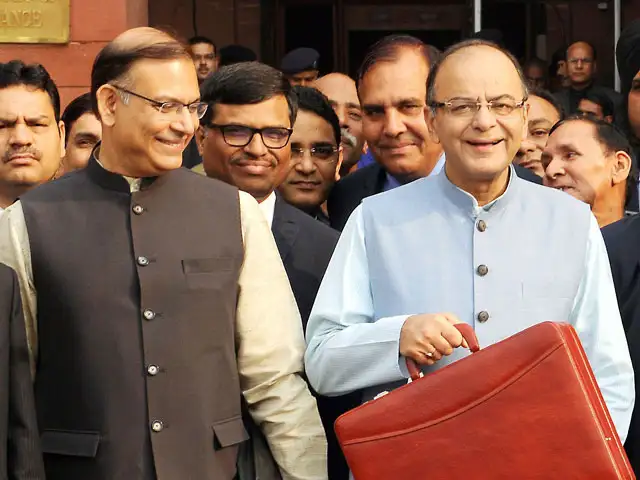
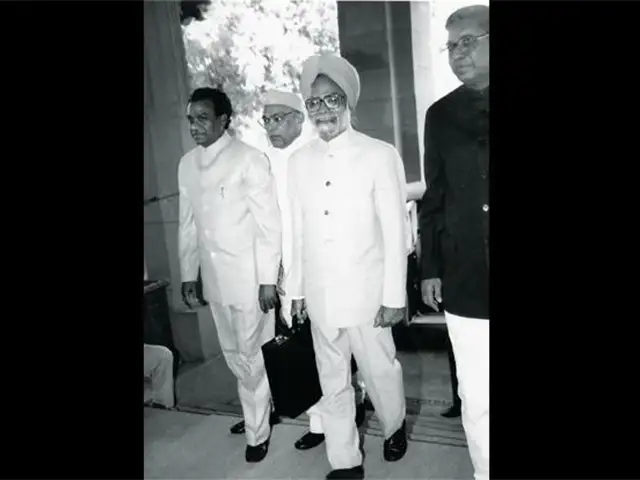
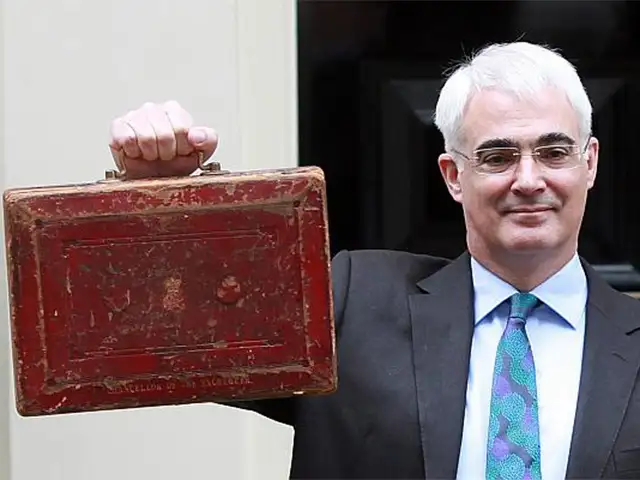
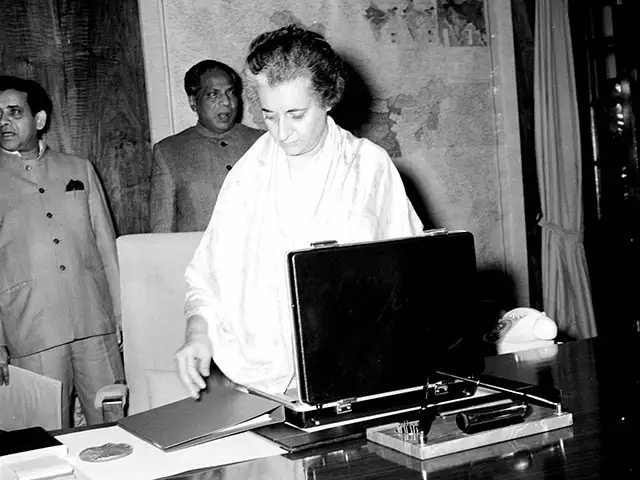
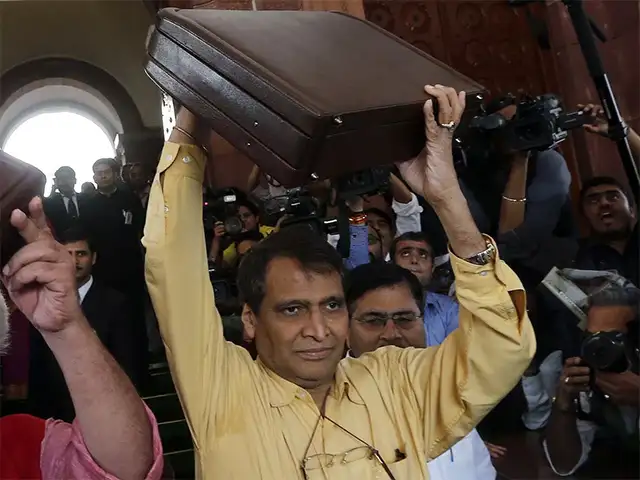
It's a colonial ritual to carry a briefcase on the budget day. This is probably the most notable throwback of the entire practice of budget - the word 'budget is derived from the Middle English word 'bowgette', which came from 'bougette' which means a leather bag in French.

Too busy to trade in stocks? Invest in Mutual Funds with ET Money!
Bookmark or read stories offline -
Download ET Markets APP
Download ET Markets APP
ADVERTISEMENT


