3 money lessons we have all learnt from the Covid crisis
A diversified set of income sources is always helpful. A household needs multiple earning members pursuing different jobs in different sectors; it needs investments that will generate an income when needed.
By Uma Shashikant, ET CONTRIBUTORS | Updated:

Getty Images
When a crisis hits, savings and assets alone will save you, they say. The covid crisis got us all last year. So how did those affected the most manage? Let me tell you a bunch of stories I have heard from people I know.
A 50-year old working for the government decided to quit his job and focus on his passion for music. An accomplished musician, his events sold out as soon as they were announced. He built an orchestra of his own, bringing together unknown artistes. They played at weddings and functions at large hotels, and toured the world.
He quit his job after much thought. His employers could not support hisfconcerts that paid him in multiples of his monthly salary. He waited to be eligible for pension and then quit. After the pandemic, his orchestra has disintegrated; there are no concerts; the hotels have all shut down; his income from performances has been nothing for over a year. The pension is enough to meet the basic expenses. But his savings are all invested in property that he refuses to sell.
A 30-year-old woman set up a catering business that grew quickly to become an event management business. She networked with many suppliers and vendors to enable herself to conduct weddings and ceremonies for her clients. She was delighted that her business needed no capital and could be funded with advances. Competition ate into margins, but she was working the bigger league due to her reputation. Covid grounded her. Post covid events with less than a 100 guests are too small to make money.
Her assistants have returned to their villages; her suppliers and vendors are in dire straits; she has been drawing on her savings. She had left the money in her bank deposits as she had no time to consider investment choices. She loved to spend what she earned on clothes, jewellery, travel and entertaining. She has a bunch of insurance policies and wryly tells me she is still alive for any of them to matter. She will run out of her savings in a couple of months and is too depressed to think of a Plan B.
A 40-year-old businessman thought the pandemic won’t affect him. They had been running dealerships for white goods and cars for generations in a small town. His wife quit her job to be a dormant director of his business. Hugely respected and well connected with the locals, he did not see a threat to his business. He also surmised that people who spent less on eating out and entertainment will use their savings to renew their home and cars.
He did not see how sharply the supply chains would be hit. He had no new stocks to sell. He did not know when new stocks would be available. To customers he regretted that deliveries will be delayed. His money was all tied up in his business. He did not see why he must invest outside his business when his returns were higher and controls greater in his own dealerships. He always needed working capital anyway.
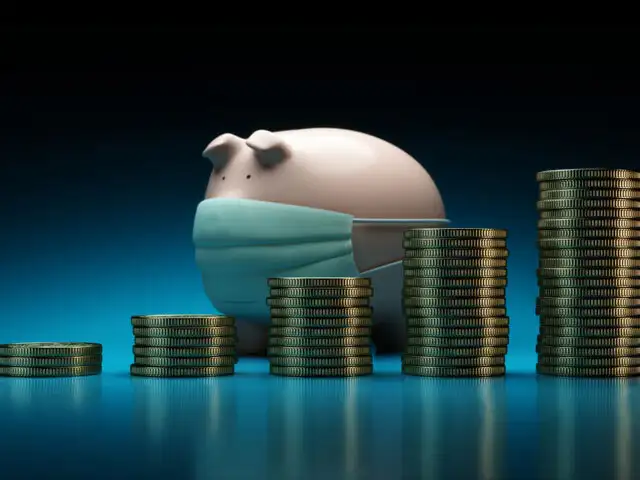
Such are the stories of the pandemic. Of people who have lost their sources of income unexpectedly. For periods much longer than they expected. The economic impact we speak about is to the revenue and livelihood of many such people, and the others who depend on them. There is no revenue to pay salaries; no supplies or stocks to meet demand; no orders or advances to manage payments. Those who still hold their jobs should consider themselves lucky. For they have their assets and their income. The assets come under stress when the income turns risky. Here are some pointers to think about:
First, a diversified set of income sources is always helpful. A household needs multiple earning members pursuing different jobs in different sectors; it needs investments that will generate an income when needed; it needs assets that will earn a rent, a dividend, or an interest income. To diversify is to think beyond holding multiple stocks or assets, in terms of income and its risk.
Second, assets must have some value, and a ready market to realise that value at a reasonable cost and in a limited time frame. Designer cars or clothes, jewellery or white goods, do not qualify. Financial assets may hold market risks. The prices of stocks fell in response to the pandemic. They have since risen again, and the market for selling these assets is still alive and well. Never underestimate the value of a marketable financial asset in your portfolio.
Third, much as you love an asset, concentrating your savings in them might be detrimental during crises. Money locked into land and property is not easily realised in a crisis. The knowledge about a desperate seller is enough to send prices down. Money invested in one’s own business suffers extreme concentration risks when the business goes down.
Assets will be helpful during a crisis only if they have been created with respect for fundamental principles of investing: allocated across asset classes for growth and for income; created to generate an alternate source of adequate income if all else fails; diversified across various asset classes and types to protect from simultaneous loss of value; and are liquid, marketable and realisable at fair value at reasonable cost and time.
Many of us do not put our assets to these tests. We focus too much on earning money and devote much less time and energy to thinking about saving and investing. As long as the income is flowing, we don’t care much for money idling in the bank. Or about money invested in assets that are chunky and tough to sell. We make these decisions carelessly either because we have no time, or because we think as long as some asset has been created it will all be fine.
In a few years we may forget the covid pandemic. We may refer to it not with apprehension but with relief. The money lessons about assets might also be lost, and we may return to our old habits. But if we knew and experienced the stories of scramble and scarcity, we will remain scarred. We will change our habits. Crises are like that. They teach many with a severe life changing blow.
(The writer is Chairperson, Centre for Investment Education and Learning)
A 50-year old working for the government decided to quit his job and focus on his passion for music. An accomplished musician, his events sold out as soon as they were announced. He built an orchestra of his own, bringing together unknown artistes. They played at weddings and functions at large hotels, and toured the world.
He quit his job after much thought. His employers could not support hisfconcerts that paid him in multiples of his monthly salary. He waited to be eligible for pension and then quit. After the pandemic, his orchestra has disintegrated; there are no concerts; the hotels have all shut down; his income from performances has been nothing for over a year. The pension is enough to meet the basic expenses. But his savings are all invested in property that he refuses to sell.
A 30-year-old woman set up a catering business that grew quickly to become an event management business. She networked with many suppliers and vendors to enable herself to conduct weddings and ceremonies for her clients. She was delighted that her business needed no capital and could be funded with advances. Competition ate into margins, but she was working the bigger league due to her reputation. Covid grounded her. Post covid events with less than a 100 guests are too small to make money.
Her assistants have returned to their villages; her suppliers and vendors are in dire straits; she has been drawing on her savings. She had left the money in her bank deposits as she had no time to consider investment choices. She loved to spend what she earned on clothes, jewellery, travel and entertaining. She has a bunch of insurance policies and wryly tells me she is still alive for any of them to matter. She will run out of her savings in a couple of months and is too depressed to think of a Plan B.
A 40-year-old businessman thought the pandemic won’t affect him. They had been running dealerships for white goods and cars for generations in a small town. His wife quit her job to be a dormant director of his business. Hugely respected and well connected with the locals, he did not see a threat to his business. He also surmised that people who spent less on eating out and entertainment will use their savings to renew their home and cars.
ADVERTISEMENT
He did not see how sharply the supply chains would be hit. He had no new stocks to sell. He did not know when new stocks would be available. To customers he regretted that deliveries will be delayed. His money was all tied up in his business. He did not see why he must invest outside his business when his returns were higher and controls greater in his own dealerships. He always needed working capital anyway.
Not just the pandemic itself but also the slow recovery seems to have impacted small businesses the most. Family-run businesses fall under this category and have taken a hit too. To make matters worse, such firms are staring at yet another year of losses and depressed sales. While such a business keeps its hope alive for a revival, what can it do to stay afloat? Here are 5 lessons one can learn from this personal finance experience.

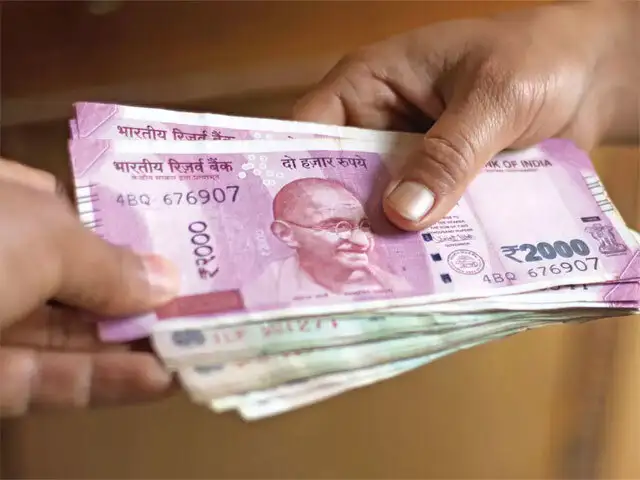



Such are the stories of the pandemic. Of people who have lost their sources of income unexpectedly. For periods much longer than they expected. The economic impact we speak about is to the revenue and livelihood of many such people, and the others who depend on them. There is no revenue to pay salaries; no supplies or stocks to meet demand; no orders or advances to manage payments. Those who still hold their jobs should consider themselves lucky. For they have their assets and their income. The assets come under stress when the income turns risky. Here are some pointers to think about:
First, a diversified set of income sources is always helpful. A household needs multiple earning members pursuing different jobs in different sectors; it needs investments that will generate an income when needed; it needs assets that will earn a rent, a dividend, or an interest income. To diversify is to think beyond holding multiple stocks or assets, in terms of income and its risk.
Second, assets must have some value, and a ready market to realise that value at a reasonable cost and in a limited time frame. Designer cars or clothes, jewellery or white goods, do not qualify. Financial assets may hold market risks. The prices of stocks fell in response to the pandemic. They have since risen again, and the market for selling these assets is still alive and well. Never underestimate the value of a marketable financial asset in your portfolio.
ADVERTISEMENT
Third, much as you love an asset, concentrating your savings in them might be detrimental during crises. Money locked into land and property is not easily realised in a crisis. The knowledge about a desperate seller is enough to send prices down. Money invested in one’s own business suffers extreme concentration risks when the business goes down.
Assets will be helpful during a crisis only if they have been created with respect for fundamental principles of investing: allocated across asset classes for growth and for income; created to generate an alternate source of adequate income if all else fails; diversified across various asset classes and types to protect from simultaneous loss of value; and are liquid, marketable and realisable at fair value at reasonable cost and time.
ADVERTISEMENT
Many of us do not put our assets to these tests. We focus too much on earning money and devote much less time and energy to thinking about saving and investing. As long as the income is flowing, we don’t care much for money idling in the bank. Or about money invested in assets that are chunky and tough to sell. We make these decisions carelessly either because we have no time, or because we think as long as some asset has been created it will all be fine.
In a few years we may forget the covid pandemic. We may refer to it not with apprehension but with relief. The money lessons about assets might also be lost, and we may return to our old habits. But if we knew and experienced the stories of scramble and scarcity, we will remain scarred. We will change our habits. Crises are like that. They teach many with a severe life changing blow.
(The writer is Chairperson, Centre for Investment Education and Learning)
(Disclaimer: The opinions expressed in this column are that of the writer. The facts and opinions expressed here do not reflect the views of www.economictimes.com.)
Too busy to trade in stocks? Invest in Mutual Funds with ET Money!
Bookmark or read stories offline -
Download ET Markets APP
Download ET Markets APP
Related Articles
 5 personal finance lessons from Budget 2021
ADVERTISEMENT


