Yerba santa: The magical Californian shrub that can help treat Alzheimer's
Native Californian tribes use this shrub to treat respiratory ailments, fever and headaches.
By PTI |
Getty Images
WASHINGTON: A shrub, used by native Californian tribes to treat respiratory ailments, fever and headaches, contains a potent chemical which could help treat Alzheimer's disease, a study claims.
The medicinal powers of aspirin, digitalis, and the anti-malarial artemisinin all come from plants.
The research, published in the journal Redox Biology, shows a that the treatment for Alzheimer's disease may also be found in nature.
"Because age is a major risk factor, researchers are looking at ways to counter ageing's effects on the brain," said Pamela Maher, a scientist at Salk Institute in the US.
"Our identification of sterubin as a potent neuroprotective component of a native California plant called Yerba santa (Eriodictyon californicum) is a promising step in that direction," Maher said.
Yerba santa (Eriodictyon californicum)
ADVERTISEMENT
Native California tribes, which dubbed the plant "holy herb" in Spanish, have long used Yerba santa for its medicinal properties.
Devotees brew its leaves to treat respiratory ailments, fever and headaches; and mash it into a poultice for wounds, sore muscles and rheumatism.
To identify natural compounds that might reverse neurological disease symptoms, Maher applied a screening technique used in drug discovery to a commercial library of 400 plant extracts with known pharmacological properties.
The lab had previously used this approach to identify other chemicals (called flavonoids) from plants that have anti-inflammatory and neuroprotective properties.
ADVERTISEMENT
Through the screen, the lab identified a molecule called sterubin as Yerba santa's most active component.
Plastic-Eating Enzymes And Other Accidental Discoveries That Changed The World
1/7
After scientists accidentally created mutant plastic-eating enzymes, we look at other unintentional discoveries that changed the world.
(Text: Shannon Tellis)
After scientists accidentally created mutant plastic-eating enzymes, we look at other unintentional discoveries that changed the world.
(Text: Shannon Tellis)
In the 1950s, pacemakers were large, television-sized machines that were temporarily attached to patients from the outside. Thankfully, a technical mistake by Wilson Greatbatch changed everything. While working on an os cillator to record heart sounds, he accidentally installed a 1-megaohm resistor instead of the 10,000-ohm variety. When the prototype started giving off a rhythmic electrical pulse very similar to the human heart, Greatbatch realised the device could be placed in someone’s chest to help their heart beat. He refined the device and was awarded a patent two years later.
In the 1950s, pacemakers were large, television-sized machines that were temporarily attached to patients from the outside. Thankfully, a technical mistake by Wilson Greatbatch changed everything. Wh..
Read More
This popular soft drink actually started as a medicine for morphine addicts. Post the American Civil War, pharmacist John Pemberton invented a recipe made from coca leaves and coca wines to combat his addiction to morphine. It was also marketed as an opium-free painkiller. When legislative prohibition hit a year later, Pemberton came up with a non-alcoholic version that became the beverage we know today. The first sales were at Jacob’s Pharmacy in Atlanta, Georgia, where it was as a patent medicine for five cents.
This popular soft drink actually started as a medicine for morphine addicts. Post the American Civil War, pharmacist John Pemberton invented a recipe made from coca leaves and coca wines to combat hi..
Read More
If you’ve ever reached out for these colourful sticky notes, you have 3M employee Arthur Fry to thank. In 1968, an employee was trying to develop a strong adhesive, but accidentally created a weaker one instead. Not knowing what to do with it, he abandoned the project. It was only six years later, when Fry needed a light adhesive to attach bookmarks to his church hymn book, that the idea for post-its was born. While the company was initially sceptical about the product’s use, they were launched in 1980 and are now sold in more than 100 countries.
If you’ve ever reached out for these colourful sticky notes, you have 3M employee Arthur Fry to thank. In 1968, an employee was trying to develop a strong adhesive, but accidentally created a weaker ..
Read More
While attempting to create an artificial quinine to treat malaria in 1856, teenage student William Perkins discovered a new colour while oxidising anilines (a colourless aromatic oil derived from coal tar).
He successfully isolated the purplish colour, creating the world’s first synthetic dye — mauveine.
While attempting to create an artificial quinine to treat malaria in 1856, teenage student William Perkins discovered a new colour while oxidising anilines (a colourless aromatic oil derived from coa..
Read More
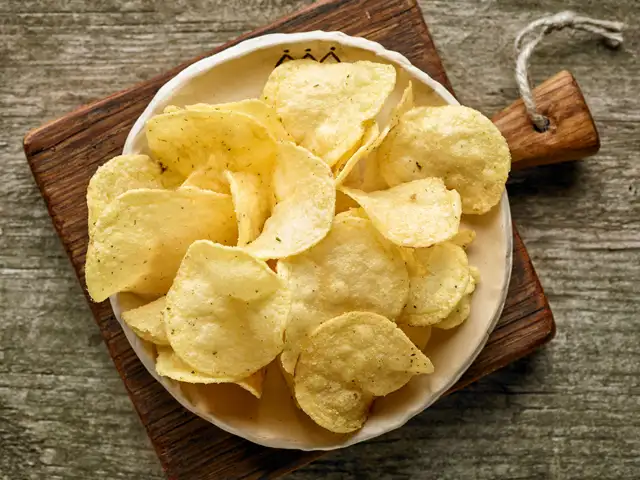
Fed up with a fussy customer who kept sending his fried potatoes back because they weren’t crunchy enough, New England chef George Crum is said to have sliced potatoes as finely as possible and salted them heavily in an attempt to make them inedible. To his surprise, the customer loved the deep-fried chips and asked for a second serving. The ‘Saratoga Chips’ became so popular that were soon mass-produced for home consumption.
Fed up with a fussy customer who kept sending his fried potatoes back because they weren’t crunchy enough, New England chef George Crum is said to have sliced potatoes as finely as possible and salte..
Read More
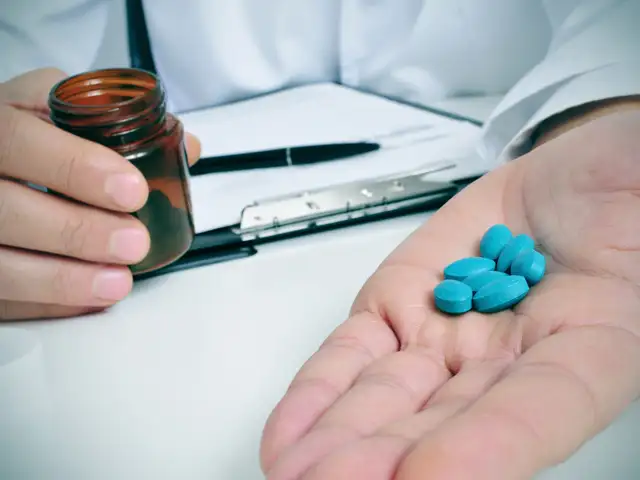
Strangely enough, this heart-attack inducing pill was invented during an experiment to prevent heart attacks. In the early 1990s, pharmaceutical giant Pfizer was testing sildenafil as a drug to treat angina (chest pain caused due to restriction of blood vessels). Midway through the trials, they realised that test subjects refused to return the pills because it helped their sex drive. And thus, the infamous little blue pill was born.
Strangely enough, this heart-attack inducing pill was invented during an experiment to prevent heart attacks. In the early 1990s, pharmaceutical giant Pfizer was testing sildenafil as a drug to treat..
The researchers tested sterubin and other plant extracts for their impact on energy depletion in mouse nerve cells, as well as other age-associated neurotoxicity and survival pathways directly related to the reduced energy metabolism, accumulation of misfolded, aggregated proteins and inflammation seen in Alzheimer's.
ADVERTISEMENT
Sterubin had a potent anti-inflammatory impact on brain cells known as microglia. It was also an effective iron remover -- potentially beneficial because iron can contribute to nerve cell damage in aging and neurodegenerative diseases.
Overall, the compound was effective against multiple inducers of cell death in the nerve cells, according to Maher.
"This is a compound that was known but ignored. Not only did sterubin turn out to be much more active than the other flavonoids in Yerba santa in our assays, it appears as good as, if not better than, other flavonoids we have studied," she said.
Next, the lab plans to test sterubin in an animal model of Alzheimer's, then determine its drug-like characteristics and toxicity levels in animals.
With that data, Maher said, it might be possible to test the compound in humans, although it would be critical to use sterubin derived from plants grown under standardised, controlled conditions.
She said the team will likely generate synthetic derivatives of sterubin.
Did You Know That Peepal Is An Excellent Remedy For Skin Ailments? Here Are Other Benefits Of The Plant
1/6
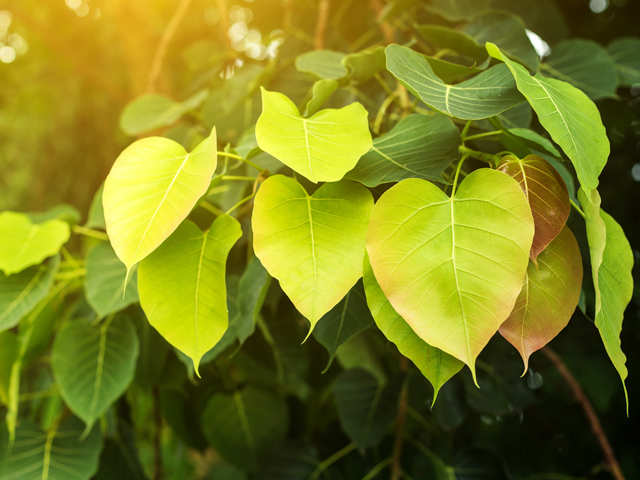
According to the science of Ayurveda, every part of the Peepal tree - the leaf, bark, shoot, seeds and fruit has several medicinal benefits.
Peepal tree leaves contain glucose, asteriod and mennos, phenolic, while its bark is rich in vitamin K, tanins and phaetosteroline.
Also known as the sacred fig tree, Peepal is a storehouse of medicinal value and is used to treat many ailments and diseases, ranging from asthma and skin diseases, to kidney and various blood-related problems.
According to the science of Ayurveda, every part of the Peepal tree - the leaf, bark, shoot, seeds and fruit has several medicinal benefits.
Peepal tree leaves contain glucose, asteriod and mennos, ..
Read More
A great remedy for tooth decay is a mixture of Peepal and Banyan tree barks.
Take barks of both the trees in equal quantity and mix them well. Boil the mixture in hot water and use it for rinsing the mouth.
A great remedy for tooth decay is a mixture of Peepal and Banyan tree barks.
Take barks of both the trees in equal quantity and mix them well. Boil the mixture in hot water and use it for rinsing th..
Read More
Applying the milk of Peepal leaves on the eyes helps relieve them of pain.
Applying the milk of Peepal leaves on the eyes helps relieve them of pain.
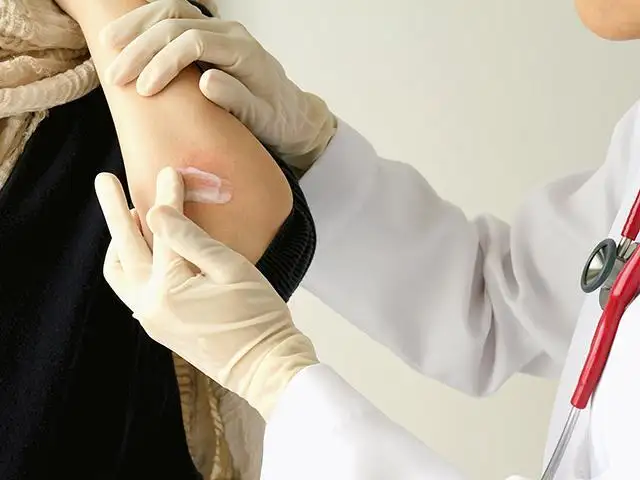
The soft leaves of Peepal help cure itching and other skin diseases.
For eczema itching: Take 50 gm of the Peepal bark ash and add lime and ghee to form a paste. Apply this paste on affected areas.
Cracked Heels: Apply Peepal leaf extracts or the milk of the leaf on cracked hands and heels for best results.
The soft leaves of Peepal help cure itching and other skin diseases.
For eczema itching: Take 50 gm of the Peepal bark ash and add lime and ghee to form a paste. Apply this paste on affected areas.
..
Read More
The bark of the Peepal plant and its ripe fruits are extremely helpful for asthma.
Make a powder of the bark and fruits separately and then mix them in equal quantities. Consume this mixture thrice a day for relief.
The bark of the Peepal plant and its ripe fruits are extremely helpful for asthma.
Make a powder of the bark and fruits separately and then mix them in equal quantities. Consume this mixture thrice ..
Read More
Peepal leaves are extremely beneficial when it comes to stomach ailments.
For stomach pain: Make a paste of 2.5 leaves and mix with 50 grams jaggery. Make small tablets of the mixture and consume them 3-4 times a day.
For constipation: Including 5-10 fruits of the Peepal plant in your daily diet will cure the problem permanently.
Peepal leaves are extremely beneficial when it comes to stomach ailments.
For stomach pain: Make a paste of 2.5 leaves and mix with 50 grams jaggery. Make small tablets of the mixture and consume th..












 Quote of the day by Terry Pratchett: 'It occurred to me that at one point it was like I had two diseases - one was Alzheimer's, and the other was knowing I had Alzheimer's', the British author's heartbreaking quote on awareness and suffering2026-06-22T11:04:22Z

