World's first robot citizen attends conference in India; makers reveal Sophia can draw now
Fashioned after Audrey Hepburn, Sophia mesmerised the world when she was activated in 2016.
By PTI |

Agencies
NEW DELHI: She is fashioned after Audrey Hepburn, can walk, talk and emote too. And now, Sophia, the world's first robot citizen who came calling here this week, can also draw sketches, contextualise a conversation and attach faces with names, say its makers.
The delicate looking woman robot with doe-brown eyes and long fluttering eyelashes, who mesmerised the world when she was activated in 2016, is getting smarter by the day.
Sophia, dressed in a black skirt and a grey metallic shirt, was part of several industrial and social robots, including 'Professor Einstein', exhibited at the 28th IEEE Conference on Robot and Human Interactive Communication (RO-MAN2019) here.
The four-day conference, from October 14-17, was held in the Indian subcontinent for the first time, the organisers said.
“Sophia is improving on a weekly basis you can say... the way she is understanding our expressions, our commands, those are really changing,” said Amit Kumar Pandey, president and CTO of the Hong Kong-based Hanson Robotics which developed Sophia.
“The latest skill that she has acquired is the ability to draw. She can look at you and create a sketch. These abilities have been acquired based on inputs from artists. If you smile she knows it,” Pandey, also one of the organisers of the event, told PTI.
The robot is known for human-like appearance and behaviour compared to previous robotic variants.
Her human-like qualities were in evidence at the conference, interacting with visitors and answering questions. Asked "How are you today?", Sophia replied with a conversational, "I am pretty good, thank you."
And when asked whether she could draw anything on paper, she responded with a counter question, "if you could do anything in the world, what will it be?"
“If you mention Sophia, she knows you are talking about her and not any random Sophia. She can even attach faces with names. There are improvements in the hardware as well and it is an ongoing process,” he said.
According to Pandey, Sophia's skills are only constrained by humans due to ethical and social regulations.
“Sophia is a perfect amalgamation of science, technology and arts. A lot of arts and aesthetics have gone into creating her. She has around 60 motors in just the head. She can mimic almost all human facial expressions,” he said.
Sophia, he added, has developed a better understanding of the context in which a thing happens or in which something is said.
“If you say something she will remember it and when you say something new she will contextualise it,” he said.
Sophia does all this using social intelligence, which is a domain between human intelligence and artificial intelligence (AI), he said.
According to the organisers, social robots help humans in healthcare, education and entertainment in addition to other fields of life.
“Children can engage with robots while learning to play or doing their homework, for example, in a more human-like manner as compared to other screen-based devices like laptops and smartphones,” Pandey said.
One of the oldest international conferences in Robotics, the event hosted a series of technical talks, special sessions, workshops, tutorials, exhibitions and awards function.
The theme for this year's conference was “Responsible Robotics and AI for the Real World".
World renowned scientists, researchers, and robots from more than 30 countries gathered in New Delhi to present and discuss global advancements in robotics and the societal impact in Indian context.
“It has been a very successful event so far. Around 300 papers have been presented and accepted here,” said Prakash Chanderlal Ambwani, head of Software Engineering – Smart Machines at Tata Consultancy Services (TCS) in Noida.
“The objective was to bring researchers and industry people involved in robotics from across the world under one roof and showcase their work,” Ambwani, who is also in the organising team, told PTI.
He said India has the talent and skills in the field and about 50-60 papers selected at the event where from India.
“The response has been overwhelming. There are several institutes like IIT Delhi, IIT Chennai, and IIT Kanpur which are co-chairing the conference,” he said.
The organisers emphasised that social robots like Sophia and Professor Einstein are finding immediate applications in healthcare, elderly care, and elsewhere.
Professor Einstein is the first personal robot from Hanson Robotics, which was born out of a lifelong fascination with all things Einstein -- and the values the German-born theoretical physicist who developed the theory of relativity stood for.
“In Japan robots are helping people in almost all walks of life. Children are also learning from them in a fun-loving manner,” said Ambwani.
He noted that many jobs are not suitable for humans -- working in mines and sewers which are causing human deaths for instance.
“Robots can amplify human performance. We can work alongside them. Robots can also enable disabled or elderly carry out day-to-day tasks such shifting, lifting etc,” he said.
According to Pandey, efforts are being made to make Ro-MAN, which has a very rich history, a venue for multidisciplinary research in the fast "robotically-developing" regions like Indian subcontinent, and to bridge the different communities and create mutually beneficial R&D collaboration platforms across continents.
He believes that this year's Ro-MAN will facilitate much-needed cross-disciplinary collaboration and the creation of bigger ecosystems by bridging academics, industry, end users, policy makers, thereby ensuring meaningful societal impact.
The delicate looking woman robot with doe-brown eyes and long fluttering eyelashes, who mesmerised the world when she was activated in 2016, is getting smarter by the day.
Sophia, dressed in a black skirt and a grey metallic shirt, was part of several industrial and social robots, including 'Professor Einstein', exhibited at the 28th IEEE Conference on Robot and Human Interactive Communication (RO-MAN2019) here.
The four-day conference, from October 14-17, was held in the Indian subcontinent for the first time, the organisers said.
“Sophia is improving on a weekly basis you can say... the way she is understanding our expressions, our commands, those are really changing,” said Amit Kumar Pandey, president and CTO of the Hong Kong-based Hanson Robotics which developed Sophia.
“The latest skill that she has acquired is the ability to draw. She can look at you and create a sketch. These abilities have been acquired based on inputs from artists. If you smile she knows it,” Pandey, also one of the organisers of the event, told PTI.
ADVERTISEMENT
The robot is known for human-like appearance and behaviour compared to previous robotic variants.
Her human-like qualities were in evidence at the conference, interacting with visitors and answering questions. Asked "How are you today?", Sophia replied with a conversational, "I am pretty good, thank you."
And when asked whether she could draw anything on paper, she responded with a counter question, "if you could do anything in the world, what will it be?"
ADVERTISEMENT
Pandey noted that the responses by Sophia, named the UNDP's first ever Innovation Champion and the first non-human to be given any UN title, are now more intelligent than ever.“If you mention Sophia, she knows you are talking about her and not any random Sophia. She can even attach faces with names. There are improvements in the hardware as well and it is an ongoing process,” he said.
ADVERTISEMENT
In 2017, Sophia made international headlines after becoming a full citizen of Saudi Arabia, the first robot in the world to achieve such a status.According to Pandey, Sophia's skills are only constrained by humans due to ethical and social regulations.
“Sophia is a perfect amalgamation of science, technology and arts. A lot of arts and aesthetics have gone into creating her. She has around 60 motors in just the head. She can mimic almost all human facial expressions,” he said.
Sophia, he added, has developed a better understanding of the context in which a thing happens or in which something is said.
“If you say something she will remember it and when you say something new she will contextualise it,” he said.
Sophia does all this using social intelligence, which is a domain between human intelligence and artificial intelligence (AI), he said.
According to the organisers, social robots help humans in healthcare, education and entertainment in addition to other fields of life.
“Children can engage with robots while learning to play or doing their homework, for example, in a more human-like manner as compared to other screen-based devices like laptops and smartphones,” Pandey said.
One of the oldest international conferences in Robotics, the event hosted a series of technical talks, special sessions, workshops, tutorials, exhibitions and awards function.
The theme for this year's conference was “Responsible Robotics and AI for the Real World".
World renowned scientists, researchers, and robots from more than 30 countries gathered in New Delhi to present and discuss global advancements in robotics and the societal impact in Indian context.
“It has been a very successful event so far. Around 300 papers have been presented and accepted here,” said Prakash Chanderlal Ambwani, head of Software Engineering – Smart Machines at Tata Consultancy Services (TCS) in Noida.
“The objective was to bring researchers and industry people involved in robotics from across the world under one roof and showcase their work,” Ambwani, who is also in the organising team, told PTI.
He said India has the talent and skills in the field and about 50-60 papers selected at the event where from India.
“The response has been overwhelming. There are several institutes like IIT Delhi, IIT Chennai, and IIT Kanpur which are co-chairing the conference,” he said.
The organisers emphasised that social robots like Sophia and Professor Einstein are finding immediate applications in healthcare, elderly care, and elsewhere.
Professor Einstein is the first personal robot from Hanson Robotics, which was born out of a lifelong fascination with all things Einstein -- and the values the German-born theoretical physicist who developed the theory of relativity stood for.
“In Japan robots are helping people in almost all walks of life. Children are also learning from them in a fun-loving manner,” said Ambwani.
He noted that many jobs are not suitable for humans -- working in mines and sewers which are causing human deaths for instance.
“Robots can amplify human performance. We can work alongside them. Robots can also enable disabled or elderly carry out day-to-day tasks such shifting, lifting etc,” he said.
According to Pandey, efforts are being made to make Ro-MAN, which has a very rich history, a venue for multidisciplinary research in the fast "robotically-developing" regions like Indian subcontinent, and to bridge the different communities and create mutually beneficial R&D collaboration platforms across continents.
He believes that this year's Ro-MAN will facilitate much-needed cross-disciplinary collaboration and the creation of bigger ecosystems by bridging academics, industry, end users, policy makers, thereby ensuring meaningful societal impact.
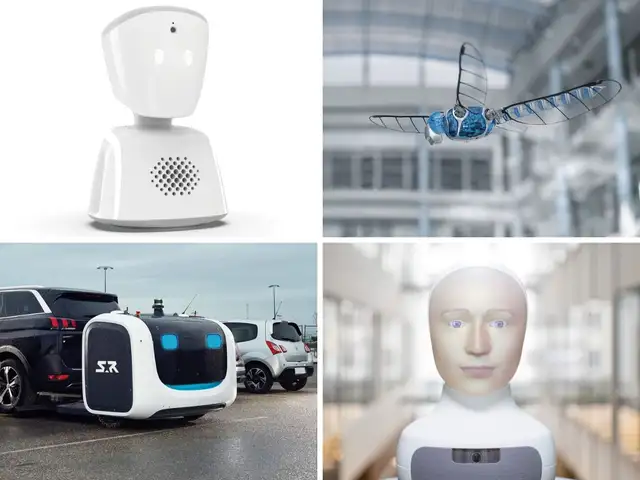
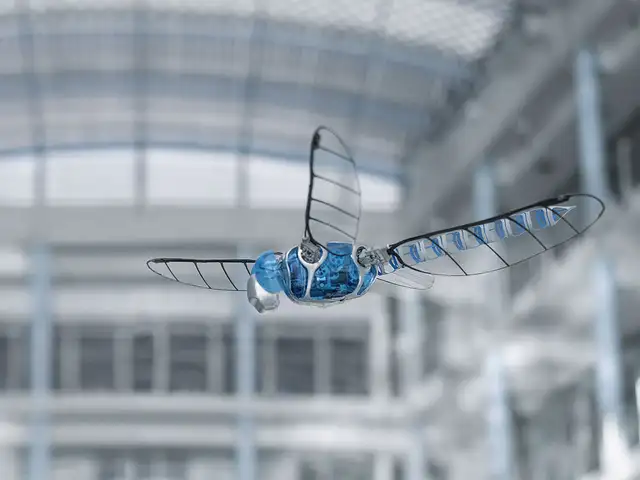
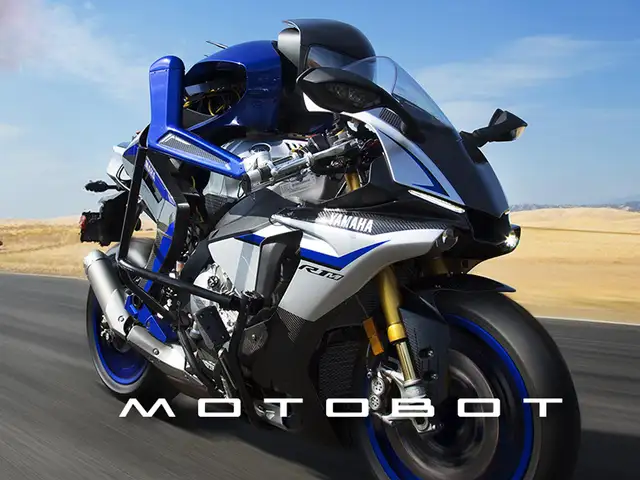
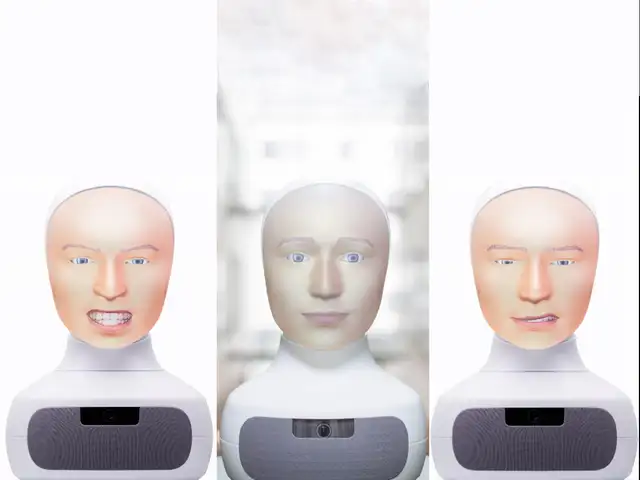
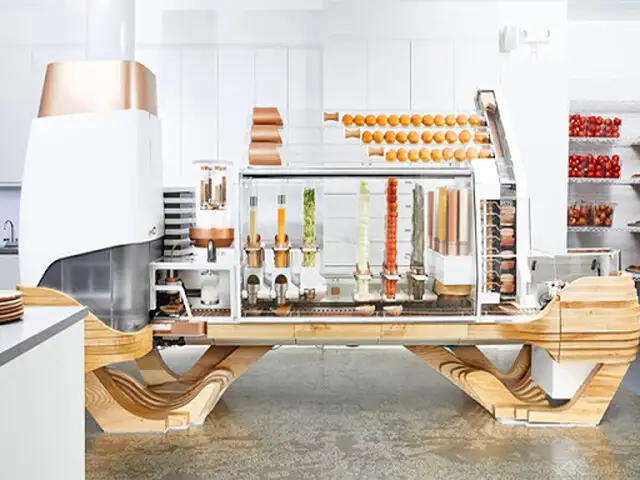
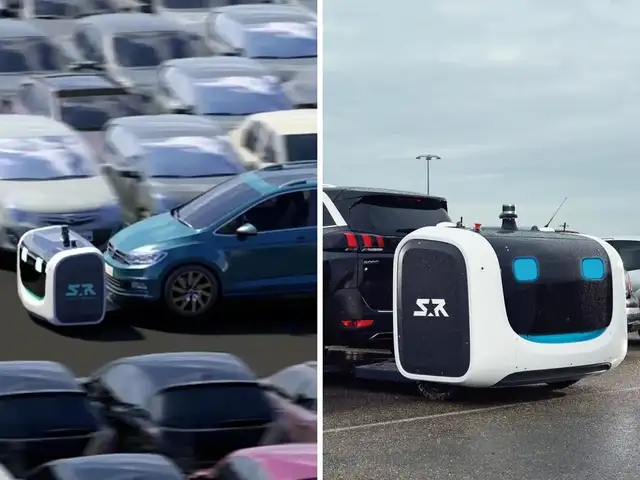
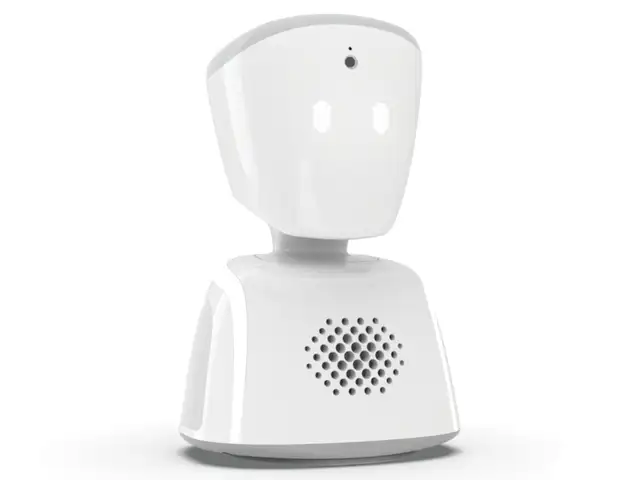
While the robotic revolution is making a splash around the world, here are a few that aim to make life easier, simulate human emotions and take us closer to the future. While the robotic revolution is making a splash around the world, here are a few that aim to make life easier, simulate human emotions and take us closer to the future.

Download
The Economic Times Business News App for the Latest News in Business, Sensex, Stock Market Updates & More.
The Economic Times Business News App for the Latest News in Business, Sensex, Stock Market Updates & More.
ADVERTISEMENT


