World Pneumonia Day: Don't ignore minor signs; visit a doctor if sharp chest pain, dry cough persist
Lata Mangeshkar is suffering from pneumonia along with left ventricular failure.
By ET CONTRIBUTORS |
Getty Images
Healthy habits will keep your immune system strong, reducing the risk of pneumonia.
By Dr Nimish Shah
Legendary singer Lata Mangeshkar was admitted to a Mumbai hospital on Monday after she complained of breathlessness. The 90-year-old is suffering from pneumonia, and is currently on ventilator, according to the doctors treating her. On World Pneumonia Day, we tell you everything about the condition.
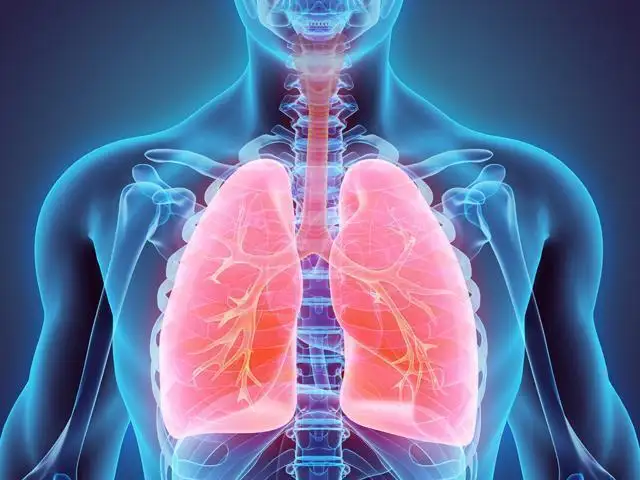
Lungs, the primary organ for oxygenation, are the vital organs of our body and are made up of small balloon-like units which contain air. They transfer the oxygen to body and exhale the CO2 with circulating blood. A human lung contains approximately 400 million alveoli, compactly arranged in our thorax.
Pneumonia is a type of respiratory infection which is associated with fever, cough, shortness of breath and chest pain at times. This condition takes some time to develop. In pneumonia, the air-filled sacs are filled with pus and fluid, resulting in improper oxygenation and making it difficult to breathe.
According to consensus of WHO published in 2016, pneumonia is the most common infectious cause of death in the world and is the fourth most common among all causes of death. Though pneumonia can affect all ages, children and adults over the age of 65 years, people with pre-existing lung diseases and those who smoke or drink come under the risk group.
Constant exposure to contaminated air and frequent aspiration of nasopharyngeal flora make lungs susceptible to infectious microorganisms. The occurrence of pneumonia is decided on the complex interactions between virulence and quantum of aspirated or inhaled microorganisms that reach the lung.
ADVERTISEMENT
Smoker and drinkers are also vulnerable to pneumonia. According to the causative organisms, pneumonia can be classified as bacterial, viral, parasitic, fungal and aspiration. According to radiological pattern and part of the lung involved, it can be classified as bronchopneumonia, lobar pneumonia and interstitial pneumonia. The typical signs that accompanies any pneumonia are:
Fever
Cough mostly productive with mucoid, purulent or blood-tinged sputum. However, it can be dry and non-productive
Chest pain like a sharp stabbing is experienced
While doing the normal daily routine, shortness of breath is observed
Other symptoms include fatigue, headache, myalgia, and arthralgia, confusion, delirium
The physical findings also vary from patient to patient and mainly depend on the severity of lung infection. People having severe infection usually have higher respiratory rate, accessory muscle of respiration being used, fall in blood pressure, altered mental status and deranged organ functions ( respiratory, kidney and liver failure).
There is a relatively poorer prognosis than young adults observed in patients older than 60 years or younger than four years of age. Antibiotic resistance, presence of comorbidities like diabetes, hypertension, and neurological disorders like stroke or seizures, alcoholic liver disease, tobacco chewing add to the risk of having a severe infection.
As aptly said, prevention is always better than cure. There are certain things we can do to avoid getting pneumonia. These can be classified as follows:
ADVERTISEMENT
Promoting healthy habits that keep immune system strong
Good hygiene also helps
Avoid smoking
Wash hands often with warm or soapy water
Alcohol-based hand sanitisers should be used
Exposure to people who are ill whenever possible should be avoided
Get enough rest and have a balanced diet
Avoid pollution and overly crowded places
Taking appropriate antibiotics or antivirals for the duration as prescribed by the doctor
Avoid self-medicating and purchasing antibiotics over the counter
Using annual dose of influenza vaccine for the at-risk group
Children less than five years and elderly older than 65 should be vaccinated for pneumococcal vaccine
A patient presenting in the early stage of the disease has a far better prognosis than those who present later in the course of the disease. The awareness amongst the masses regarding the signs and symptoms of pneumonia can help patients suspect and present to the physician at an earlier point in the course of the disease.
(The author is Consultant of Respiratory Medicine at Jaslok Hospital and Research Centre)
World No Tobacco Day: Smoking Can Hurt Eyes, Bones And Brain
1/10
Most smokers believe smoking is cool. No matter how you indulge in it, tobacco is harmful to your health. Tobacco contains over 7,000 toxins and 70 known carcinogens (chemicals that increase cancer risk) and can damage nearly every organ of the body.
Dr Sachin Kumar, Senior Consultant - Pulmonology at Sakra World Hospital explains how smoking affects every part of your body.
The next time you are tempted to take a drag, just pause for a minute and think of the consequences of your indulgence.
Most smokers believe smoking is cool. No matter how you indulge in it, tobacco is harmful to your health. Tobacco contains over 7,000 toxins and 70 known carcinogens (chemicals that increase cancer r..
Read More
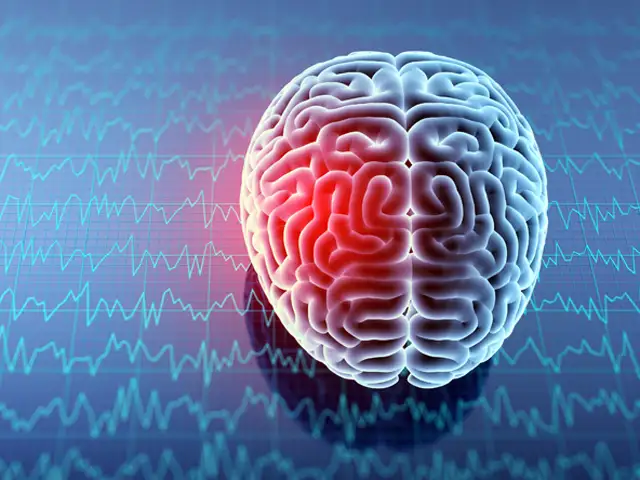
Smoking usually helps smokers relax on a short-term basis. But, it comes at a huge price in the long-term. Smoking results in addiction and anxiety. It alters the brain chemistry and can increase the risk of stroke.
Smoking usually helps smokers relax on a short-term basis. But, it comes at a huge price in the long-term. Smoking results in addiction and anxiety. It alters the brain chemistry and can increase the..
Read More
Cancer of mouth and throat is common among smokers. In addition, smoking can also result in gum disease, premature tooth loss, discolouration of teeth, etc.
Cancer of mouth and throat is common among smokers. In addition, smoking can also result in gum disease, premature tooth loss, discolouration of teeth, etc.
Lung cancer, one of the leading causes of death in the world, develops due to smoking. Chronic Obstructive Pulmonary Disease which causes difficulty in breathing is another common cause of death among smokers. Chronic Bronchitis, the inflammation of the bronchial tubes which also results in difficulty in breathing, is caused primarily due to smoking.
Smoking also increases the risk of other infections like pneumonia, tuberculosis, etc.
Lung cancer, one of the leading causes of death in the world, develops due to smoking. Chronic Obstructive Pulmonary Disease which causes difficulty in breathing is another common cause of death amon..
Read More
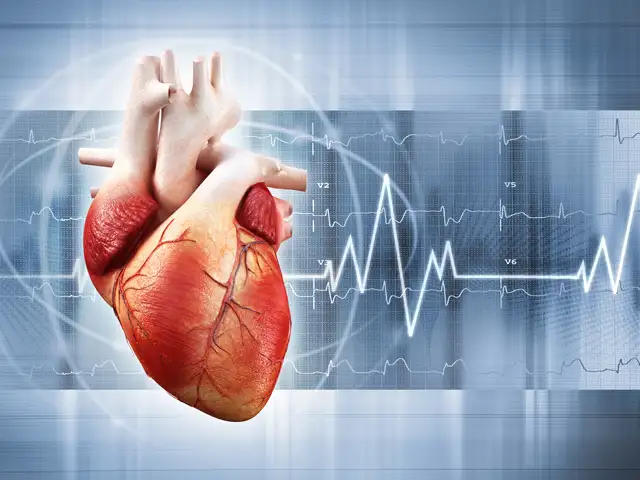
Smoking is one of the leading causes for heart diseases. Regular smokers, as well as second-hand/passive smokers, are at high risk of heart disease.
Tobacco also contributes to heart conditions by reducing the good cholesterol (HDL) and increasing the bad cholesterol (LDL and Triglycerides) in the body.
Smoking is one of the leading causes for heart diseases. Regular smokers, as well as second-hand/passive smokers, are at high risk of heart disease.
Tobacco also contributes to heart conditions by r..
Read More
In men, smoking can result in abnormality of sperm, impotence, erectile dysfunction and prostate cancer.
In women, smoking can result in infertility, miscarriage, early menopause, and cervical and ovarian cancer.
Smoking can impact the future generation, and can lead to physical deformities and sudden infant deaths.
In men, smoking can result in abnormality of sperm, impotence, erectile dysfunction and prostate cancer.
In women, smoking can result in infertility, miscarriage, early menopause, and cervical and ..
Read More
Smoking increases the risk of eye-related problems like stinging, excessive tearing, glaucoma and cataract. It can result in partial or total blindness if untreated.
Smoking increases the risk of eye-related problems like stinging, excessive tearing, glaucoma and cataract. It can result in partial or total blindness if untreated.
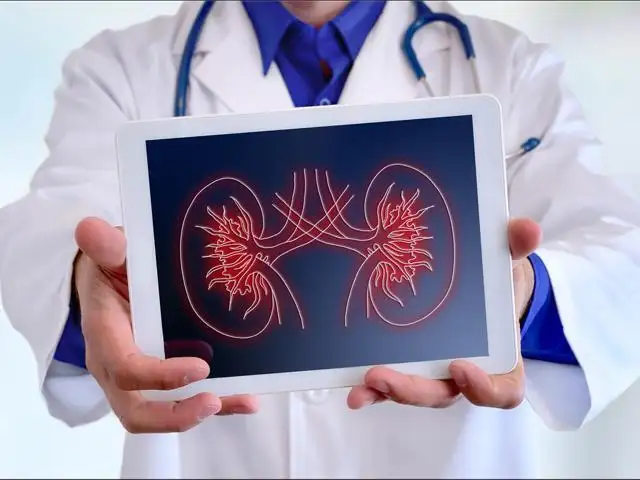
The kidney's main function is to clear the toxic wastes from our body. But, smoking does exactly the opposite.
It increases the chances of kidney failure, bladder cancer and other urinary tract-related problems.
The kidney's main function is to clear the toxic wastes from our body. But, smoking does exactly the opposite.
It increases the chances of kidney failure, bladder cancer and other urinary tract-rela..
Read More
Bones provide structure to the body. Due to the toxins present in tobacco, smoking can result in osteoporosis (weakening of the bones), increasing the risk of hip fracture, spine-related problems, bone marrow cancer and also rheumatoid arthritis.
In addition to the above-mentioned problems, tobacco can also result in premature ageing, hair loss, weak immunity etc.
Bones provide structure to the body. Due to the toxins present in tobacco, smoking can result in osteoporosis (weakening of the bones), increasing the risk of hip fracture, spine-related problems, bo..
Read More
Smoking reduces appetite. It prevents adequate nutrition to the body which makes the body weak. It can also up the insulin resistance of the body which makes people susceptible to type 2 diabetes. It also has a negative impact on the liver and intestine, and can increase the risk of ulcers in the stomach and intestine.
Smoking reduces appetite. It prevents adequate nutrition to the body which makes the body weak. It can also up the insulin resistance of the body which makes people susceptible to type 2 diabetes. It..
(Disclaimer: The opinions expressed in this column are that of the writer. The facts and opinions expressed here do not reflect the views of www.economictimes.com.)
Business News › Magazines › Panache › World Pneumonia Day: Don't ignore minor signs; visit a doctor if sharp chest pain, dry cough persistText Size:AAA