World Hypertension Day: The silent killer can cause erectile dysfunction
Unlike stroke and heart attack, the correlation between hypertension and sexual health in men is a lesser known fact.
By ET CONTRIBUTORS |

By Dr Aviva Pinto Rodrigues
Do you have a blood spot in your eyes? Do you feel dizzy often? Your body may be signalling the development of something more serious - hypertension. A largely symptomless disease, hypertension attacks one's body silently, also leading to several other health issues like kidney failure, brain damage and heart ailments.
Hypertension has become one of the most significant public health problems and a common lifestyle disease in India. By 2020, it is likely to end up being an epidemic and will affect one third of the world's population, according to recent studies. Though the disease is often noticed at the age of 45 and above, evolving lifestyle choices and rapidly changing socio-economic detriments are primary factors leading to early onset of hypertension. Reduced physical activity, growing levels of stress, higher exposure to pollutants, faulty food habits, and smoking have made people vulnerable to the disease at an early age.
Hypertension increases one's risk of serious health problems like heart attack and stroke. The correlation between hypertension and sexual health in men is a lesser known fact. Uncontrolled hypertension and health problems caused due to that are some of the known causes of male infertility. Hypertension leads to high blood pressure, which damages the lining of blood vessels and causes arteries to harden and narrow down, restricting the flow of blood. Sometimes, this happens in the pelvic region causing decreased blood flow to the penis, and making it difficult to achieve and maintain erections - commonly referred to as erectile dysfunction. The hormonal imbalance associated with hypertension can cause reduced semen volume, sperm motility, total sperm count, and motile sperm count in men leading to infertility.
Though hypertension gets controlled through medication, it was found in a recent study that some of the common drugs used to control high blood pressure, like Spironolactone, affect sperm production or interfere with the sperm's ability to fertilise an egg, decreasing the chances of conception in couples.

Therefore, early detection and lifestyle changes are suggested for effectively dealing with hypertension and for an improved fertility health. If people do have hypertension even after all the lifestyle changes, then they have to take medicines to avoid facing serious consequences.
Some lifestyle changes that can help keep hypertension at bay:
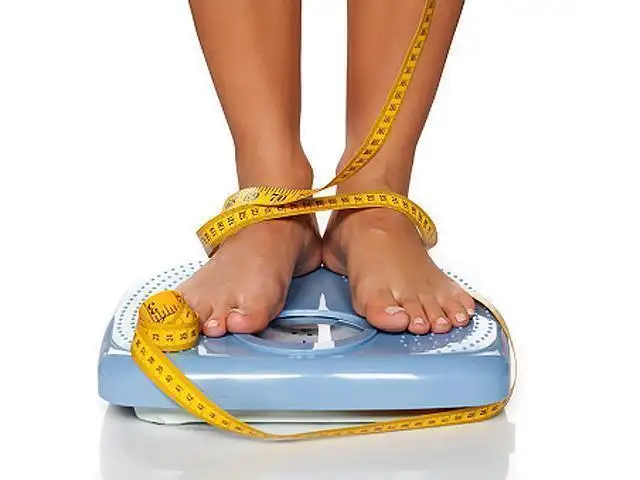
- Managing a healthy body weight and an appropriate waistline is key. In general, the waist measurement should not exceed 40 inches (102 centimetres) for men and 35 inches (89 centimetres) for women.
- Regular exercise or physical activity of 150 minutes a week or about 30 minutes most days of the week can lower blood pressure by about 5 to 8 mm Hg.
- A diet rich in whole grains, fruits, vegetables, and low-fat dairy products is suggested.
- Limit the amount of alcohol consumption and quit smoking.
- Reduce stress or learn to cope with the same through simple de-stress activities.
- Monitor blood pressure and get a regular health check-up done if you are above 35 years of age.
(The author is fertility consultant at Nova IVI Fertility, Bengaluru)
Do you have a blood spot in your eyes? Do you feel dizzy often? Your body may be signalling the development of something more serious - hypertension. A largely symptomless disease, hypertension attacks one's body silently, also leading to several other health issues like kidney failure, brain damage and heart ailments.
Hypertension has become one of the most significant public health problems and a common lifestyle disease in India. By 2020, it is likely to end up being an epidemic and will affect one third of the world's population, according to recent studies. Though the disease is often noticed at the age of 45 and above, evolving lifestyle choices and rapidly changing socio-economic detriments are primary factors leading to early onset of hypertension. Reduced physical activity, growing levels of stress, higher exposure to pollutants, faulty food habits, and smoking have made people vulnerable to the disease at an early age.
Hypertension increases one's risk of serious health problems like heart attack and stroke. The correlation between hypertension and sexual health in men is a lesser known fact. Uncontrolled hypertension and health problems caused due to that are some of the known causes of male infertility. Hypertension leads to high blood pressure, which damages the lining of blood vessels and causes arteries to harden and narrow down, restricting the flow of blood. Sometimes, this happens in the pelvic region causing decreased blood flow to the penis, and making it difficult to achieve and maintain erections - commonly referred to as erectile dysfunction. The hormonal imbalance associated with hypertension can cause reduced semen volume, sperm motility, total sperm count, and motile sperm count in men leading to infertility.
Though hypertension gets controlled through medication, it was found in a recent study that some of the common drugs used to control high blood pressure, like Spironolactone, affect sperm production or interfere with the sperm's ability to fertilise an egg, decreasing the chances of conception in couples.
ADVERTISEMENT
Therefore, early detection and lifestyle changes are suggested for effectively dealing with hypertension and for an improved fertility health. If people do have hypertension even after all the lifestyle changes, then they have to take medicines to avoid facing serious consequences.
Some lifestyle changes that can help keep hypertension at bay:
- Managing a healthy body weight and an appropriate waistline is key. In general, the waist measurement should not exceed 40 inches (102 centimetres) for men and 35 inches (89 centimetres) for women.
- Regular exercise or physical activity of 150 minutes a week or about 30 minutes most days of the week can lower blood pressure by about 5 to 8 mm Hg.
- A diet rich in whole grains, fruits, vegetables, and low-fat dairy products is suggested.
ADVERTISEMENT
- Reducing saturated fat and cholesterol is advised. Even a small reduction of sodium in one's diet is highly recommended for patients with hypertension.- Limit the amount of alcohol consumption and quit smoking.
- Reduce stress or learn to cope with the same through simple de-stress activities.
- Monitor blood pressure and get a regular health check-up done if you are above 35 years of age.
ADVERTISEMENT
(The author is fertility consultant at Nova IVI Fertility, Bengaluru)
(Disclaimer: The opinions expressed in this column are that of the writer. The facts and opinions expressed here do not reflect the views of www.economictimes.com.)
Download
The Economic Times Business News App for the Latest News in Business, Sensex, Stock Market Updates & More.
The Economic Times Business News App for the Latest News in Business, Sensex, Stock Market Updates & More.
Related Articles
 World Hypertension Day: Identifying risks, monitoring high BP, and adopting preventive measures to address this silent killer2024-05-20T09:00:05Z
- World Hypertension Day: Want to be stress-free? Include these 5 food items in your diet2023-05-17T11:25:34Z
- World Hypertension Day: Monitor BP, work-out daily & eat healthy to boost immunity and keep corona at bay2020-05-17T04:30:00Z
Here are expert tips from Dr Santosh Kumar Dora, Senior Cardiologist, Asian Heart Institutes to deal with hypertension effectively:





ADVERTISEMENT


