World Hypertension Day: Monitor BP, work-out daily & eat healthy to boost immunity and keep corona at bay
Chronic health conditions and ageing weaken your immune system, making it difficult to fight off the virus.
By ET CONTRIBUTORS | Updated:

ThinkStock Photos
By Dr Rahul Chhabria
The coronavirus pandemic is wreaking havoc worldwide. All the reports so far have consistently shown that people who suffer from hypertension and other types of comorbidity have a higher risk of severe illness with COVID-19 and a higher chance of dying from it.
What’s the risk?
High blood pressure can increase your risk of severe symptoms if you get COVID-19. The older you are, the higher the risk of high blood pressure and other chronic conditions like:
Few studies from the United States and India have shown that people who die of COVID-19 had around 2-3 of these risk factors. There is no clear-cut reason but various theories have been postulated.
A weaker immune system is one reason people with high blood pressure and other health problems are at higher risk of contracting coronavirus. Long-term health conditions and ageing weaken your immune system making it difficult to fight off the virus. Nearly two-thirds of people over 60 have high blood pressure.
There is a controversy regarding few medicines which are commonly used for treating high blood pressure. Two types of medications usually come up - ACE inhibitors like lisinopril, ramipril, enalapril and benazepril, and ARBs such losartan, telmisartan, olmesartan and valsartan.
Simply put, the virus that causes COVID-19 and these medicines have something in common. They both affect proteins in our bodies known as angiotensin-converting enzyme-2 (ACE2) receptors, which maintain blood pressure. ACE inhibitors and ARBs have been found in animal studies to understand the number of ACE2 receptors we make.
Several researchers and scientists are still trying to learn more about the deadly virus and how it affect the body. A recent study showed that the coronavirus uses these same proteins to enter human cells where they can replicate. On the other hand, few studies have shown contradicting reports that this protein might help fight this virus. Presently, all the major researchers and guidelines have officially released a statement to continue the same medications as before.
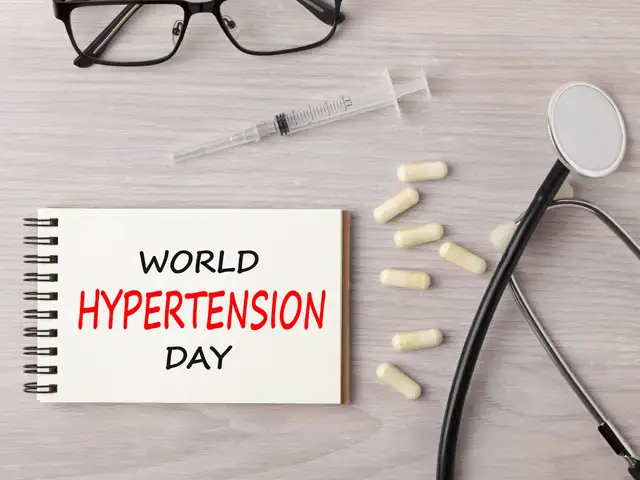
Hypertension is an increasingly important medical and public health issue. As one ages, hypertension becomes almost inevitable. Its prevalence increases with advancing age to the point of being 50 per cent in people 60–69 years of age and approximately 75 percent in those 70 years of age and older. In fact the lifetime risk of developing hypertension is approximately 90 per cent for men and women who were non-hypertensive at 55 or 65 years, respectively.
Here are expert tips from Dr Santosh Kumar Dora, Senior Cardiologist, Asian Heart Institutes to deal with hypertension effectively:
Everyone needs to take precautions to prevent coronavirus. People with high blood pressure and other health conditions need to be extra careful. Here is what is recommended:
(The author is Consultant - Cardiology at Jaslok Hospital and Research Centre, Mumbai)
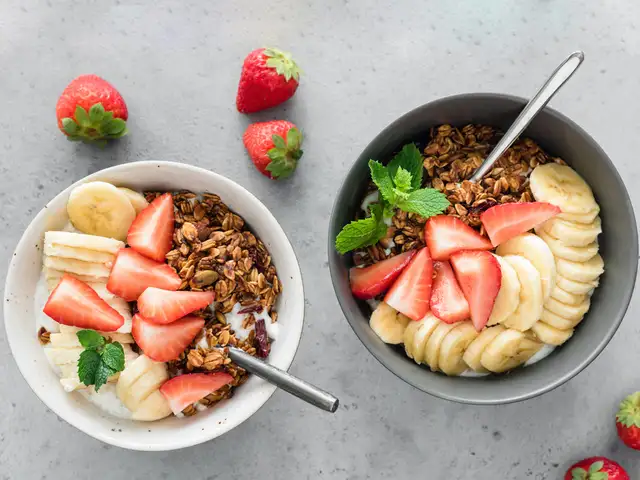
Hypertension has become a modern-day health concern for people with sedentary lifestyle.
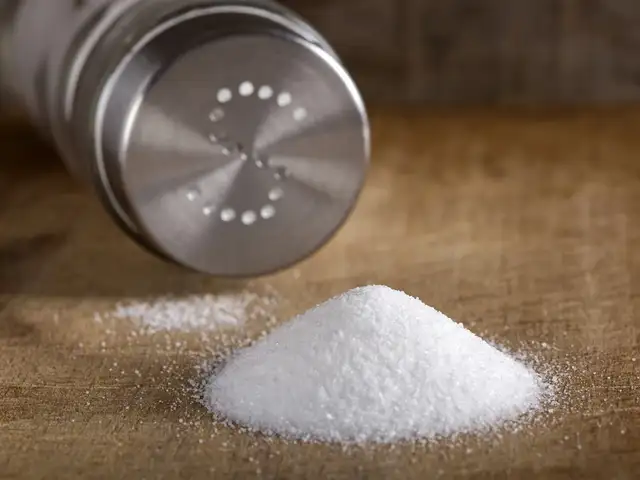
While regular check-ups and physical activities to maintain the soaring blood pressure (BP), one should also ensure a dietary control to stay healthy. Eating a healthy diet, consuming less sodium, reducing alcohol intake, and quitting smoking are some other essential steps people with high BP should follow.
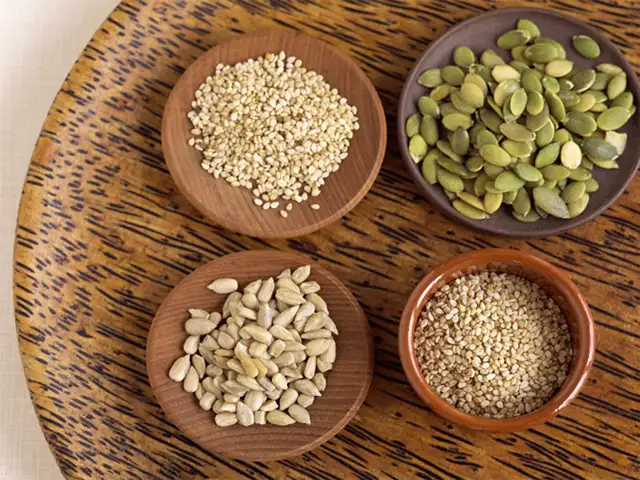
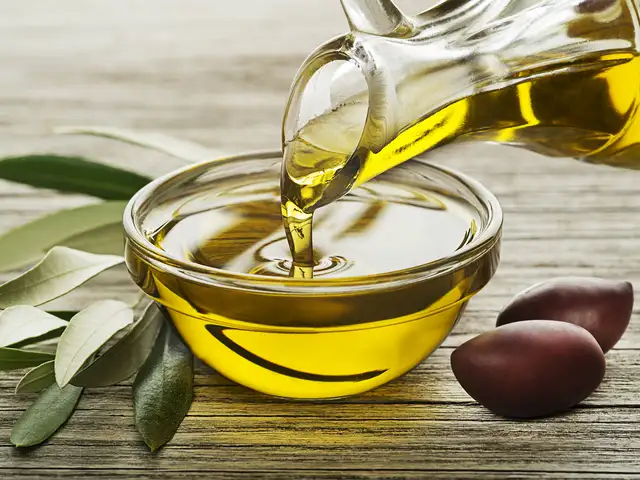
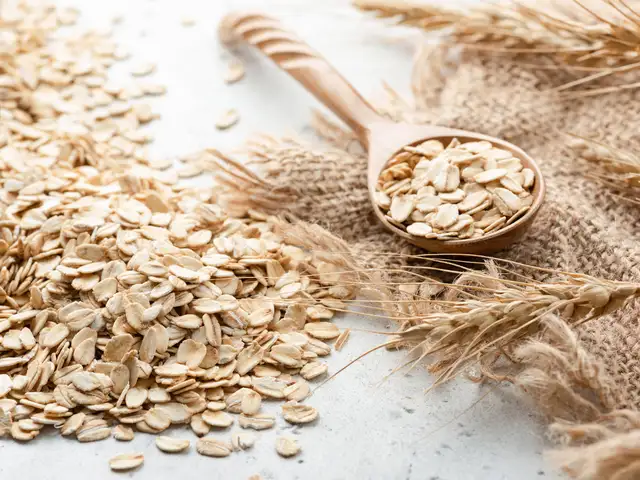
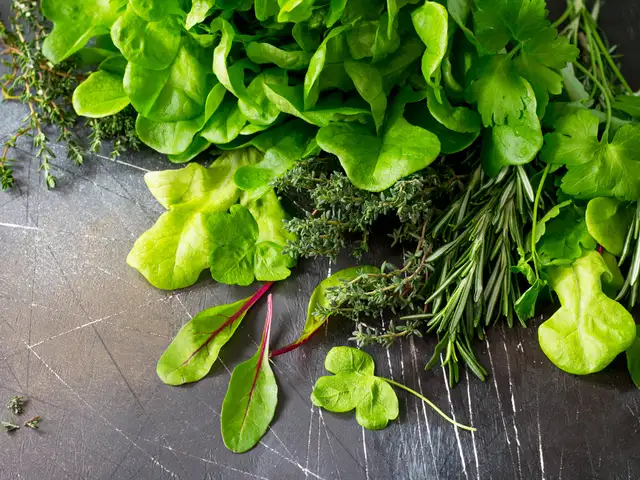
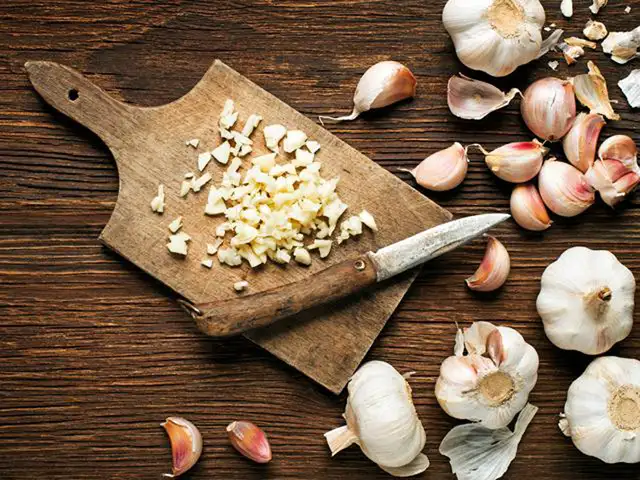
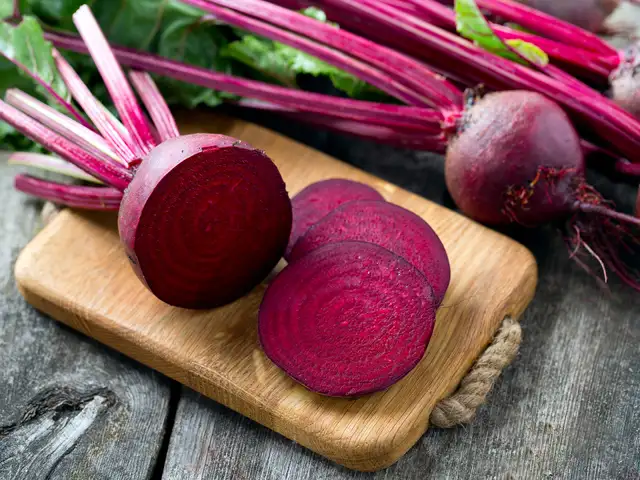
Dr Mayur Jain, Consultant and Interventional Cardiologist at Jaslok Hospital and Research Centre shares a list of superfoods that can help you lower blood pressure.
NOTE: People with kidney problems or any underlying conditions should consult a specialists before changing their diet. It is important to monitor your blood pressure twice a week followed by regular check-up by the doctor.
The coronavirus pandemic is wreaking havoc worldwide. All the reports so far have consistently shown that people who suffer from hypertension and other types of comorbidity have a higher risk of severe illness with COVID-19 and a higher chance of dying from it.
What’s the risk?
High blood pressure can increase your risk of severe symptoms if you get COVID-19. The older you are, the higher the risk of high blood pressure and other chronic conditions like:
- Chronic lung disease and moderate to severe asthma
- Serious heart conditions
- Being immuno-compromised
- Severe obesity (body mass index of 40 or higher)
- Diabetes
- Chronic kidney disease that requires dialysis
- Liver diseases
Few studies from the United States and India have shown that people who die of COVID-19 had around 2-3 of these risk factors. There is no clear-cut reason but various theories have been postulated.
A weaker immune system is one reason people with high blood pressure and other health problems are at higher risk of contracting coronavirus. Long-term health conditions and ageing weaken your immune system making it difficult to fight off the virus. Nearly two-thirds of people over 60 have high blood pressure.
Hypertension is the most common and preventable risk factor for heart attacks, heart failure, stroke, kidney disease, and blockage of leg arteries causing pain and gangrene.
While it is important to follow a healthy lifestyle, one must educate oneself to control hypertension.
One can keep blood pressure (BP) under control with certain changes like eating a healthy diet (fruits/vegetables), working out daily, taking up a weight loss programme, quitting smoking, managing stress with yoga/meditation, and following up on medications and doctor's appointment regularly.
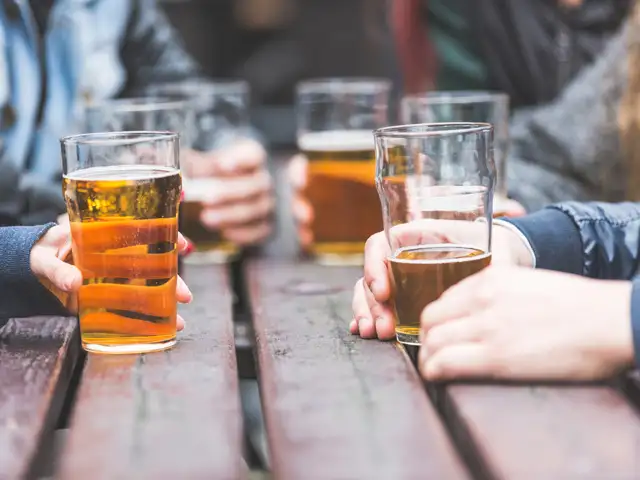
From lowering sodium intake to reducing alcohol intake, Dr Nikesh D Jain, Consultant Cardiologist at Jaslok Hospital and Research Centre, shares facts and myths about hypertension.




ADVERTISEMENT
Should I be worried about blood pressure medications and COVID-19? There is a controversy regarding few medicines which are commonly used for treating high blood pressure. Two types of medications usually come up - ACE inhibitors like lisinopril, ramipril, enalapril and benazepril, and ARBs such losartan, telmisartan, olmesartan and valsartan.
Simply put, the virus that causes COVID-19 and these medicines have something in common. They both affect proteins in our bodies known as angiotensin-converting enzyme-2 (ACE2) receptors, which maintain blood pressure. ACE inhibitors and ARBs have been found in animal studies to understand the number of ACE2 receptors we make.
Several researchers and scientists are still trying to learn more about the deadly virus and how it affect the body. A recent study showed that the coronavirus uses these same proteins to enter human cells where they can replicate. On the other hand, few studies have shown contradicting reports that this protein might help fight this virus. Presently, all the major researchers and guidelines have officially released a statement to continue the same medications as before.
Here are expert tips from Dr Santosh Kumar Dora, Senior Cardiologist, Asian Heart Institutes to deal with hypertension effectively:





ADVERTISEMENT
What should you do?Everyone needs to take precautions to prevent coronavirus. People with high blood pressure and other health conditions need to be extra careful. Here is what is recommended:
- Take your medicines regularly
- Make sure you have enough medicine with you to treat high blood pressure and other health conditions
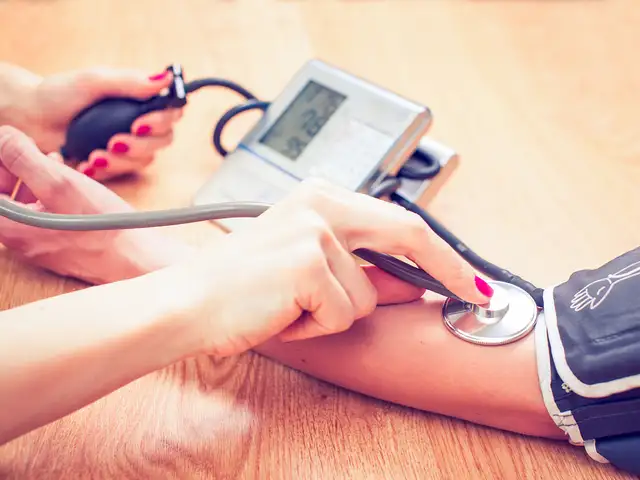
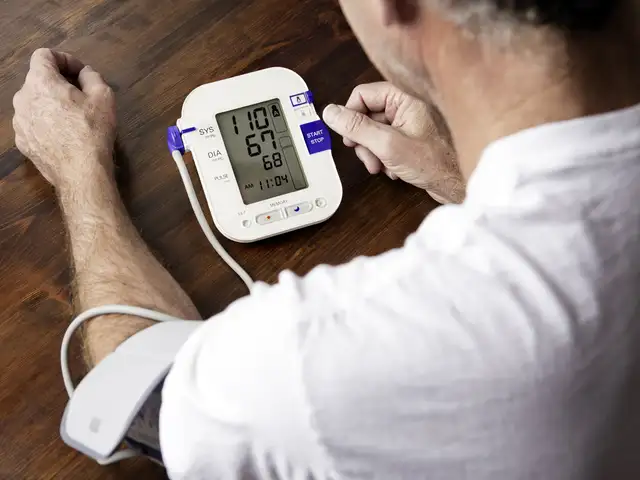
- Keep a check on your blood pressure at home with BP machines at home
- Consult your doctor if your blood pressure is persistently above 140/90 mm Hg
- Stay at home and limit contact with other people as much as you can
- Avoid crowds and anyone who looks sick
- Wash your hands often with soap and warm water
- Clean and disinfect all frequently touched surfaces like counter-tops and doorknobs
- Try to do some form of exercises at home as your daily activity levels have significantly dropped
- Eat healthy food
- Maintain social distancing
- Cover your face with any mask whilst going out of your home
(The author is Consultant - Cardiology at Jaslok Hospital and Research Centre, Mumbai)
While regular check-ups and physical activities to maintain the soaring blood pressure (BP), one should also ensure a dietary control to stay healthy. Eating a healthy diet, consuming less sodium, reducing alcohol intake, and quitting smoking are some other essential steps people with high BP should follow.
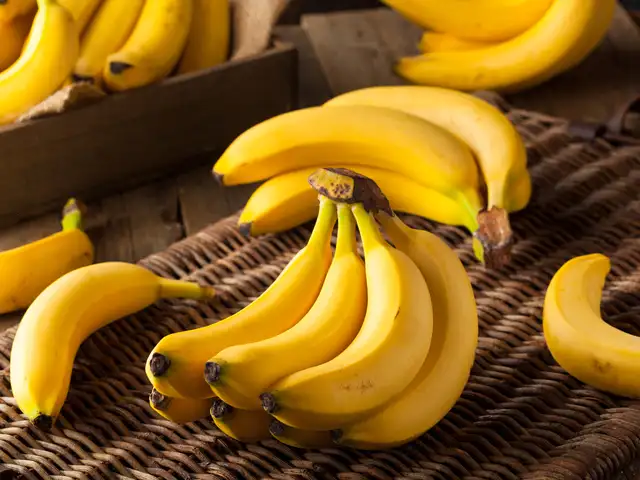
Dr Mayur Jain, Consultant and Interventional Cardiologist at Jaslok Hospital and Research Centre shares a list of superfoods that can help you lower blood pressure.
NOTE: People with kidney problems or any underlying conditions should consult a specialists before changing their diet. It is important to monitor your blood pressure twice a week followed by regular check-up by the doctor.


(Disclaimer: The opinions expressed in this column are that of the writer. The facts and opinions expressed here do not reflect the views of www.economictimes.com.)
Download
The Economic Times Business News App for the Latest News in Business, Sensex, Stock Market Updates & More.
The Economic Times Business News App for the Latest News in Business, Sensex, Stock Market Updates & More.
ADVERTISEMENT


