World Hepatitis Day: Alcohol-related liver disease is a silent killer, shows signs only in advanced stage
Any kind of inflammation or swelling of the liver is termed ‘hepatitis’.
By ET CONTRIBUTORS | Updated:

Getty Images
Liver is the second largest organ in the body after the skin. It is a highly complex organ located under the right side of the rib cage which performs essential functions like production and use of glucose, fat and protein, clotting of blood, removal of toxic waste and prevention of infections. It even has the unique capacity to repair and regenerate after an injury.
However, the organ can suffer a lot of trauma as well due to consumption of harmful substances that pass through intestines, leading to infections as toxic waste gets generated in the body through the blood.
Any kind of inflammation or swelling of the liver is termed ‘hepatitis’. When liver diseases last for a short duration - from days to weeks - it could be acute hepatitis A & E caused due to medicinal use. However, in chronic cases that last for years, fatty liver disease and hepatitis B & C are the primary conditions which are caused due to alcohol abuse.
In some individuals, chronic liver diseases eventually lead to irreversible changes in liver, called ‘cirrhosis’ where the liver becomes hard and its function becomes weak.
Alcohol & liver
Alcohol is one of the the most common causes of liver disease and liver transplantation.
According to studies, women are less likely to develop liver disease than men. Three drinks (1 drink = 10-14 gms of alcohol) for men and 2 for women daily is considered as a high-risk drinking level. However, this is not a definite quantity for all. Type of alcohol, genetic factors and other associated liver diseases determine the risk of liver injury.
Regular consumption of alcohol can increase the risk of liver injury due to commonly used drugs like paracetamol or tuberculosis medicines.

Alcohol-associated liver disease is a silent killer, and in most cases, it doesn't show symptoms until it reaches the advanced stage. The condition can get triggered with rapid onset of jaundice and lead to liver failure.
Treatment
Recognition and acceptance of alcohol use disorder (AUD) as a disease is important. Individuals with AUD often overestimate their ability to control their drinking and under estimate the quantity of drinking. Simple questionnaire (AUDIT score) can help such individuals. Help of a mental health professional and rehabilitation services are essential to overcome addiction. Non-invasive investigations like blood tests (FIB -4) and Sonography bad liver stiffness assessment can detect early liver diseases.
Improving nutrition, supplementing vitamins, use of steroids (in select patients) and management of complications of liver disease are other important parts of treatment.
Abstinence is the most-effective treatment for alcohol-associated liver disease. Hence, focus on achieving and maintenance of abstinence is the most-important intervention in severe cases.
Patients with advanced liver disease, high motivation for abstinence and absence of mental illness can go through liver transplant. However, liver disease can reoccur in quarter of patients after transplant.
- The author is Hepatologist and Gastroenterologist, Jaslok Hospital & Research Centre, Mumbai.
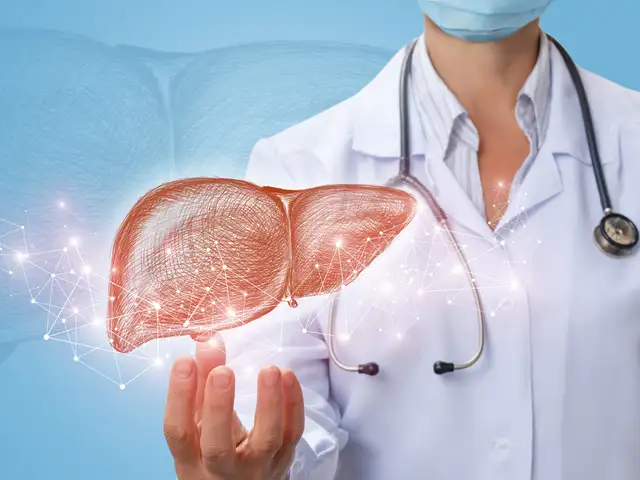
Every once in a while your body needs detox from the environmental pollutants and toxins, and ofcourse our sedentary lifestyle. Some bad habits like consumptions of liquor, hard drugs, and junk food can be damaging to your liver.
Luckily healthy intake of vegetables and Vitamin C food can naturally clean your system.
On World Liver Day, here's a list of food items that will keep your organ happy, healthy and strong.
However, the organ can suffer a lot of trauma as well due to consumption of harmful substances that pass through intestines, leading to infections as toxic waste gets generated in the body through the blood.
Any kind of inflammation or swelling of the liver is termed ‘hepatitis’. When liver diseases last for a short duration - from days to weeks - it could be acute hepatitis A & E caused due to medicinal use. However, in chronic cases that last for years, fatty liver disease and hepatitis B & C are the primary conditions which are caused due to alcohol abuse.
In some individuals, chronic liver diseases eventually lead to irreversible changes in liver, called ‘cirrhosis’ where the liver becomes hard and its function becomes weak.
Alcohol & liver
Alcohol is one of the the most common causes of liver disease and liver transplantation.
ADVERTISEMENT
With a rise in drinking culture, especially amongst the younger population, the risk of liver disease is increasing. Globally, more than 20 per cent of advanced liver disease is caused due to alcohol. According to studies, women are less likely to develop liver disease than men. Three drinks (1 drink = 10-14 gms of alcohol) for men and 2 for women daily is considered as a high-risk drinking level. However, this is not a definite quantity for all. Type of alcohol, genetic factors and other associated liver diseases determine the risk of liver injury.
Regular consumption of alcohol can increase the risk of liver injury due to commonly used drugs like paracetamol or tuberculosis medicines.
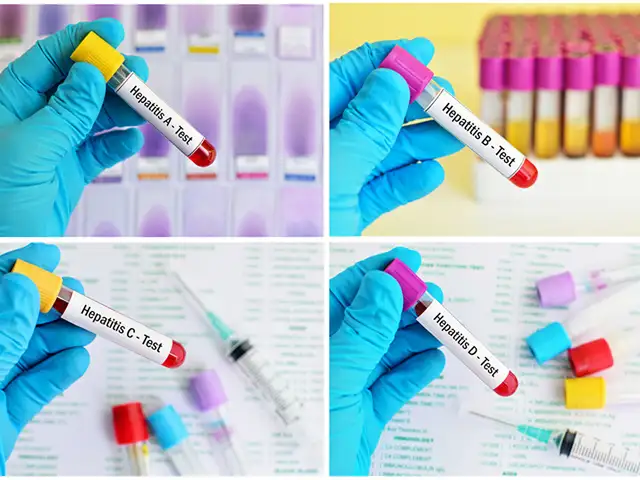
Chronic Hepatitis B and C affects nearly 52 million Indians according to the World Health Organization. Hepatitis is an inflammation of the liver, causing derangement and disruption in the liver function.
There are five main hepatitis viruses, referred to as types A, B, C, D and E. While, hepatitis can be self-limiting in some cases, in other severe cases, it can lead to fatalities such as scarring, cirrhosis or liver cancer.
On World Hepatitis Day, Dr Neeraj Saraf, Director - Hepatology Gastroenterology, Institute of Digestive and Hepatobiliary Sciences, Medanta, shares the multiple myths that exist around the condition. He feels the facts need to be addressed for ensuring timely and effective management of this disease.
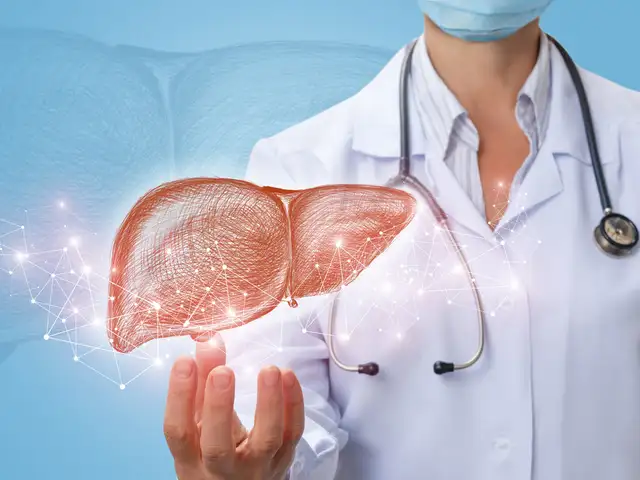

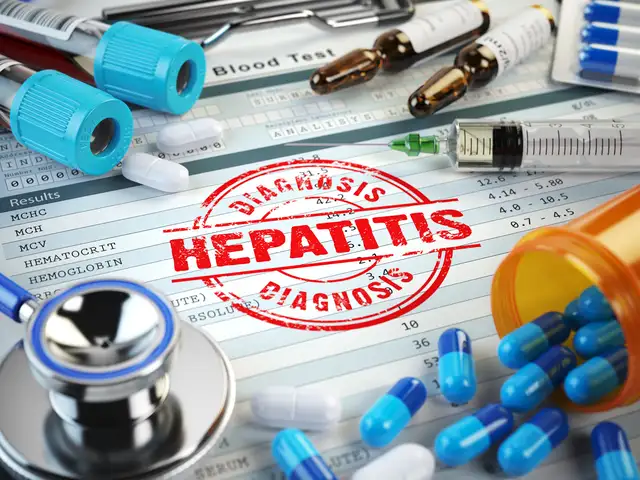
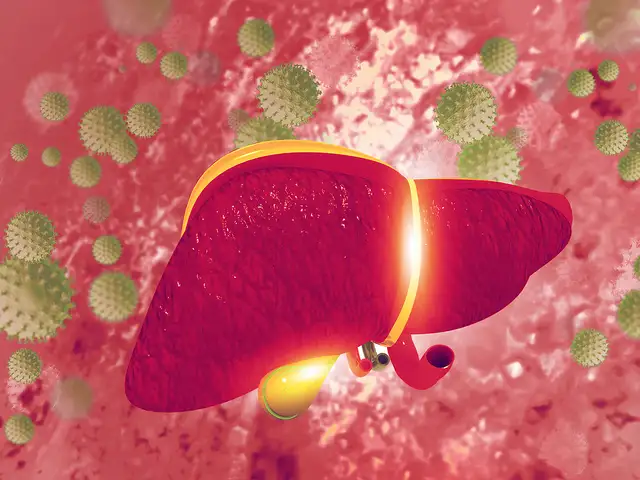


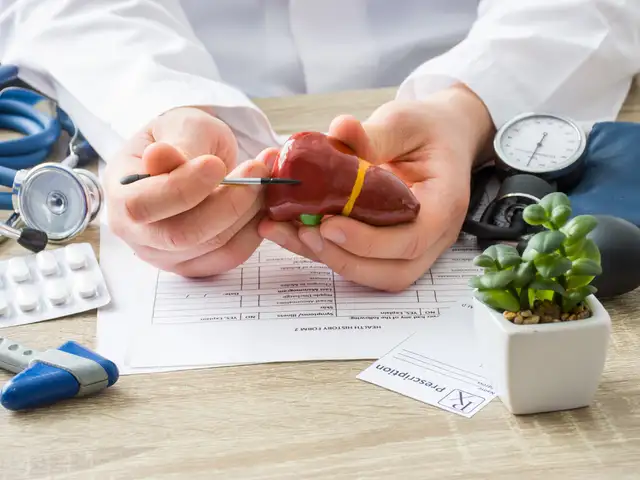

Alcohol-associated liver disease is a silent killer, and in most cases, it doesn't show symptoms until it reaches the advanced stage. The condition can get triggered with rapid onset of jaundice and lead to liver failure.
ADVERTISEMENT
One in four patients suffering alcohol-related liver disease fail to survive beyond three months. Presence of symptoms like jaundice, water accumulation in stomach, loss of appetite, drowsiness, vomiting of blood, weight loss and infections indicate advanced liver disease. Liver of patients suffering from chronic disease often does not recover even after quitting alcohol.Treatment
Recognition and acceptance of alcohol use disorder (AUD) as a disease is important. Individuals with AUD often overestimate their ability to control their drinking and under estimate the quantity of drinking. Simple questionnaire (AUDIT score) can help such individuals. Help of a mental health professional and rehabilitation services are essential to overcome addiction. Non-invasive investigations like blood tests (FIB -4) and Sonography bad liver stiffness assessment can detect early liver diseases.
ADVERTISEMENT
Improving nutrition, supplementing vitamins, use of steroids (in select patients) and management of complications of liver disease are other important parts of treatment.
Abstinence is the most-effective treatment for alcohol-associated liver disease. Hence, focus on achieving and maintenance of abstinence is the most-important intervention in severe cases.
Patients with advanced liver disease, high motivation for abstinence and absence of mental illness can go through liver transplant. However, liver disease can reoccur in quarter of patients after transplant.
- The author is Hepatologist and Gastroenterologist, Jaslok Hospital & Research Centre, Mumbai.
Luckily healthy intake of vegetables and Vitamin C food can naturally clean your system.
On World Liver Day, here's a list of food items that will keep your organ happy, healthy and strong.

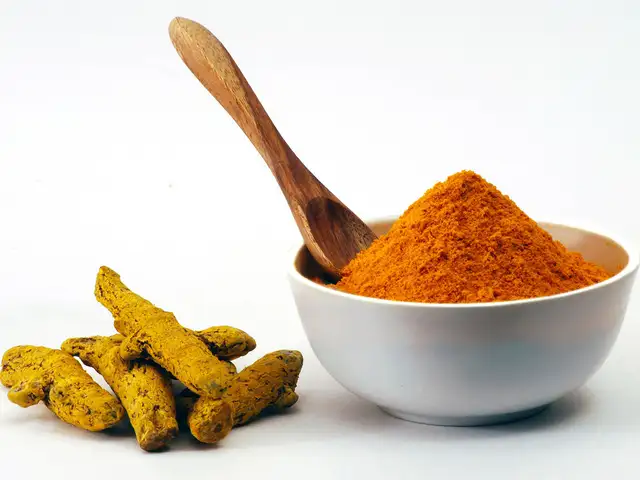






(Disclaimer: The opinions expressed in this column are that of the writer. The facts and opinions expressed here do not reflect the views of www.economictimes.com.)
Download
The Economic Times Business News App for the Latest News in Business, Sensex, Stock Market Updates & More.
The Economic Times Business News App for the Latest News in Business, Sensex, Stock Market Updates & More.
ADVERTISEMENT


