World Blood Donor Day: People must come forward & donate, transfusion-related Covid is rare
The rate of blood donation in India amounts to only 1% of the population.
By ET CONTRIBUTORS |

iStock
Blood donation is the best donation one can give to another human being. Today, when the world is facing a gigantic crisis like the coronavirus pandemic, it's crucial to consider donating blood. The pandemic has affected blood donation drives, which has further resulted in reduced stocks of blood and its components. Blood banks and transfusion services are struggling to keep up with the demand in the wake of the ongoing crisis.
Access to safe blood through out the years has been a persistent problem in India. Voluntary donations decreased significantly during the pandemic and lockdowns due to travel restrictions as well as fear of going to hospitals and getting infected. The rate of blood donation in the country amounts to only 1 per cent of the population, and the pandemic only compounded the issue.
All blood banks in Mumbai and rest of Maharashtra, where blood replacement has been made voluntary, faced a huge shortage of blood due to strict social distancing norms, cancellation of various blood drives, and low donor turnout due to COVID-19 crisis. While the rate of blood donation declined drastically, the requirement for blood and blood components remained constant due to emergency surgeries and Covid requirements. Shortage of blood in the past few months has proved to be detrimental to those who are in urgent/regular need of blood and blood components, like those with thalassemia and severe anaemia, road traffic accidents, bleeding during pregnancy and childbirth.
The Government of India issued guidelines for safe donation of blood during the ongoing covid pandemic. Blood donation is recommended with social distancing standards, biomedical-waste disposal rules, and infection control guidelines. It is also assured that risk of developing COVID-19 through a blood transfusion or via a blood donation procedure is unheard of.
The National Blood Transfusion Council has suggested that blood can be donated 28 days post-COVID recovery or discharge from a treating facility or 28 days after home isolation ends. Moreover, very mild, mild, pre-symptomatic, moderate, and severe COVID-19 cases must be deferred for 28 days from donating blood after discharge from a treating facility or 28 days after the end of home isolation.
Social distancing measures should be followed at all blood donation sites. These measures include physical distance, restriction on social norms of handshaking and hugging, reducing overcrowding, managing blood donation couches such that 3-4 feet distance is maintained between two blood collection areas and also calling donors in a staggered manner. Blood donation centres and camp organisers should educate staff and donors on these measures and provide facilities like running water, soap, hand sanitisers, personal protective equipment, and color-coded dustbins.
Initially, convalescent plasma was used in trials for patients with moderately severe Covid patients as treatment. However, recent Indian guidelines have not recommended the same. There are many countries where it has been used for treatment of those affected by the novel coronavirus.
COVID testing is not mandatory before blood donation, as transfusion-associated COVID is very rare. However, if a potential donor is experiencing fever or sore throat in the one week, he/she should report it before blood donation. Regular precautions before donating blood include drinking enough water, avoiding smoking and alcohol intake, avoiding very physical activity and eating enough food rich in iron and proteins before and after the donation.
There’s no blood donation deferral time if you receive a COVID-19 vaccine. However, one may wait for a few days as per advice from the doctors to determine your eligibility to donate blood. One can donate blood once every three months till age of 65 in India. However, doctors will ensure that you do not suffer from anaemia, hypertension, severe cardiac disease before permitting you to donate blood.
Blood donation is not just about giving blood, but it is an act of kindness that saves the lives of hundreds of people. Let us come together and save lives through regular blood donation during these difficult times of corona pandemic.
- The author is Director - Clinical Governance & Head, PD Hinduja hospital Khar
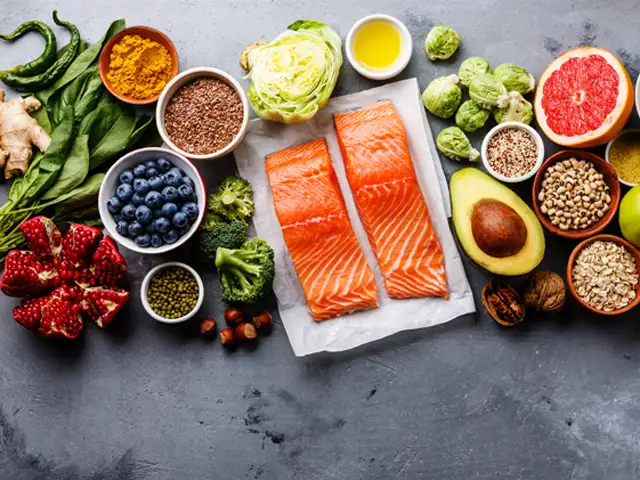
Unexplained fatigue, weakness, headaches, breathlessness, racing heart, dizziness and poor appetite could be signs of low haemoglobin.
Haemoglobin is an iron-rich protein present in red blood cells which determines the blood count and oxygen level in the body.
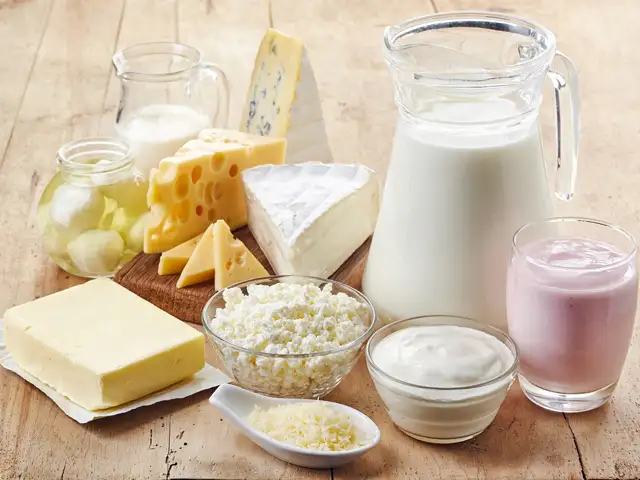
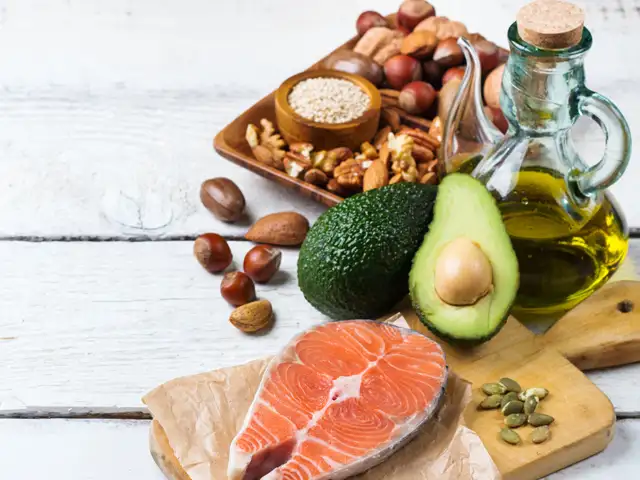
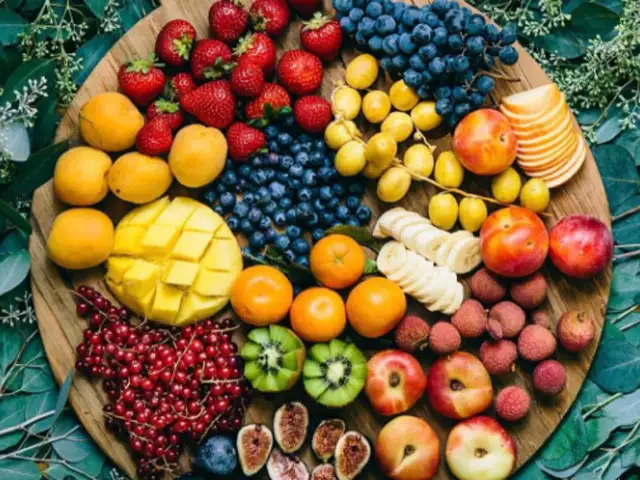
Mostly menstruating or pregnant women, growing children, and patients recovering from illnesses are susceptible to haemoglobin deficiency. A well-balanced diet with iron-rich food items can work wonders to increase the quality of blood.
Dr Kajal Yeptho Pandya, head of Department of Dietetics at Medanta - The Medicity explains how each meal with a variety of foods and portion sizes can up the haemoglobin level and moderate calorie intake.
Access to safe blood through out the years has been a persistent problem in India. Voluntary donations decreased significantly during the pandemic and lockdowns due to travel restrictions as well as fear of going to hospitals and getting infected. The rate of blood donation in the country amounts to only 1 per cent of the population, and the pandemic only compounded the issue.
All blood banks in Mumbai and rest of Maharashtra, where blood replacement has been made voluntary, faced a huge shortage of blood due to strict social distancing norms, cancellation of various blood drives, and low donor turnout due to COVID-19 crisis. While the rate of blood donation declined drastically, the requirement for blood and blood components remained constant due to emergency surgeries and Covid requirements. Shortage of blood in the past few months has proved to be detrimental to those who are in urgent/regular need of blood and blood components, like those with thalassemia and severe anaemia, road traffic accidents, bleeding during pregnancy and childbirth.
The Government of India issued guidelines for safe donation of blood during the ongoing covid pandemic. Blood donation is recommended with social distancing standards, biomedical-waste disposal rules, and infection control guidelines. It is also assured that risk of developing COVID-19 through a blood transfusion or via a blood donation procedure is unheard of.
The National Blood Transfusion Council has suggested that blood can be donated 28 days post-COVID recovery or discharge from a treating facility or 28 days after home isolation ends. Moreover, very mild, mild, pre-symptomatic, moderate, and severe COVID-19 cases must be deferred for 28 days from donating blood after discharge from a treating facility or 28 days after the end of home isolation.
Social distancing measures should be followed at all blood donation sites. These measures include physical distance, restriction on social norms of handshaking and hugging, reducing overcrowding, managing blood donation couches such that 3-4 feet distance is maintained between two blood collection areas and also calling donors in a staggered manner. Blood donation centres and camp organisers should educate staff and donors on these measures and provide facilities like running water, soap, hand sanitisers, personal protective equipment, and color-coded dustbins.
ADVERTISEMENT
Initially, convalescent plasma was used in trials for patients with moderately severe Covid patients as treatment. However, recent Indian guidelines have not recommended the same. There are many countries where it has been used for treatment of those affected by the novel coronavirus.
COVID testing is not mandatory before blood donation, as transfusion-associated COVID is very rare. However, if a potential donor is experiencing fever or sore throat in the one week, he/she should report it before blood donation. Regular precautions before donating blood include drinking enough water, avoiding smoking and alcohol intake, avoiding very physical activity and eating enough food rich in iron and proteins before and after the donation.
There’s no blood donation deferral time if you receive a COVID-19 vaccine. However, one may wait for a few days as per advice from the doctors to determine your eligibility to donate blood. One can donate blood once every three months till age of 65 in India. However, doctors will ensure that you do not suffer from anaemia, hypertension, severe cardiac disease before permitting you to donate blood.
Blood donation is not just about giving blood, but it is an act of kindness that saves the lives of hundreds of people. Let us come together and save lives through regular blood donation during these difficult times of corona pandemic.
ADVERTISEMENT
- The author is Director - Clinical Governance & Head, PD Hinduja hospital Khar
Haemoglobin is an iron-rich protein present in red blood cells which determines the blood count and oxygen level in the body.
Mostly menstruating or pregnant women, growing children, and patients recovering from illnesses are susceptible to haemoglobin deficiency. A well-balanced diet with iron-rich food items can work wonders to increase the quality of blood.
Dr Kajal Yeptho Pandya, head of Department of Dietetics at Medanta - The Medicity explains how each meal with a variety of foods and portion sizes can up the haemoglobin level and moderate calorie intake.

(Disclaimer: The opinions expressed in this column are that of the writer. The facts and opinions expressed here do not reflect the views of www.economictimes.com.)
Download
The Economic Times Business News App for the Latest News in Business, Sensex, Stock Market Updates & More.
The Economic Times Business News App for the Latest News in Business, Sensex, Stock Market Updates & More.
Related Articles
 World Blood Donor Day: Stick to low-fat meal 4 hrs before donating; skip if you have consumed alcohol the previous day2023-06-13T12:57:06Z
- World Blood Donor Day: Your tattoos or low haemoglobin level may be the reason you cannot donate blood2022-06-14T05:12:26Z
- World Blood Donor Day: From a healthier heart to a better mental state, here are some surprising benefits of donating blood2022-06-14T02:51:24Z
ADVERTISEMENT


