Will driverless cars only add to traffic woes or decide the future of parking?
Driverless cars may add a whole-new dimension to the traffic scenario.
By Bloomberg |
Agencies
This week, Alphabet Inc. subsidiary Waymo got the green light to test its driverless vehicles in California, an expansion of the program currently underway in Arizona. Waymo’s minivans will be driving in a swath of Silicon Valley around its headquarters, an area the company says it knows well. If — or when — Waymo and other driverless-car operators expand into denser urban areas, it could mean more traffic. It could also mean a different engagement with an urban landscape built for passenger vehicles. We can find hints of both north of Waymo’s California testing grounds, in San Francisco.
A report published in October by the San Francisco County Transportation Authority points the finger at the services offered by companies like Uber Technologies Inc. and Lyft Inc. as major causes of worsening traffic. From 2010 to 2016, ride-hailing services accounted for 51 percent of the increase in daily delays, 47 percent of the increase in vehicle miles traveled, and 55 percent of the average decline in speed on roadways — while adding an estimated 25 percent of total vehicle congestion.
Adding driverless vehicles to this dynamic wouldn’t help much, and it could certainly worsen it. Driverless vehicles might be better drivers than human drivers (eventually), but if they are just adding to traffic, they won’t help with delays or congestion. Even a theoretically perfect driverless car on the way to pick up a passenger is still an empty vehicle adding to traffic.
That’s where another announcement out of San Francisco is intriguing. Jim McPherson of Safe Self Drive brought the San Francisco Municipal Transportation Agency’s latest news to my attention: The agency will provide “garage ambassadors” to patrons wanting to be accompanied to their vehicles in its 19 city garages. McPherson’s first take is that it could be a step toward making public garages service-oriented places, with parking, off-street pickups, charging stations, parking space for smaller vehicles like scooters and bicycles, and even restaurants. As he told me in an email:
Architects and city planners are anticipating not that parking garages will become MORE valuable in the future, but that they will become LESS valuable — and thus should be designed to be convertible to other uses (like housing) someday.
ADVERTISEMENT
McPherson notes where transportation network companies, or TNCs, like Uber and Lyft are finding themselves in the changing travel landscape:
Just look at airports. Daily and hourly lots across from terminals are emptying as more people use TNCs to drop and go. But the curbside drop zones are getting more and more congested. Essentially everyone that would have parked and walked (or taken a dense shuttle bus) from the short and long term lots, is now competing at the curb in the drop zone in individual vehicles.
This is why airports like New Orleans have directed TNCs to drop in the short term parking lot across from the curb loading zone. Yes, riders have to walk an extra 50 to 100 yards for their rides, but multiple people can load simultaneously, cars have room to temporarily stop and wait for the next ride — even if they haven’t been hailed yet. That reduces emissions, reduces congestion, and makes rides immediately available for the next rider.
McPherson’s thinking is a thoughtful counternarrative to the idea that downtown parking will disappear in the future:
ADVERTISEMENT
One can imagine public parking garages becoming like train stations to which all AVs [autonomous vehicles] and TNCs must go for drops and pickups. (e.g., if you go to Union Square in San Francisco, the car would have to drop you in the public garage in the center, keeping roads open and flowing for bikes, buses and traffic passing through. If cars dropped passengers in front of each store, congestion would result.)
In this vision of the future, a garage isn’t an end destination; it’s a hub. San Francisco’s public garages, mapped here, could and should become city assets.
ADVERTISEMENT
The driverless car might kill off street parking, but it would inject new value into public parking infrastructure — what McPherson calls “one of the most undervalued assets cities own.”
Electric SUVs, Robo Vehicles: Concept Cars High On Tech, Design And Innovation
1/7
By Rajarshi B
Automobiles of the future ride on autonomous technology and electric drivetrains.
Here's a list of the 6 most luxurious concept drives that top the charts in terms of technology, design and innovation.
By Rajarshi BAutomobiles of the future ride on autonomous technology and electric drivetrains. Here's a list of the 6 most luxurious concept drives that top the charts in terms of technology, design ..
Read More
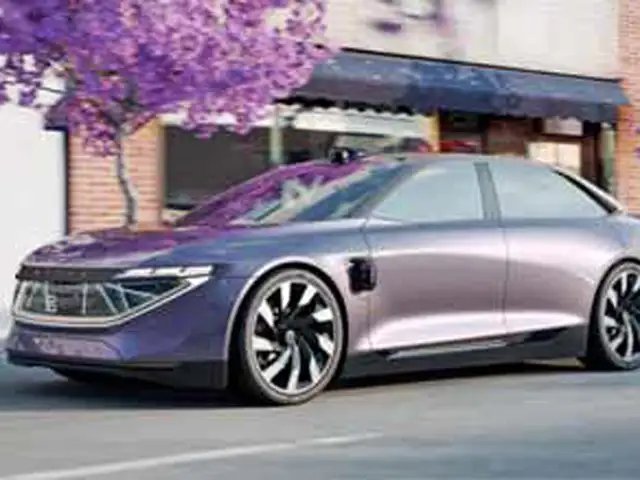
The Byton K-Byte Concept that made its global debut in Shanghai this year is designed for the age of autonomous driving. It comes with Level 4 autonomous driving program, expanded windows and sunroof, innovative C-pillar design, and an intuitive user interface that turns the vehicle into a living and working space.
The Byton K-Byte Concept that made its global debut in Shanghai this year is designed for the age of autonomous driving. It comes with Level 4 autonomous driving program, expanded windows and sunroof..
Read More
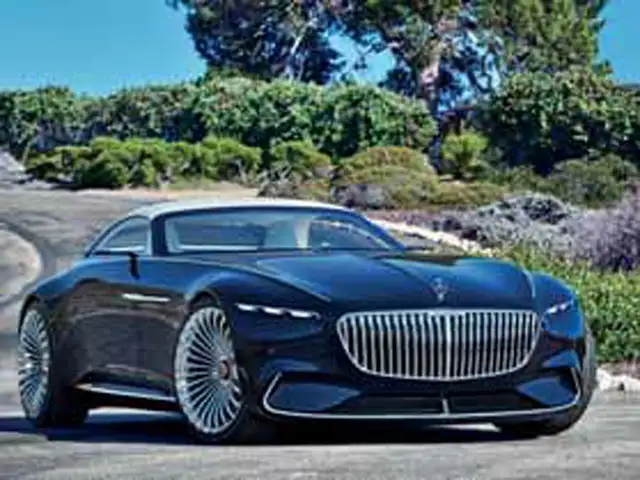
Designed as an electric car, the Maybach 6 Cabriolet’s drive system has an output of 550 kW and a range of over 500 kms. Measuring almost six metres in length, it incorporates the classic proportions of art deco design with its long bonnet. The interior offers the feeling of a 360-degree open-air lounge, while biometric sensors record the state of mind and health of the passengers.
Designed as an electric car, the Maybach 6 Cabriolet’s drive system has an output of 550 kW and a range of over 500 kms. Measuring almost six metres in length, it incorporates the classic proportions..
Read More
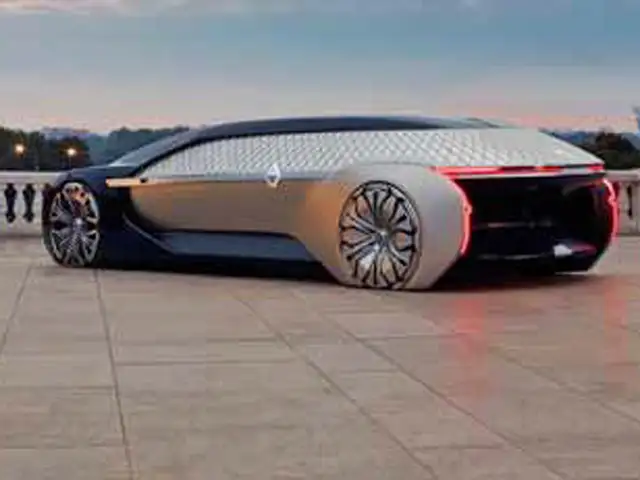
Unveiled recently at the Paris Motor Show, the EZ Ultimo is a robo-vehicle concept that’s autonomous, electric, connected, and comes with a shared mobility service solution. Equipped with level 4 autonomous driving technology, it can adapt to an urban environment, to the motorway or to a shuttle service on dedicated roads.
Unveiled recently at the Paris Motor Show, the EZ Ultimo is a robo-vehicle concept that’s autonomous, electric, connected, and comes with a shared mobility service solution. Equipped with level 4 aut..
Read More
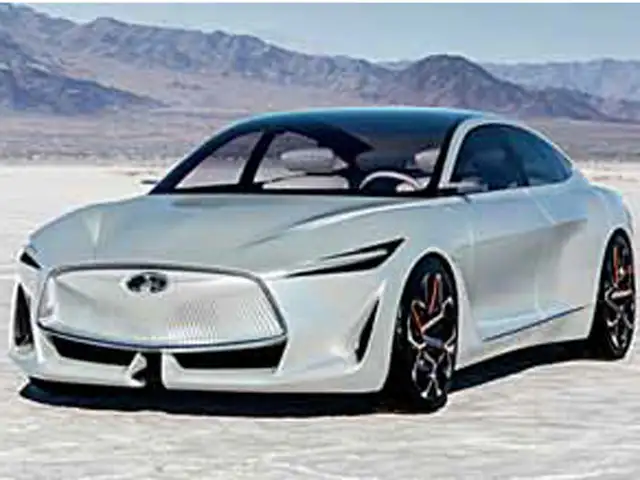
The Q Inspiration Concept brings a production-ready VC-Turbo powertrain, autonomous drive technologies and a unique human-centric interior together to enrich the experience for driving a luxury sedan. The interior comes with a touchscreen for each passenger and can also monitor passenger biometrics.
The Q Inspiration Concept brings a production-ready VC-Turbo powertrain, autonomous drive technologies and a unique human-centric interior together to enrich the experience for driving a luxury sedan..
Read More
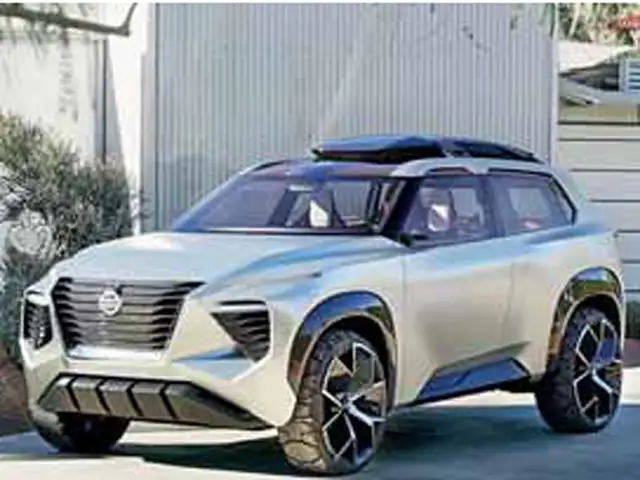
This dramatic three-row SUV concept shows off Nissan’s design direction for 2020 and beyond. The exterior features a powerful presence with understated sculptural beauty and all-terrain tyre design. Inside, the displays and infotainment system can be controlled by gestures and eye movements.
This dramatic three-row SUV concept shows off Nissan’s design direction for 2020 and beyond. The exterior features a powerful presence with understated sculptural beauty and all-terrain tyre design. ..
Read More
An electric car with a 75 KWh battery, the four-door luxury sedan can store as much electricity as an average European household consumes in a week. Powered by Envision’s IoT platform, it not only connects to a network of renewable energy assets, but also communicates and shares energy with other vehicles and homes, enabling clean and affordable electricity in a smart future energy system.
An electric car with a 75 KWh battery, the four-door luxury sedan can store as much electricity as an average European household consumes in a week. Powered by Envision’s IoT platform, it not only co..