Will art auctions survive in a post-Covid world? This $32 mn dinosaur sold by Christie's has the answer
The top of the auction market is never a great indicator of how the art market is doing.
By Bloomberg |

AFP
By James Tarmy
During a lovely spring week in May 2019, in what now feels like the halcyon days of pre-Covid life, seven paintings and three sculptures sold for a brisk $605 million.
Flash forward to this year, when it took 12 months and a 67-million-year-old dinosaur to amass top 10 results that still only managed to total $408 million.
To be clear: The top of the auction market is never a great indicator of how the art market is doing; it’s like trying to gauge the strength of the U.S. car market by looking at Bugatti sales. This has always been true, and it’s particularly salient during the pandemic as jittery sellers turn to pre-arranged (and publicly untraceable) private sales instead of riskier public auctions.
In fact, downmarket results are exceeding expectations. Online luxury sales have seemingly never been better, and affluent people with pent-up disposable income have fueled a boom in rare book sales, decorative arts auctions, jewelry, and slightly lower-priced fine art.
There is, however, a utility for examining the top of the art auction market. Everyone might love art for art’s sake, but its value, or lack thereof, confers an undeniable significance on work—or denies it. Prices, like it or not, matter.
Mega prices can also have a temporary halo effect on the tiers below, at least up to a point. Any evidence is anecdotal, but take the 2018 Modigliani market: One painting set a record when it sold at Sotheby’s New York for $157 million; a few days later, a charcoal-on-paper drawing by the artist sold for more than a million dollars above a high estimate of $600,000 at Christie’s. A month after that, a self-portrait sold for $1.3 million above a high estimate of $790,000 at Christie’s in London.
Similarly, the top of the market is an indicator of market sentiment.
The sale of a $30 million sculpture cast 50 years ago might not tell you much about a $15,000 drawing made last month, but it could— and often does—give you some sense of where the winds are blowing. Just look at 2016, when the top 10 auction results for the May New York auctions represented the value of only two lots from the year before. And in fact, the overall art sales that week were accordingly down a staggering $1.6 billion, year over year. Big sales generate hype, and hype can generates sales.
So what can we learn by examining this year’s top lots?
A pessimist might say that trophy works are a thing of the past. An insider might point to a lack of supply of top-tier work, which would pull down the total—and allow a dinosaur skeleton to rattle up the list. And a realist might argue that despite unprecedented social, economic, and cultural upheaval, an intrepid handful of superrich collectors were willing to show up (at least virtually) and fight one another to spend tens of millions of dollars on art. For some it seems, the good days never went away.
The only sure thing is that the art market has survived Covid-19. It might not be thriving, but it’s certainly here to stay.
Francis Bacon’s Triptych Inspired by the Oresteia of Aeschylus, $84.6 million
Painted in 1981 and sold at Sotheby’s.
Roy Lichtenstein’s Nude with Joyous Painting, $46.2 million
Painted in 1994 and sold at Christie’s.
David Hockney’s Nichols Canyon, $41 million
Painted in 1980 and sold at Phillips.
Ren Renfa’s Five Drunken Princes Returning on Horseback, $39.4 million
Painted circa the late 13th century or early 14th century and sold at Sotheby’s.
Cy Twombly’s Untitled [Bolsena], $38.7 million
Painted in 1969 and sold at Christie’s.
Sanyu’s Quatre Nus, $33.3 million
Painted in the 1950s and sold at Sotheby’s.
Tyrannosaurus Rex, $31.9 million
Died about 67 million years ago and sold at Christie’s.
Mark Rothko’s Untitled, $31.3 million
Painted in 1967 and sold at Christie’s.
Barnett Newman’s Onement V, $30.9 million
Painted in 1952 and sold at Christie’s.
Brice Marden’s Complements, $30.9 million
Painted from 2004 to 2007 and sold at Christie’s.
During a lovely spring week in May 2019, in what now feels like the halcyon days of pre-Covid life, seven paintings and three sculptures sold for a brisk $605 million.
Flash forward to this year, when it took 12 months and a 67-million-year-old dinosaur to amass top 10 results that still only managed to total $408 million.
To be clear: The top of the auction market is never a great indicator of how the art market is doing; it’s like trying to gauge the strength of the U.S. car market by looking at Bugatti sales. This has always been true, and it’s particularly salient during the pandemic as jittery sellers turn to pre-arranged (and publicly untraceable) private sales instead of riskier public auctions.
In fact, downmarket results are exceeding expectations. Online luxury sales have seemingly never been better, and affluent people with pent-up disposable income have fueled a boom in rare book sales, decorative arts auctions, jewelry, and slightly lower-priced fine art.
There is, however, a utility for examining the top of the art auction market. Everyone might love art for art’s sake, but its value, or lack thereof, confers an undeniable significance on work—or denies it. Prices, like it or not, matter.
ADVERTISEMENT
Mega prices can also have a temporary halo effect on the tiers below, at least up to a point. Any evidence is anecdotal, but take the 2018 Modigliani market: One painting set a record when it sold at Sotheby’s New York for $157 million; a few days later, a charcoal-on-paper drawing by the artist sold for more than a million dollars above a high estimate of $600,000 at Christie’s. A month after that, a self-portrait sold for $1.3 million above a high estimate of $790,000 at Christie’s in London.
Similarly, the top of the market is an indicator of market sentiment.
The sale of a $30 million sculpture cast 50 years ago might not tell you much about a $15,000 drawing made last month, but it could— and often does—give you some sense of where the winds are blowing. Just look at 2016, when the top 10 auction results for the May New York auctions represented the value of only two lots from the year before. And in fact, the overall art sales that week were accordingly down a staggering $1.6 billion, year over year. Big sales generate hype, and hype can generates sales.
So what can we learn by examining this year’s top lots?
ADVERTISEMENT
A pessimist might say that trophy works are a thing of the past. An insider might point to a lack of supply of top-tier work, which would pull down the total—and allow a dinosaur skeleton to rattle up the list. And a realist might argue that despite unprecedented social, economic, and cultural upheaval, an intrepid handful of superrich collectors were willing to show up (at least virtually) and fight one another to spend tens of millions of dollars on art. For some it seems, the good days never went away.
The only sure thing is that the art market has survived Covid-19. It might not be thriving, but it’s certainly here to stay.
ADVERTISEMENT
Francis Bacon’s Triptych Inspired by the Oresteia of Aeschylus, $84.6 million
Painted in 1981 and sold at Sotheby’s.
Roy Lichtenstein’s Nude with Joyous Painting, $46.2 million
Painted in 1994 and sold at Christie’s.
David Hockney’s Nichols Canyon, $41 million
Painted in 1980 and sold at Phillips.
Ren Renfa’s Five Drunken Princes Returning on Horseback, $39.4 million
Painted circa the late 13th century or early 14th century and sold at Sotheby’s.
Cy Twombly’s Untitled [Bolsena], $38.7 million
Painted in 1969 and sold at Christie’s.
Sanyu’s Quatre Nus, $33.3 million
Painted in the 1950s and sold at Sotheby’s.
Tyrannosaurus Rex, $31.9 million
Died about 67 million years ago and sold at Christie’s.
Mark Rothko’s Untitled, $31.3 million
Painted in 1967 and sold at Christie’s.
Barnett Newman’s Onement V, $30.9 million
Painted in 1952 and sold at Christie’s.
Brice Marden’s Complements, $30.9 million
Painted from 2004 to 2007 and sold at Christie’s.
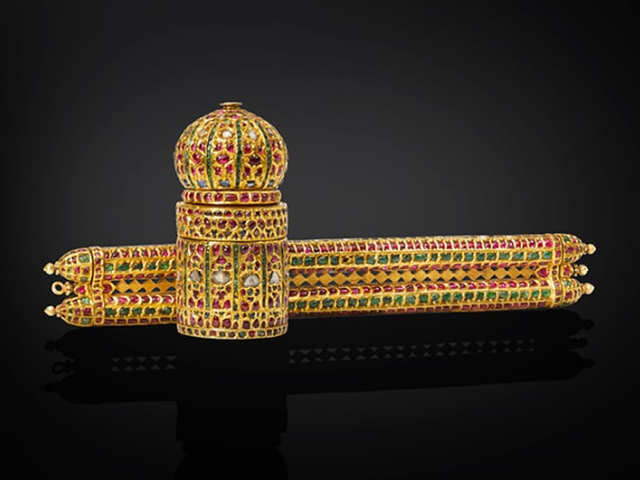
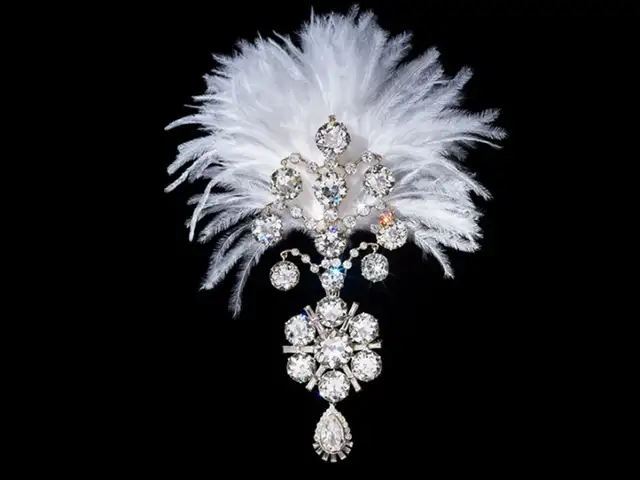
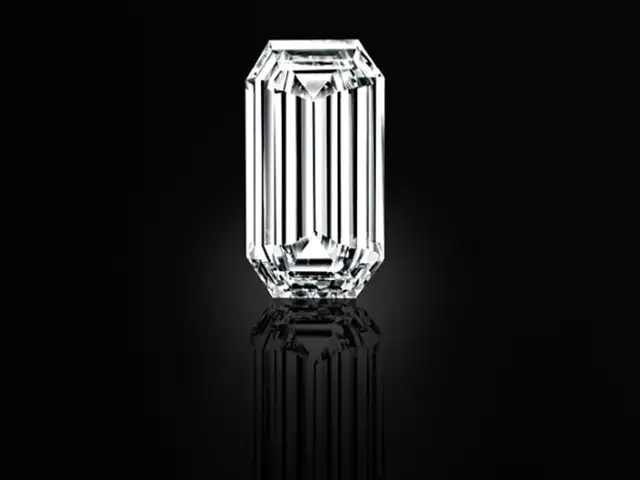
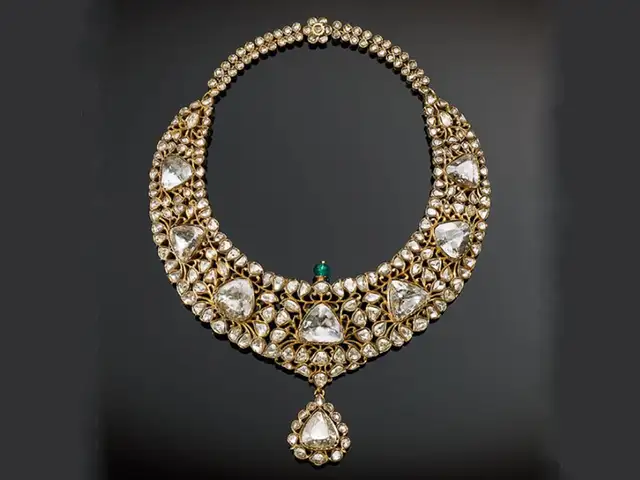
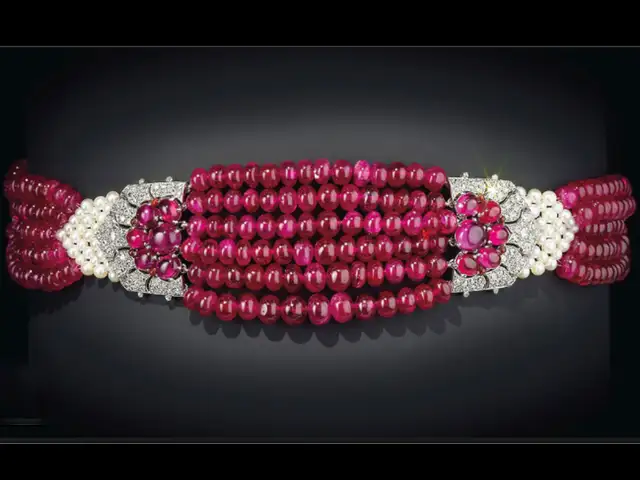
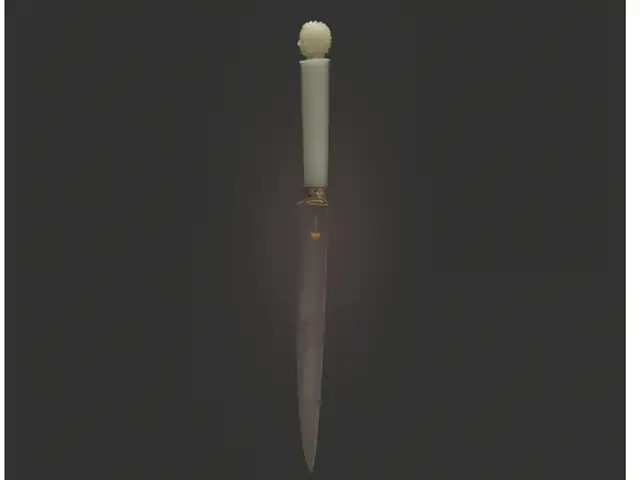
A dagger of an emperor, an ornate pen case and a 17th century necklace of the Nizam. These are among the 400 pieces of ancient Indian treasures and Mughal jewels set to go under the hammer in New York on June 19.
It is a known fact that during the reign of the Mughal dynasty, jewelled pen case and inkwell sets were presented to persons of utmost distinction. This emerald, ruby and diamond-set pen case and inkwell has the engraving of a sacred swan or hamsa under the inkwell. It is dated back to the late 16th century and is said to have originated in the Deccan region.

Download
The Economic Times Business News App for the Latest News in Business, Sensex, Stock Market Updates & More.
The Economic Times Business News App for the Latest News in Business, Sensex, Stock Market Updates & More.
ADVERTISEMENT


