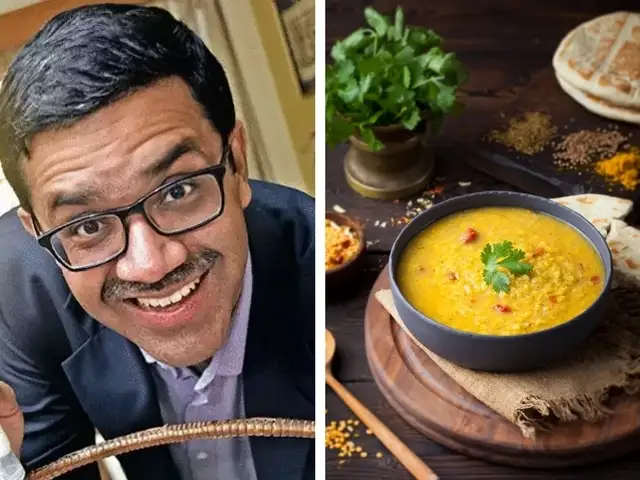
The most elemental Indian foods — rice, dal, khichdi, all the gravy dishes collectively called, however annoying the simplification, curries — are all boiled in a pot.
In the first week of the lockdown, spluttering flames on the stove were a dreaded sign of gas running out. With all supplies in Goa confused or closed, the prospects of replacing the cylinder didn’t look good. Should we build a mud chulha in the garden? We could fuel it from the copious cow pats lying around back lanes, one positive outcome of the cow protection policy that had led to herds of abandoned cattle!
In the event, a kind friend with an extra cylinder came to the rescue, but if forced to cook over a makeshift chulha, the results might still have been nutritious, filling and good to taste. It is, after all, how thousands still cook in India — just as many migrant workers in shuttered construction sites across Goa were doing, at least when they were able to get basic rations.
In his TV series Cooked, the food writer Michael Pollan chose to examine cooking by boiling through the lens of Indian food.
This was an obvious simplification, leaving out all the Indian ways of frying, grilling and other ways of cooking, but Pollan did have a point. The most elemental Indian foods — rice, dal, khichdi, all the gravy dishes collectively called, however annoying the simplification, curries — are all boiled in a pot.
Pollan does note, in the book that accompanies the series, that this is true of home cooking across the world and if it has remained particularly true for India, one reason might be those cow pats. In the absence of coal, whose widespread Indian use only dates from the 18th century, after deposits in the Northeast started being mined, cow dung was what we used and its slow flame is ideal for boiling in a pot. (Charcoal could also have been used, but producing it is time-consuming and it is possible its higher heat was kept for jobs like metalworking.)
ADVERTISEMENT
Even when LPG became available, we stuck to our boiled dishes. A new invention, the pressure cooker, enabled it to make them even faster, which was helpful, given the often erratic gas supplies.
Boiled dishes had other advantages.
They were easy to scale up, by adding more liquid or ingredients, which was always helpful, given large families and unexpected guests. Roast and fried dishes, by contrast, are harder to divide among many.
The texture of boiled dishes is easily varied to suit the starch they are eaten with – thicker for rotis, more liquid for rice, in-between for steamed idlis or sannas.
ADVERTISEMENT
The texture of boiled dishes is easily varied to suit the starch they are eaten with – thicker for rotis, more liquid for rice, in-between for steamed idlis or sannas. Some of our common spices, like coriander powder, work for thickening as well as taste, and other Indian ingredients, like besan, are also used to adjust texture.
In Jyotsna Shahane’s excellent, new Classic Konkan Cookbook, based on the original recipes of Narayani Nayak, she notes that the names of Konkani stews precisely signal their texture, so you know what to eat with them. Something similar happens, intuitively, with most Indian cuisines.
ADVERTISEMENT
Boiled dishes are also easy to reheat — the liquid means they don’t dry out and get tough as it happens with reheated roasted or fried foods. This means that Indian food can taste as good, or even better a day after it is made, which is great for leftovers and also, unexpectedly, for airline food. The constraints of cooking in airplane cabins, plus the deadening effect that pressurised air has on our taste buds, means that wellspiced and reheated Indian food is usually the best meal option by far.
Indian food is also forgiving to cook. It is easy to make it badly, but it is also easy to rescue it, with a new tadka, a little jaggery or one of the many souring agents — lime, dahi, amchur, anardana, kokum and more — that are as important as spices in Indian food, though less acknowledged.
In The 24-Hour Soup Kitchen, Stephen Henderson’s new book on what he calls astrophilanthropy, or cooking for charity, which was partly inspired by his experience with the Sikh langar, he finally takes the plunge to do it himself in a soup kitchen in Pittsburgh. Deciding to cook chicken curry, he quickly lost control as he realised he might have to feed 150 people, and resorted to scattering whole jars of spices into the giant vat.
Yet, when Henderson tasted the result: “I couldn’t believe it! Even with these absurd ratios, the flavour was excellent — neither too sweet not too salty; flavours of garlic and ginger were there, and the cinnamon sticks had done their magic.”
Desi Dishes India Inc Wants To See On The Global Map
1/5
Achievers from diverse fields share the one dish from their community that they’d like to introduce to the world.
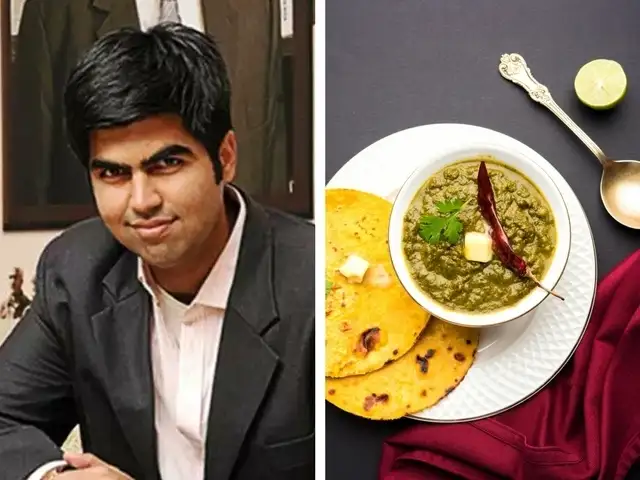
“I would like to introduce Sarson ka saag with Makai ki roti. It’s an amazing combination and it is only grown in parts of North India in winter. When made well, it’s the best thing ever.”
Achievers from diverse fields share the one dish from their community that they’d like to introduce to the world.
“I would like to introduce Sarson ka saag with Makai ki roti. It’s an amazing combin..
Read More
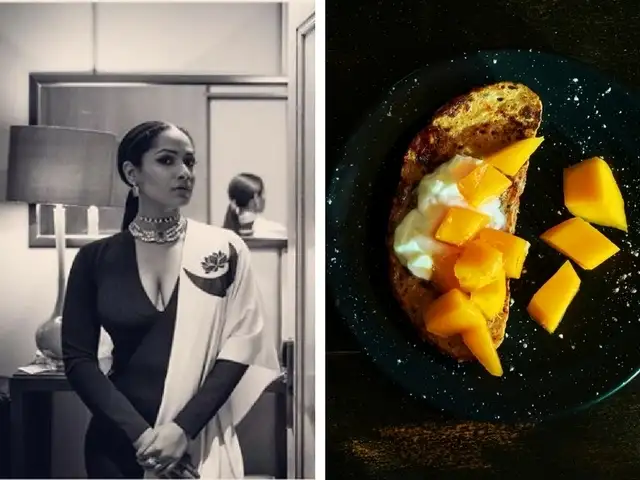
“I love aam toast (mango toast). It’s the right mix of sweet and savoury. Plus, it makes for a very satisfying snack.”
“I love aam toast (mango toast). It’s the right mix of sweet and savoury. Plus, it makes for a very satisfying snack.”
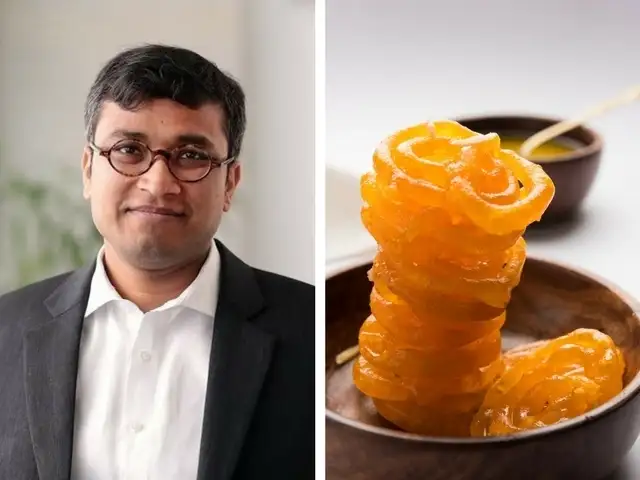
“I’d like to introduce jalebi to international guests. I’m from Allahabad so that’s the dish I would like to showcase. I don’t know how much people would like it though, because it’s too sweet. I have served jalebis with Indian cuisine to guests from across the world at my home and they loved it. It certainly has a novelty value.”
“I’d like to introduce jalebi to international guests. I’m from Allahabad so that’s the dish I would like to showcase. I don’t know how much people would like it though, because it’s too sweet. I hav..
Read More
“We are Thanjavur Maharashtrians — so our food has elements of Tamil as well as Maharashtrian cuisine. The dish I’d love to sample to a foreign visitor is ‘Ambat Bhaaji’. Think of it as next-generation sambhar that can serve the purpose of sambhar as well as curry in the meal. It’s made with tur dal, palak leaves [you can use most of the common varieties of palak], tamarind and spices. It’s of a thicker consistency than sambhar, slightly sour (hence the name), highly nutritious, filling and the best part — 100 per cent vegan. You usually have it with rice, other vegetables and, if you think it’s all getting a little too healthy, fried papad.”
“We are Thanjavur Maharashtrians — so our food has elements of Tamil as well as Maharashtrian cuisine. The dish I’d love to sample to a foreign visitor is ‘Ambat Bhaaji’. Think of it as next-generati..
Read More
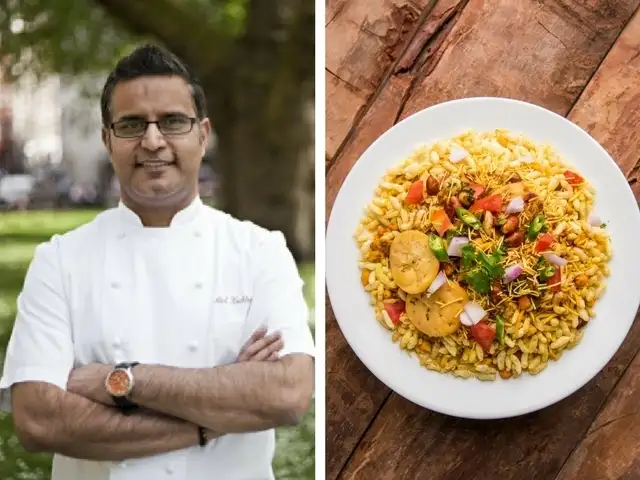
“My hometown is Jamshedpur. I would pick one of the tribal dishes to introduce to the world. The locals make a jhalmuri or bhel out of insects, ants, small crickets, etc. They also make dry chutneys out of it. I’ve tried it and it is delicious. It’s definitely crunchy but hard to describe the exact taste.”
“My hometown is Jamshedpur. I would pick one of the tribal dishes to introduce to the world. The locals make a jhalmuri or bhel out of insects, ants, small crickets, etc. They also make dry chutneys..
Later, he watched as it was served up to a crowd suspicious of foreign food: “The first eaters apparently gave some sort of approving signal.... People came back for seconds.
Even the jittery guy who hated ‘Moose-lims’ appeared slightly calmer when he showed up in the serving line for the third time.”
One result of all these factors is that Indian cooking is ideal for our current global quarantine, and this can be seen in the pictures people are posting from their kitchens on social media or the recipes that food sections of newspapers are suggesting they cook. Spice cabinets are being emptied and sacks of rice are being opened to make up for the lack of flour.
Indian vegetarian or semi-vegetarian recipes help compensate for low meat stocks and no other cuisine makes better use of beans and lentils, those ultimate store-cupboard staples.
Ironically, the one place where Indian food seems absent is the homes of many well-off Indians, who are busy trying to replicate food from other parts of the world. This isn’t just because of the attractions of the unfamiliar, but for the more basic reason that these homes leave Indian cooking to their domestic help, who often can’t come in now.
“I’d like to make aloo-gobi, but I don’t know how. I always left that to the cook,” a neighbour admitted. If quarantine helps some Indians realise the value of Indian cooking, that might be a lasting benefit.
Should Baguettes Get UNESCO Tag? Other Dishes That Have Gone Heritage
1/5
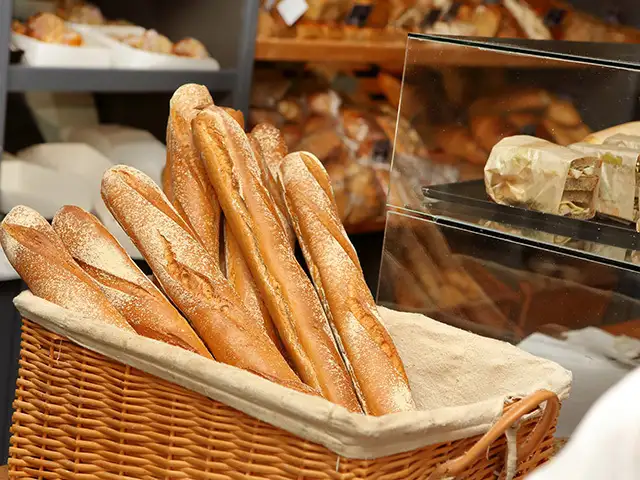
French President Emmanuel Macron wants the UNESCO to give baguettes a heritage tag.
A look at dishes on the list:
French President Emmanuel Macron wants the UNESCO to give baguettes a heritage tag.
A look at dishes on the list:
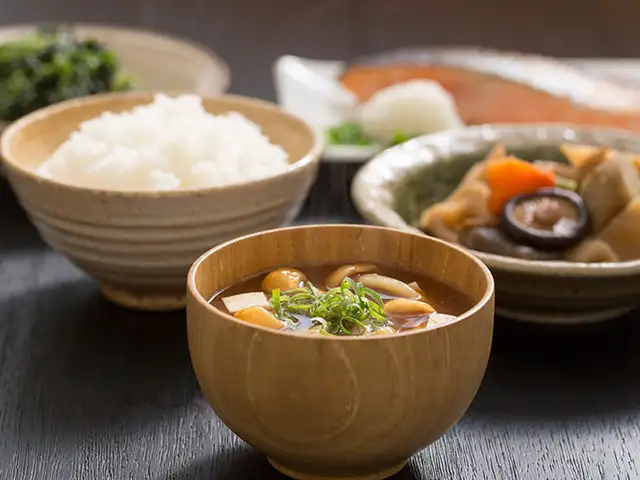
Not so much a food but a type of cuisine, the Washoku is a traditional Japanese meal usually reserved for new rear celebrations.
Not so much a food but a type of cuisine, the Washoku is a traditional Japanese meal usually reserved for new rear celebrations.
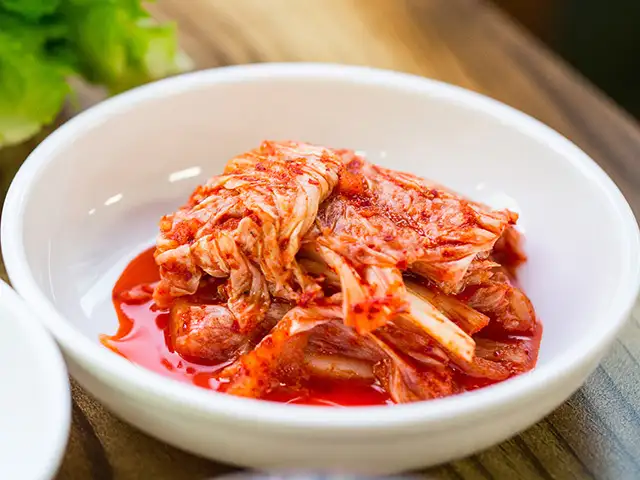
The Korean name for preserved vegetables seasoned with spices and fermented seafood forms an essential part of Korean meals, transcending class and regional differences.
The Korean name for preserved vegetables seasoned with spices and fermented seafood forms an essential part of Korean meals, transcending class and regional differences.
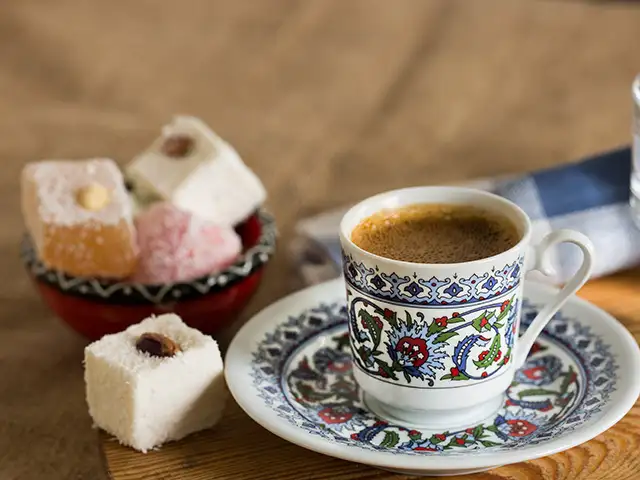
Freshly roasted beans are ground to a fine powder, mixed with cold water and sugar and then brewed slowly on stove until the desired foam appears.
Freshly roasted beans are ground to a fine powder, mixed with cold water and sugar and then brewed slowly on stove until the desired foam appears.
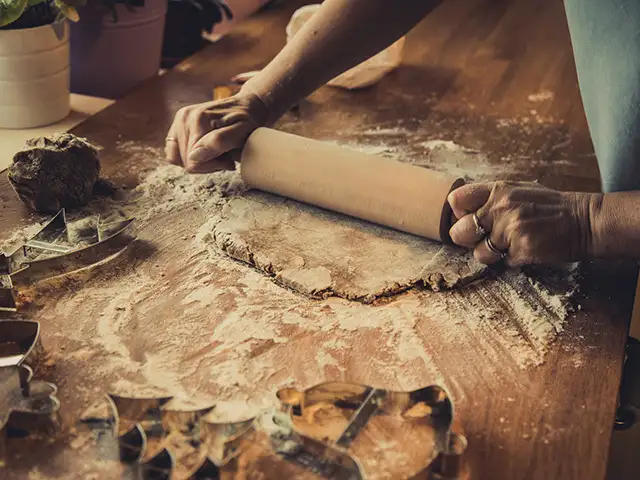
Gingerbread making became a craft in Croatia. Though the basic bread making includes the simple ingredients of sugar, flour, water, baking soda and spices, the decoration on them makes them unique.
Gingerbread making became a craft in Croatia. Though the basic bread making includes the simple ingredients of sugar, flour, water, baking soda and spices, the decoration on them makes them unique.
Business News › Magazines › Panache › Boiled dishes are easy to reheat, leftovers taste great & other reasons why Indian cooking is ideal for lockdown daysText Size:AAA