When books turn inspiration: Motilal Oswal got authors Marshall Goldsmith & Ram Charan to motivate staff
The Motilal Oswal Financial Services MD shares his ultimate book list.
By Glynda Alves, ET Bureau |

Agencies
“An investment in knowledge pays the best interest. And investing in knowledge over the years makes this interest compound manifold,” says Motilal Oswal, MD & CEO, MOFSL. He says that over the decades his love for reading and gaining knowledge has paid rich dividends, not just for his personal development but for the growth of his company. Here are some of his all time favourites:
‘Good to Great’ by Jim Collins provides a framework that has kept winning companies, its leaders, and its people on track for the long haul. Using this framework provides a road map to make our own organisation realise its true potential. The best learning I got from the book is to get the right people on the bus, the right people in the right seats, and the wrong people off the bus.
‘The Secret’ by Rhonda Byrne has helped me immensely in monitoring and controlling my thought process proactively to remain focussed. I can summarise the book one sentence: Thoughts become Things.
‘Ultimate Sales Machine’ by Chet Holmes. If you are doing business and more precisely sales; this book is a must read. It highlights the power of sales as a process. Identifying Dream Buyers, Sharpening the Saw (training), Stadium Pitch, Smoking Gun etc are concepts we have adopted widely in our company with great success.
‘Don’t Lose Your Mind; Lose Your Weight’ by Rujuta Divekar has helped me stay agile – both physically and mentally. The premise of the book that dieting is not about deprivation of food, on the contrary it's about providing our body with the right kind of nourishment; resonated with me so well that I ordered over 500 copies to be distributed among employees in our company. I found The 4 Principles of eating right mentioned in the book a practical life hack to better health.
‘What Got You Here Won’t Get You There’ by Marshall Goldsmith highlights that behavioural problems, not technical skills, are what separate the great from the near great. It shares 20 career/business derailing habits that prevent us from achieving our true potential. I got so much inspired from the book that we got Marshall to do a full day session for our employees and customers.
Ram Charan is a highly sought-after advisor to Fortune 500 companies and his book ‘Execution- The Discipline of Getting Things Done’ (co-authored with Larry Bossidy) shares the importance of execution in every business enterprise. After all ideas/vision on their own are meaningless unless there is the will and discipline to execute them. I am a big fan of Ram Charan and got him to our office for a full day session for our team.
Being in the investing business, I found ‘The Psychology of Money’ by Morgan Housel providing timeless lessons on how people look at money. After all money management is not just about the rational. But also about the emotions of greed and fear and managing expectations.
‘Good to Great’ by Jim Collins provides a framework that has kept winning companies, its leaders, and its people on track for the long haul. Using this framework provides a road map to make our own organisation realise its true potential. The best learning I got from the book is to get the right people on the bus, the right people in the right seats, and the wrong people off the bus.
‘The Secret’ by Rhonda Byrne has helped me immensely in monitoring and controlling my thought process proactively to remain focussed. I can summarise the book one sentence: Thoughts become Things.
‘Ultimate Sales Machine’ by Chet Holmes. If you are doing business and more precisely sales; this book is a must read. It highlights the power of sales as a process. Identifying Dream Buyers, Sharpening the Saw (training), Stadium Pitch, Smoking Gun etc are concepts we have adopted widely in our company with great success.
‘Don’t Lose Your Mind; Lose Your Weight’ by Rujuta Divekar has helped me stay agile – both physically and mentally. The premise of the book that dieting is not about deprivation of food, on the contrary it's about providing our body with the right kind of nourishment; resonated with me so well that I ordered over 500 copies to be distributed among employees in our company. I found The 4 Principles of eating right mentioned in the book a practical life hack to better health.
‘What Got You Here Won’t Get You There’ by Marshall Goldsmith highlights that behavioural problems, not technical skills, are what separate the great from the near great. It shares 20 career/business derailing habits that prevent us from achieving our true potential. I got so much inspired from the book that we got Marshall to do a full day session for our employees and customers.
ADVERTISEMENT
Ram Charan is a highly sought-after advisor to Fortune 500 companies and his book ‘Execution- The Discipline of Getting Things Done’ (co-authored with Larry Bossidy) shares the importance of execution in every business enterprise. After all ideas/vision on their own are meaningless unless there is the will and discipline to execute them. I am a big fan of Ram Charan and got him to our office for a full day session for our team.
Being in the investing business, I found ‘The Psychology of Money’ by Morgan Housel providing timeless lessons on how people look at money. After all money management is not just about the rational. But also about the emotions of greed and fear and managing expectations.
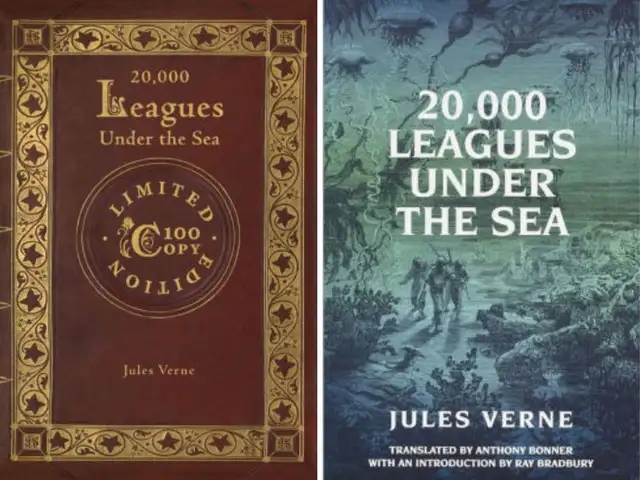
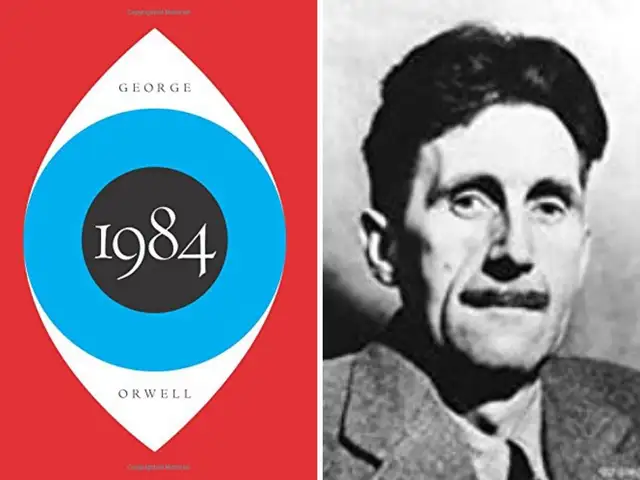
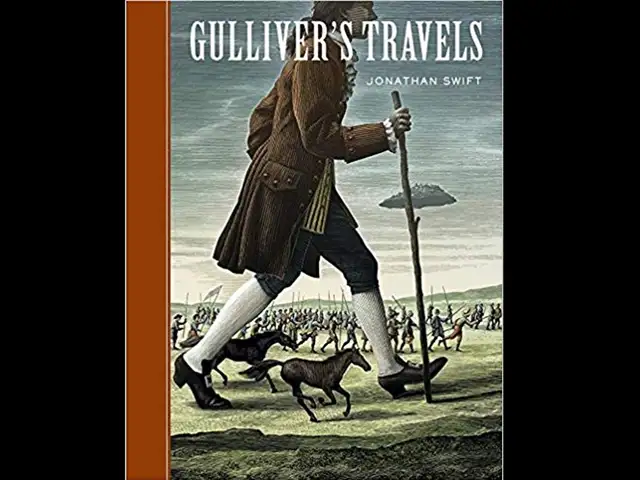
A look back at the different times when authors unleashed the Nostradamus in them and came up with something that was years ahead of its time.



Download
The Economic Times Business News App for the Latest News in Business, Sensex, Stock Market Updates & More.
The Economic Times Business News App for the Latest News in Business, Sensex, Stock Market Updates & More.
Related Articles
 Motilal Oswal initiates coverage on KPR Mill, 7 other textile stocks with up to 43% upside. Own any?2026-06-24T05:15:57Z
- Sell or Hold: Citi maintains buy on Cipla; Motilal Oswal recommends buy on RIL post AGM2026-06-22T04:19:44Z
- Betting on India’s travel boom? Motilal Oswal sees TBO Tek and Ixigo as key beneficiaries2026-06-20T04:00:47Z
ADVERTISEMENT


