What Capitalism Means To These Renowned Economists & Academicians
1/5
Thought Leaders
A ready reckoner on four thinkers who, through their works, have infused fresh insights into money, markets and modern society.
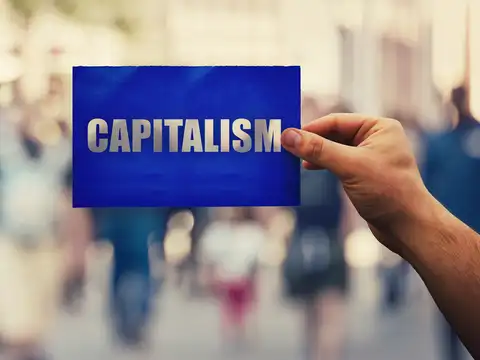
Capitalism with a heart. Is that the new world order or just an enduring paradox? At a recent literature festival held in Mumbai, a panel comprising former Mckinsey & Co boss, Rajat Gupta, businessman Nadir Godrej and Arun Maira, a Tata Group alumnus, debated and discussed just that. During their conversation, they referenced thinkers and economists who have spent much time theorising the role of business in society. Here’s what these thinkers have said of capitalism in the past.
Capitalism with a heart. Is that the new world order or just an enduring paradox? At a recent literature festival held in Mumbai, a panel comprising former Mckinsey & Co boss, Rajat Gupta, businessman Nadir Godrej and Arun Maira, a Tata Group alumnus, debated and discussed just that. During their conversation, they referenced thinkers and economists who have spent much time theorising the role of business in society. Here’s what these thinkers have said of capitalism in the past.
2/5
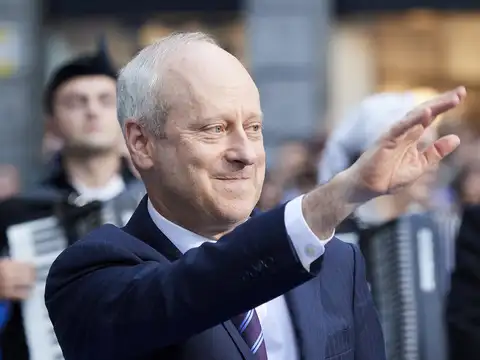
Michael Sandel
This Harvard professor of political philosophy has been called the “most famous teacher of philosophy in the world”. Sandel has explored the impact of capitalism on the moral values of society. “Without being fully aware of the shift, Americans have drifted from having a market economy to becoming a market society ... where almost everything is up for sale,” Sandel has said. And in a world where everything is a commodity, inequality breeds fast. Life is harder for those of modest means.
3/5
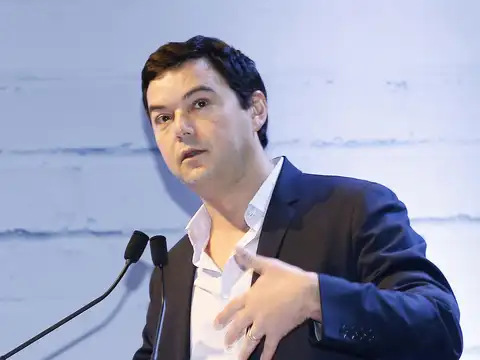
Thomas Piketty
This French economist has deliberated extensively on the subject of inequality. In his 2014 book Capital in the Twenty-First Century, Piketty warned that if the already rich were able to accumulate wealth faster than economies were able to grow, inequality would skyrocket in the coming decades, potentially destabilising societies in the process. Those starting off with millions in inheritance have a natural headstart on those earning their way up through jobs.
Amazon Top Deals
POWERED BY

Crompton Ozone 75 Litres Desert Air Cooler for home | Large & Easy Clean Ice Chamber | 4-Way Air Deflection | High Density Honeycomb Pads | Everlast Pump | Auto Fill| 3 Year Brand Warranty
₹9,798Buy Now43%
OFF

LG 32 L Convection Microwave Oven (MC3286BRUM, Black, 360° Motorised Rotisserie for Bar-be-queing, 301 Auto Cook Menu, Stainless steel cavity, Indian Cuisine, Tandoor Se, Steam Clean & Diet Fry)
₹19,340Buy Now19%
OFF
4/5
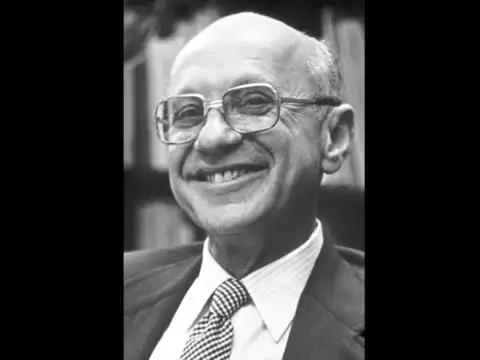
Milton Friedman
He is considered to be the most prominent 20th century advocate of free markets. Friedman’s famous doctrine — “There is one and only one social responsibility of business — to use its resources and engage in activities designed to increase its profits so long as it stays within the rules of the game, which is to say, engages in open and free competition without deception or fraud” — is a hotly-debated subject in a world where corporate social responsibility or CSR is considered essential for businesses to actively give back to society.
(Photo from the Nobel Foundation archive)
(Photo from the Nobel Foundation archive)
5/5
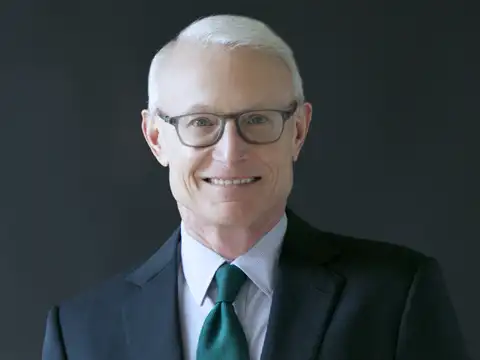
Michael Porter
An American academic of repute, Porter differs from Friedman in his view of the role of business and has spoken of the need to rethink capitalism. In his view, the purpose of the corporation must be redefined as creating shared value, not just profit per se. This will drive the next wave of innovation and productivity growth in the global economy. It will also reshape capitalism and its relationship to society and legitimise business again as a powerful force for positive change.
(Image: www.isc.hbs.edu)
(Image: www.isc.hbs.edu)