US spacecraft named after late astronaut Kalpana Chawla, who died during a space mission
Chawla had made history at NASA as the first female astronaut of Indian descent.
By PTI | Updated:

BCCL
WASHINGTON: An American commercial cargo spacecraft bound for the International Space Station has been named after fallen NASA astronaut Kalpana Chawla, the first India-born woman to enter space, for her key contributions to human spaceflight. Northrop Grumman, an American global aerospace and defence technology company, announced that its next Cygnus capsule will be named the "S.S. Kalpana Chawla", in memory of the mission specialist who died with her six crewmates aboard the space shuttle Columbia in 2003.
"Today we honour Kalpana Chawla, who made history at @NASA as the first female astronaut of Indian descent. Her contributions to human spaceflight have had a lasting impact," the company tweeted on Wednesday.
"Northrop Grumman is proud to name the NG-14 Cygnus spacecraft after former astronaut Kalpana Chawla. It is the company's tradition to name each Cygnus after an individual who has played a pivotal role in human spaceflight," the company said on its website.
"Chawla was selected in honour of her prominent place in history as the first woman of Indian descent to go to space," it said.
"While Chawla made the ultimate sacrifice in service to the space programme, her legacy lives on through her fellow astronauts and those she has inspired to follow in her footsteps," it said.
"Her final research conducted onboard Columbia helped us understand astronaut health and safety during spaceflight. Northrop Grumman is proud to celebrate the life of Kalpana Chawla and her dream of flying through the air and in space," it said.
The S S Kalpana Chawla capsule is scheduled to launch on the NG-14 mission atop a Northrop Grumman Antares rocket from the Mid-Atlantic Regional Spaceport (MARS) at NASA's Wallops Flight Facility in Virginia on September 29. The spacecraft will arrive at and be attached to the space station two days later.
For the NG-14 mission, the Cygnus spacecraft will deliver approximately 3,629 kg of cargo to the space station.
Chawla was born in Karnal, Haryana on March 17, 1962. She received a Bachelor of Science degree in aeronautical engineering from Punjab Engineering College in India in 1982.
She held commercial pilot's licenses for single- and multi-engine aeroplanes, seaplanes and gliders, and was also a certified flight instructor.
Her work concentrated on the simulation of complex air flows encountered by aircraft flying in "ground-effect."
In 1993, Chawla joined Overset Methods Inc. as vice president and a researcher in aerodynamics.
After becoming a naturalised US citizen in April 1991, Chawla applied for the NASA astronauts corps. She was selected in December 1994 and reported to the Johnson Space Center in Houston in 1995 as an astronaut candidate in Group 15.
In November 1996, Chawla was assigned as a mission specialist on STS-87 aboard the Space Shuttle Columbia, becoming the first woman of Indian descent to fly in space.
Chawla's second spaceflight experience came in 2001 when she was selected for the crew of STS-107. The flight was dedicated to science and research, with approximately 80 experiments completed.
Chawla lost her life during the STS-107 mission when the Space Shuttle Columbia disintegrated upon reentering the Earth's atmosphere.
"Today we honour Kalpana Chawla, who made history at @NASA as the first female astronaut of Indian descent. Her contributions to human spaceflight have had a lasting impact," the company tweeted on Wednesday.
"Northrop Grumman is proud to name the NG-14 Cygnus spacecraft after former astronaut Kalpana Chawla. It is the company's tradition to name each Cygnus after an individual who has played a pivotal role in human spaceflight," the company said on its website.
"Chawla was selected in honour of her prominent place in history as the first woman of Indian descent to go to space," it said.
"While Chawla made the ultimate sacrifice in service to the space programme, her legacy lives on through her fellow astronauts and those she has inspired to follow in her footsteps," it said.
"Her final research conducted onboard Columbia helped us understand astronaut health and safety during spaceflight. Northrop Grumman is proud to celebrate the life of Kalpana Chawla and her dream of flying through the air and in space," it said.
ADVERTISEMENT
The S S Kalpana Chawla capsule is scheduled to launch on the NG-14 mission atop a Northrop Grumman Antares rocket from the Mid-Atlantic Regional Spaceport (MARS) at NASA's Wallops Flight Facility in Virginia on September 29. The spacecraft will arrive at and be attached to the space station two days later.
For the NG-14 mission, the Cygnus spacecraft will deliver approximately 3,629 kg of cargo to the space station.
Chawla was born in Karnal, Haryana on March 17, 1962. She received a Bachelor of Science degree in aeronautical engineering from Punjab Engineering College in India in 1982.
ADVERTISEMENT
Chawla then moved to the United States to pursue her graduate education; in 1984 she received a Master's degree in aerospace engineering from the University of Texas, and a Ph.D. in aerospace engineering from the University of Colorado in 1988. She held commercial pilot's licenses for single- and multi-engine aeroplanes, seaplanes and gliders, and was also a certified flight instructor.
ADVERTISEMENT
Chawla began her career at NASA in 1988 as a powered-lift computational fluid dynamics researcher at the Ames Research Center in California. Her work concentrated on the simulation of complex air flows encountered by aircraft flying in "ground-effect."
In 1993, Chawla joined Overset Methods Inc. as vice president and a researcher in aerodynamics.
After becoming a naturalised US citizen in April 1991, Chawla applied for the NASA astronauts corps. She was selected in December 1994 and reported to the Johnson Space Center in Houston in 1995 as an astronaut candidate in Group 15.
In November 1996, Chawla was assigned as a mission specialist on STS-87 aboard the Space Shuttle Columbia, becoming the first woman of Indian descent to fly in space.
Chawla's second spaceflight experience came in 2001 when she was selected for the crew of STS-107. The flight was dedicated to science and research, with approximately 80 experiments completed.
Chawla lost her life during the STS-107 mission when the Space Shuttle Columbia disintegrated upon reentering the Earth's atmosphere.
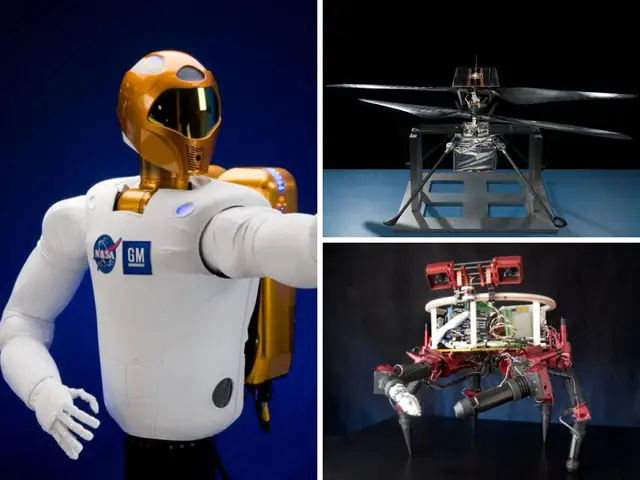
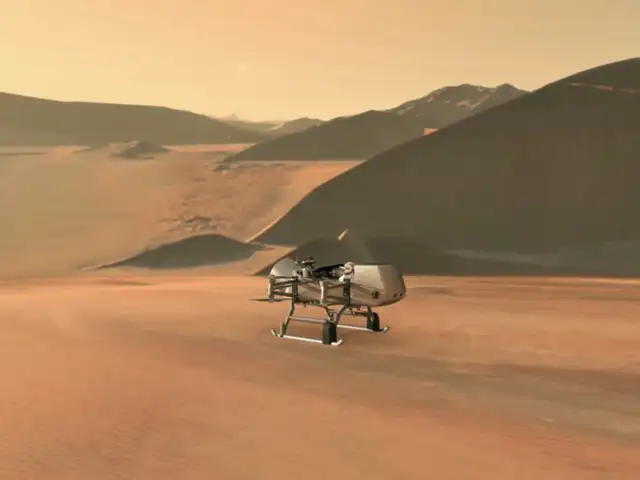
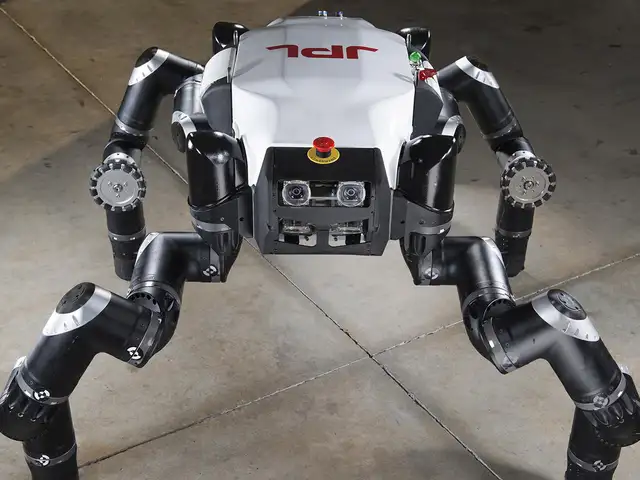
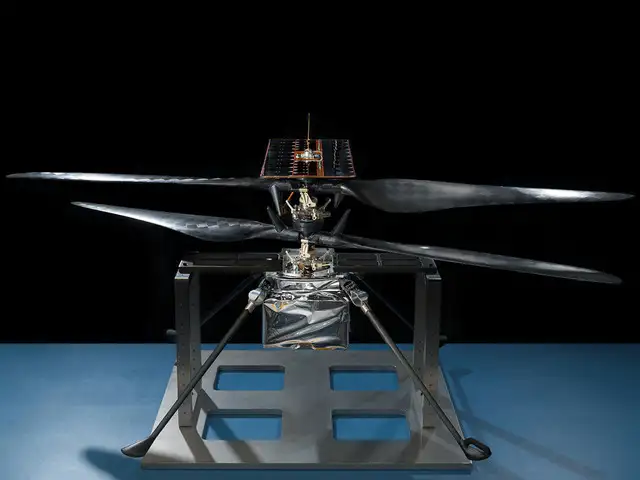
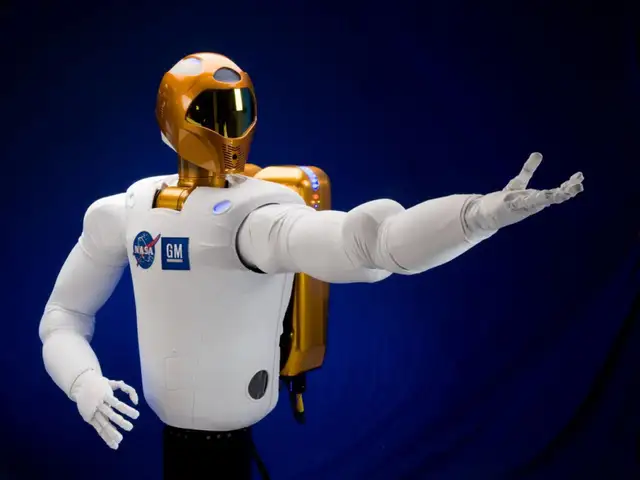
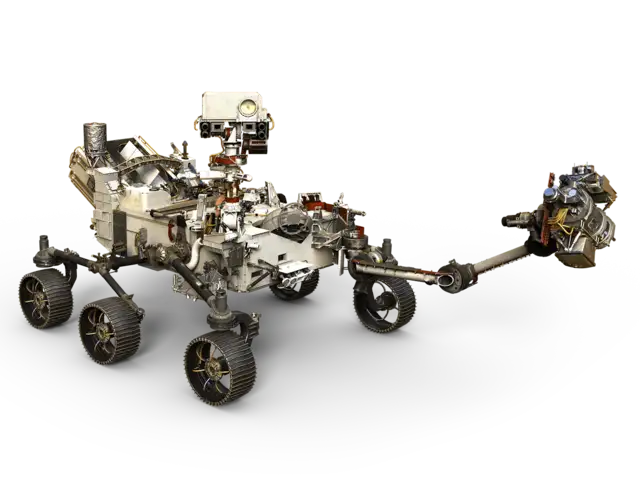
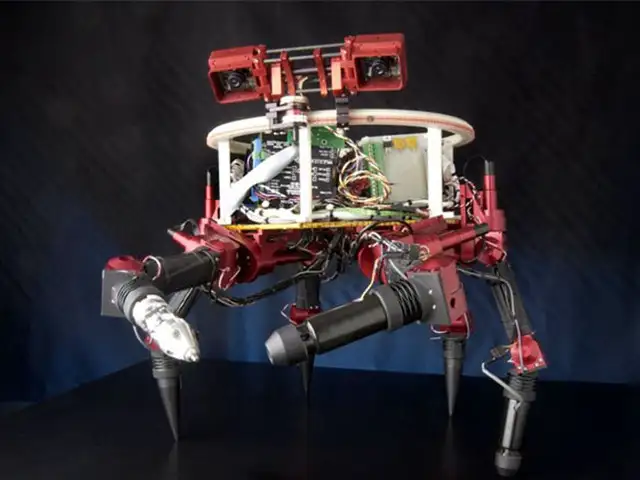
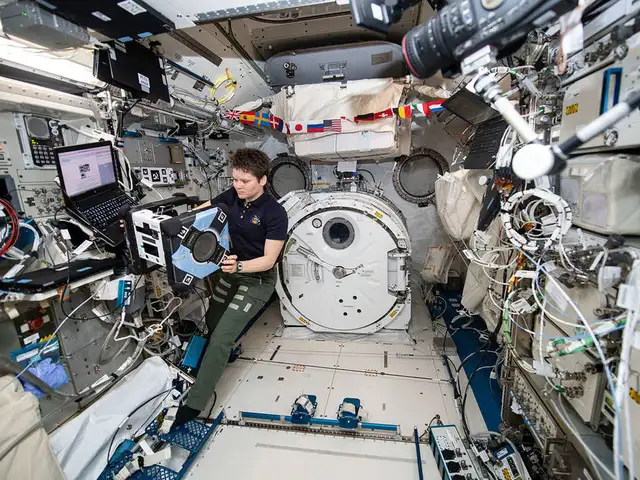
Space agency NASA is developing different technologies to unveil the mysteries of deep space.

Download
The Economic Times Business News App for the Latest News in Business, Sensex, Stock Market Updates & More.
The Economic Times Business News App for the Latest News in Business, Sensex, Stock Market Updates & More.
ADVERTISEMENT


