To protest or not to protest? Here's what demonstrators in non-liberal Singapore go through
A one-man ‘smiley’ demonstration can’t hurt you in liberal non-Singapore India!
By ET Bureau |
iStock
Think of the chap in Singapore who was charged for ‘unlawful assembly’ for holding a one-man protest outside a police station.
One of the loveliest things about hyper-disciplinary States is that they also exist to provide other administrations a liberal reputation in comparison. So, the next time you complain about being water-cannoned for demonstrating against the government, or hauled up for forwarding a meme that some joker didn’t find funny, think of the chap in Singapore who was charged for ‘unlawful assembly’ for holding a one-man protest outside a police station — and bearing a smiley face placard.
The ironically surnamed Jolovan Wham pleaded not guilty to two charges of Singapore’s Public Order Act, posting bail of 15,000 Singaporean dollars — Rs 8.25 lakh. Wham, who will return to court tomorrow, was hauled up for showing support for two fellow Singaporean climate change activists who had also been hauled up for a similar protest.
He was wearing an anti-Covid mask, maintaining physical distance and his smiley drawing was innocuous — at least by non-Singaporean standards. But he did not have a permit when he stood for a few seconds to click his protest picture. Whether Wham’s supporters, who have reportedly sent him smiley face selfies, also run the risk of being hauled up by cops is uncertain. But we can thank our lucky stars that we live in far more free and easy-going surroundings.
Will Gambling Become Legal In India? A Look At Governments That Taxed Their Way To Richer Horizons
1/6
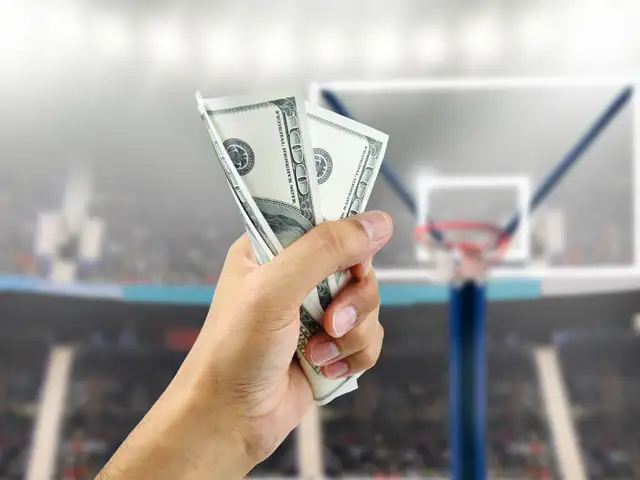
With the Law Commission of India recommending that gambling and sports betting be legalised, we examine other governments that taxed their way to richer horizons.
With the Law Commission of India recommending that gambling and sports betting be legalised, we examine other governments that taxed their way to richer horizons.
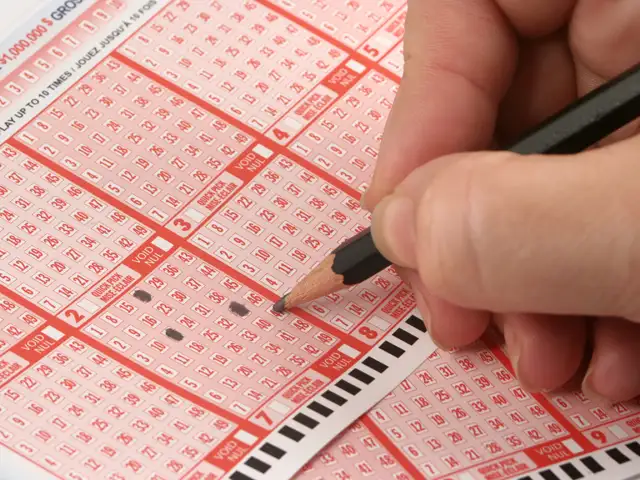
While most forms of sports betting are banned in mainland China, people can gamble their income on two state-run official lotteries, the China Sports Lottery and the China Welfare Lottery.
Last year, both lotteries generated a combined total of 426.6 billion yuan in revenue, making it the second largest lottery in the world. The China Sports Lottery allows people to stake money only on selected sporting events like international football matches or the FIFA World Cup.
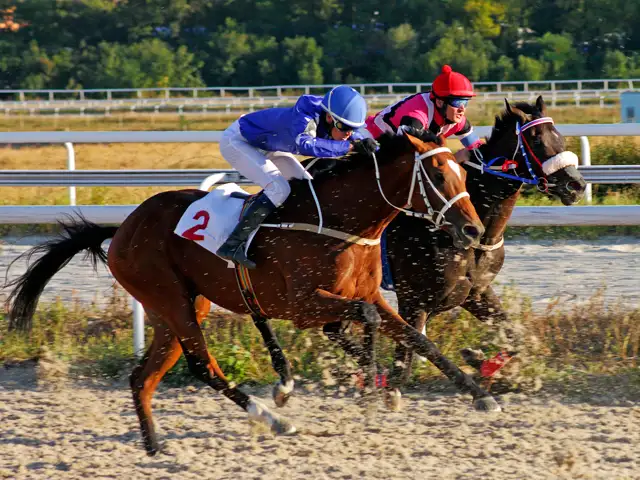
Betting on horses is banned but that could change soon with the government trying to transform Hainan island into a horse racing and sport lottery hub.
While most forms of sports betting are banned in mainland China, people can gamble their income on two state-run official lotteries, the China Sports Lottery and the China Welfare Lottery. Last year,..
Read More
Casino gambling wasn’t legalised in Japan until December 2016, but the Japanese government had plenty of other legalised options to rake in gaming revenue such as pachinko parlours or government controlled sports betting.
By controlling betting on horse races, motorbike racing, bicycle racing, powerboat racing and football, they created a fivetrillion-yen market that could be taxed.
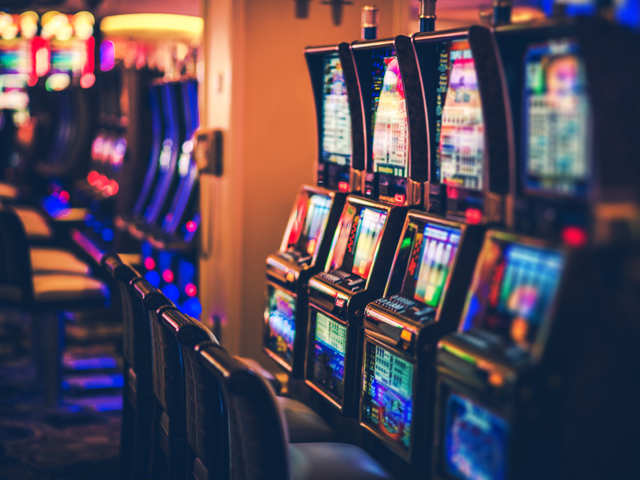
Another national Japanese pastime, Pachinko generates roughly 21.6 trillion yen in revenue each year by allowing customers to try their luck at pinball-like machines.
Prizes garnered are then exchanged for cash at nearby shops, a form of legalised gambling.
Casino gambling wasn’t legalised in Japan until December 2016, but the Japanese government had plenty of other legalised options to rake in gaming revenue such as pachinko parlours or government cont..
Read More
Unlike other countries, Mexico legalised sports betting relatively late. In 2004, the Mexican government removed the ban and approved the operation of certain number-based games.
Today, gamblers can enjoy betting on horseracing, dog racing, bullfighting, cockfighting, bingo, lotteries and scratch cards.
Video-style gaming machines have also been introduced but football and baseball still remain the greatest sources of gaming revenue for the country.
Unlike other countries, Mexico legalised sports betting relatively late. In 2004, the Mexican government removed the ban and approved the operation of certain number-based games. Today, gamblers can ..
Read More
Each year millions of tourists flock to the gambling capital of the world and the government has been quick to capitalise on it by levying a 39 per cent tax on casino gross gaming revenue.
Out of the 39, 35 per cent is government tax and the remainder is accrued in levies for community causes.
In the last six months alone, the Macau government has collected approximately $6.65 billion from direct taxes on gaming i.e., roughly 83.6 percent of their total revenue.
While the government is also trying to increase their non-gaming revenue, it falls far short of what the casinos rake in.
Each year millions of tourists flock to the gambling capital of the world and the government has been quick to capitalise on it by levying a 39 per cent tax on casino gross gaming revenue. Out of the..
Read More
According to Danish regulator Spillemyndigheden, online gaming accounts for more than half of the annual gaming revenue generated.
In 2017, the country garnered $1.53 billion in gambling revenue from lotteries, sports betting (both online and off-line) and online casinos.
The online gaming market accounted for 51.5 per cent of total gambling revenue, an increase from 47.4 per cent in the previous year.
The regulator also measured gross gaming revenue per capita across countries and found that Denmark ranks third for betting and casino games.
(Text: Shannon Tellis)
According to Danish regulator Spillemyndigheden, online gaming accounts for more than half of the annual gaming revenue generated. In 2017, the country garnered $1.53 billion in gambling revenue from..