Timberlake, Sofia Vergara, and more: How Rohan Oza became Hollywood's brand father
According to Oza, this crossover from celebrity to entrepreneur is a smart one.
By Glynda Alves, ET Bureau |

Agencies
How do you go from borrowing money from dad to closing billion-dollar deals? Marketing mastermind Rohan Oza shares anecdotes from his journey.
“I am fun, but you can’t say that about yourself — others have to say it,” quips Rohan Oza. The American entrepreneur of Indian origin has a net worth of $200 million — and a magic touch in the business of celebrity branding. Check out the folks he hangs out with: Justin Timberlake is a good friend. He’s had a danceoff with Sofia Vergara. He works with Mark Cuban. And 50 Cent likes to joke that he was the one who made Oza famous. It is no laughing matter, however, to be called “the Hollywood brand father”, as he is frequently referred to by leading US media. Oza, on his part, cemented his status as the go-to guy for celebrity branding, transforming A-list celebrities’ branding partnerships into gold.
“When I met 50 Cent, I had no money, I was broke and borrowing money from my dad,” Oza tells ETPanache during a visit to the city earlier this year. “For me, it all started with 50 Cent and Vitamin Water. 50 took the risk on himself and said ‘All good. I’ll do my thing’. I thought how much can this guy make? Well, apparently a lot.
When we sold the company for $4 billion, he made a lot of money. I won’t tell you the exact number because we have a deal: I don’t reveal the exact number and he doesn’t beat me up (laughs). I think that’s fair. Although he does credit himself for making me famous. He tells me, ‘Now that’s some Slumdog Millionaire stuff’.”
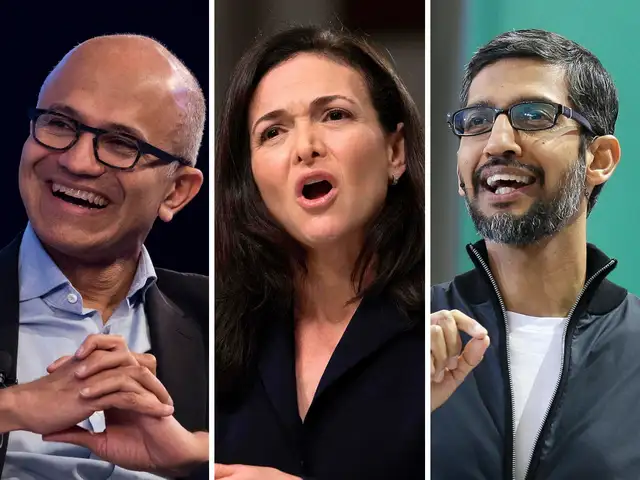
A culture revolution doesn’t always begin on the outside. Sometimes, accountability comes from the inside, as these powerful tech giants discovered.
According to Oza, this crossover from celebrity to entrepreneur is a smart one. “I think most celebrities have the ability to transit into the business and entrepreneurial world and more and more are doing it these days,” he says. Oza credits 50 Cent for changing the game and making celebrities realise they could significantly increase their value. “They realised they could add another zero or in some rare cases, two zeroes, to how much they were getting paid through equity. But it’s a gamble. The smart ones — I have worked with Justin Timberlake, Jennifer Aniston, Madonna — all understood and believed in their brands and they took the skin in the game.”
While he’s successfully managed to turn many celebrities into businesspersons, channelling his vision and theirs, there have been times when Oza has missed out on a great deal — and it hurt. “It’s very stressful. Do you ever fully get over it?” he asks, and then recalls one such incident that he has found hard to shake off: “A friend offered me the opportunity to invest in a ride-sharing app five years ago. And I texted him thinking I would put some money in it. He didn’t respond. So I texted him again. Didn’t respond. So, I said forget it. How much am I going to make out of this ride-sharing app? Turned out to be Uber. You can’t get over it. When I tell people about it, it’s cathartic,” he says with a laugh.
How does he deal with the disappointment? “When deals don’t go the way you want, you need to have an exit channel. For me, it’s hanging with close friends, dancing [which is a big part of what I do]. Socialising with friends and escaping is my way of moving forward. If you just work the whole time, your brain never recharges.” Moving forward, Oza says that the next big segments that will make a positive disruption are food, tech and health care. “These are going to be the Big Three.” He adds, “Ninety per cent of the things on shelves these days are not good for you. They are full of chemicals, preservatives, high sugar and so on. I think the brands of yesterday will not be the brands of tomorrow, especially when it comes to food, beverage and beauty. Globally this is happening. America is already there, trying to create a solution — maybe because we started a product that is so bad and now we are trying to come up with a solution.”
“I am fun, but you can’t say that about yourself — others have to say it,” quips Rohan Oza. The American entrepreneur of Indian origin has a net worth of $200 million — and a magic touch in the business of celebrity branding. Check out the folks he hangs out with: Justin Timberlake is a good friend. He’s had a danceoff with Sofia Vergara. He works with Mark Cuban. And 50 Cent likes to joke that he was the one who made Oza famous. It is no laughing matter, however, to be called “the Hollywood brand father”, as he is frequently referred to by leading US media. Oza, on his part, cemented his status as the go-to guy for celebrity branding, transforming A-list celebrities’ branding partnerships into gold.
“When I met 50 Cent, I had no money, I was broke and borrowing money from my dad,” Oza tells ETPanache during a visit to the city earlier this year. “For me, it all started with 50 Cent and Vitamin Water. 50 took the risk on himself and said ‘All good. I’ll do my thing’. I thought how much can this guy make? Well, apparently a lot.
When we sold the company for $4 billion, he made a lot of money. I won’t tell you the exact number because we have a deal: I don’t reveal the exact number and he doesn’t beat me up (laughs). I think that’s fair. Although he does credit himself for making me famous. He tells me, ‘Now that’s some Slumdog Millionaire stuff’.”

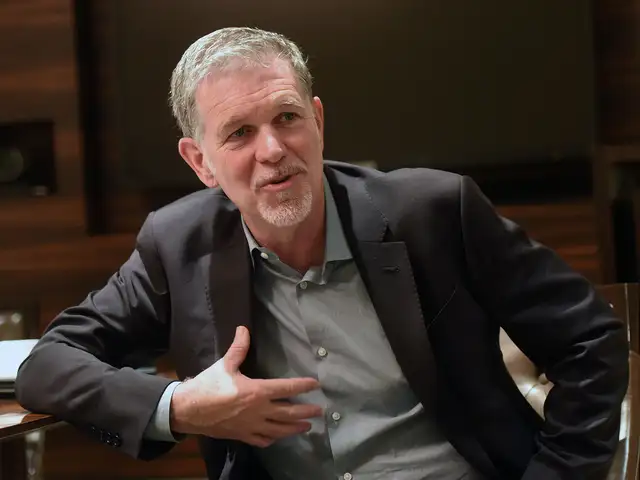

According to Oza, this crossover from celebrity to entrepreneur is a smart one. “I think most celebrities have the ability to transit into the business and entrepreneurial world and more and more are doing it these days,” he says. Oza credits 50 Cent for changing the game and making celebrities realise they could significantly increase their value. “They realised they could add another zero or in some rare cases, two zeroes, to how much they were getting paid through equity. But it’s a gamble. The smart ones — I have worked with Justin Timberlake, Jennifer Aniston, Madonna — all understood and believed in their brands and they took the skin in the game.”
ADVERTISEMENT
While he’s successfully managed to turn many celebrities into businesspersons, channelling his vision and theirs, there have been times when Oza has missed out on a great deal — and it hurt. “It’s very stressful. Do you ever fully get over it?” he asks, and then recalls one such incident that he has found hard to shake off: “A friend offered me the opportunity to invest in a ride-sharing app five years ago. And I texted him thinking I would put some money in it. He didn’t respond. So I texted him again. Didn’t respond. So, I said forget it. How much am I going to make out of this ride-sharing app? Turned out to be Uber. You can’t get over it. When I tell people about it, it’s cathartic,” he says with a laugh.
How does he deal with the disappointment? “When deals don’t go the way you want, you need to have an exit channel. For me, it’s hanging with close friends, dancing [which is a big part of what I do]. Socialising with friends and escaping is my way of moving forward. If you just work the whole time, your brain never recharges.” Moving forward, Oza says that the next big segments that will make a positive disruption are food, tech and health care. “These are going to be the Big Three.” He adds, “Ninety per cent of the things on shelves these days are not good for you. They are full of chemicals, preservatives, high sugar and so on. I think the brands of yesterday will not be the brands of tomorrow, especially when it comes to food, beverage and beauty. Globally this is happening. America is already there, trying to create a solution — maybe because we started a product that is so bad and now we are trying to come up with a solution.”
Download
The Economic Times Business News App for the Latest News in Business, Sensex, Stock Market Updates & More.
The Economic Times Business News App for the Latest News in Business, Sensex, Stock Market Updates & More.
ADVERTISEMENT


