This ‘Rainbow Diet’ can go a long way to help you keep healthy & fit
Rainbows can add colour as well as years to your life...
By PTI | Updated:

Agencies
Nutritionists will tell you to eat a rainbow of fruit and vegetables. This isn't just because it looks nice on the plate. Each colour signifies different nutrients our body needs.
The nutrients found in plant foods are broadly referred to as phytonutrients. There are at least 5,000 known phytonutrients, and probably many more.
So what does each colour do for our body and our overall health?
Red
Red fruits and vegetables are coloured by a type of phytonutrient called "carotenoids" (including ones named lycopene, flavones and quercetin - but the names aren't as important as what they do). These carotenoids are found in tomatoes, apples, cherries, watermelon, red grapes, strawberries and capsicum.
These carotenoids are known as antioxidants. You will have heard this name before, but you might not remember what it means. It has something to do with "free radicals", which you've also probably heard of before.
Free radicals are formed naturally in our body as a byproduct of all our usual bodily processes such as breathing and moving, but they also come from UV light exposure, smoking, air-pollutants and industrial chemicals.
Free radicals are unstable molecules that can damage proteins, cell membranes and DNA in our body. This natural but damaging process is known as oxidation or oxidative stress. This contributes to ageing, inflammation and diseases including cancer and heart disease.
Importantly, antioxidants "mop up" the free radicals that form in our body. They stabilise the free radicals so they no longer cause damage.
Increasing antioxidants in your diet lowers oxidative stress and reduces the risk of many diseases including arthritis, type 2 diabetes, heart disease, stroke and cancer.
Orange
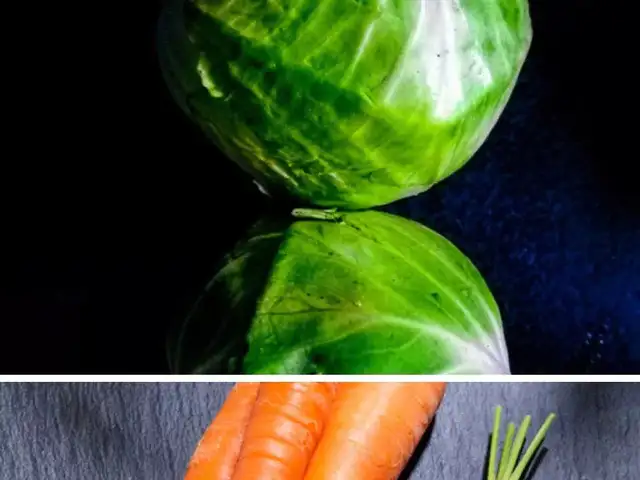
Orange fruits and vegetables also contain carotenoids, but slightly different ones to red veggies (including alpha and beta-carotene, curcuminoids, and others). These are found in carrots, pumpkins, apricots, mandarins, oranges and turmeric.
Alpha and beta-carotene are converted to vitamin A in our bodies, which is important for healthy eyes and good eyesight. Vitamin A is also an antioxidant that can target the parts of your body made of lipids (or fats) such as cell membranes.
The vitamin A targets the free radicals building up around our cell membranes and other areas made of lipids, reducing the risk of cancers and heart disease.
Yellow
Yellow fruit and vegetables also contain carotenoids, but they also contain other phytonutrients including lutein, zeaxanthin, meso-zeaxanthin, viola-xanthin and others. These are found in apples, pears, bananas, lemons and pineapple.
Lutein, meso-zeaxanthin and zeaxanthin have been shown to be particularly important for eye health and can reduce the risk of age-related macular degeneration, which leads to blurring of your central vision.
These phytonutrients can also absorb UV light in your eyes, acting like a sunscreen for the eyes and protecting them from sun damage.
Green
Green fruits and vegetables contain many phytonutrients including chlorophyll (which you probably remember from high school biology), catechins, epigallocatechin gallate, phytosterols, nitrates and also an important nutrient known as folate (or vitamin B9). These are found in avocados, Brussels sprouts, apples, pears, green tea and leafy vegetables.
These also act as antioxidants and therefore have the benefits as described above for red veggies. But this group also provides important benefits in keeping your blood vessels healthy, by promoting something called "vasodilation".
These phytonutrients help make our blood vessels more elastic and flexible allowing them to widen or dilate. This improves blood circulation and reduces blood pressure, reducing our risk of heart and other vessel complications and disease.
Folate is recommended before pregnancy because it helps reduce the risk of neural tube defects (such as spina bifida) in babies. Folate helps the development of the foetal nervous system during the first few weeks of pregnancy, as it has been shown to promote healthy cell division and DNA synthesis.
Blue and purple
Blue and purple produce contain other types of phytonutrients including anthocyanins, resveratrol, tannins and others. They are found in blackberries, blueberries, figs, prunes and purple grapes.
Anthocyanins also have antioxidant properties and so provide benefits in reducing the risk of cancer, heart disease and stroke, as explained under red fruit and veg.
More recent evidence has indicated they may also provide improvements in memory. It is thought this occurs by improving signalling between brain cells and making it easier for the brain to change and adapt to new information (known as brain plasticity).
Brown and white
Brown and white fruits and vegetables are coloured by a group of phytonutrients known as "flavones", this includes apigenin, luteolin, isoetin and others. These are found in foods such as garlic, potatoes and bananas.
Another phytonutrient found in this colour of vegetables, particularly in garlic, is allicin. Allicin has been shown to have anti-bacterial and anti-viral properties.
Most of this research is still at the lab-bench and not many clinical trials have been done in humans, but lab-based studies have found it reduces microorganisms when grown under laboratory conditions.
Allicin has also been found in systematic reviews to normalise high blood pressure by promoting dilation of the blood vessels.
How can I get more veggies in my diet?
Coloured fruit and vegetables, and also herbs, spices, legumes and nuts provide us with a plethora of phytonutrients. Promoting a rainbow of fruit and vegetables is a simple strategy to maximise health benefits across all age groups.
However most of us don't get the recommended amount of fruit and vegetables each day. Here are some tips to improve your intake:
1. when doing your fruit and vegetable shopping, include a rainbow of colours in your shopping basket (frozen varieties are absolutely fine)
2. try some new fruit and vegetables you haven't had before. The internet has tips on many different ways to cook veggies
3. buy different colours of the fruit and vegetables you normally eat like apples, grapes, onions and lettuces
4. eat the skins, as the phytonutrients may be present in the skin in higher amounts
5. don't forget herbs and spices also contain phytonutrients, add them to your cooking as well (they also make vegetables more appealing!)
(The article has been shared by PTI via The Conversation)
The nutrients found in plant foods are broadly referred to as phytonutrients. There are at least 5,000 known phytonutrients, and probably many more.
So what does each colour do for our body and our overall health?
Red
Red fruits and vegetables are coloured by a type of phytonutrient called "carotenoids" (including ones named lycopene, flavones and quercetin - but the names aren't as important as what they do). These carotenoids are found in tomatoes, apples, cherries, watermelon, red grapes, strawberries and capsicum. These carotenoids are known as antioxidants. You will have heard this name before, but you might not remember what it means. It has something to do with "free radicals", which you've also probably heard of before.
Free radicals are formed naturally in our body as a byproduct of all our usual bodily processes such as breathing and moving, but they also come from UV light exposure, smoking, air-pollutants and industrial chemicals.
ADVERTISEMENT
Free radicals are unstable molecules that can damage proteins, cell membranes and DNA in our body. This natural but damaging process is known as oxidation or oxidative stress. This contributes to ageing, inflammation and diseases including cancer and heart disease.
Importantly, antioxidants "mop up" the free radicals that form in our body. They stabilise the free radicals so they no longer cause damage.
Increasing antioxidants in your diet lowers oxidative stress and reduces the risk of many diseases including arthritis, type 2 diabetes, heart disease, stroke and cancer.
Orange
Orange fruits and vegetables also contain carotenoids, but slightly different ones to red veggies (including alpha and beta-carotene, curcuminoids, and others). These are found in carrots, pumpkins, apricots, mandarins, oranges and turmeric. ADVERTISEMENT
Alpha and beta-carotene are converted to vitamin A in our bodies, which is important for healthy eyes and good eyesight. Vitamin A is also an antioxidant that can target the parts of your body made of lipids (or fats) such as cell membranes.
The vitamin A targets the free radicals building up around our cell membranes and other areas made of lipids, reducing the risk of cancers and heart disease.
ADVERTISEMENT
Yellow
Yellow fruit and vegetables also contain carotenoids, but they also contain other phytonutrients including lutein, zeaxanthin, meso-zeaxanthin, viola-xanthin and others. These are found in apples, pears, bananas, lemons and pineapple. Lutein, meso-zeaxanthin and zeaxanthin have been shown to be particularly important for eye health and can reduce the risk of age-related macular degeneration, which leads to blurring of your central vision.
These phytonutrients can also absorb UV light in your eyes, acting like a sunscreen for the eyes and protecting them from sun damage.
Green
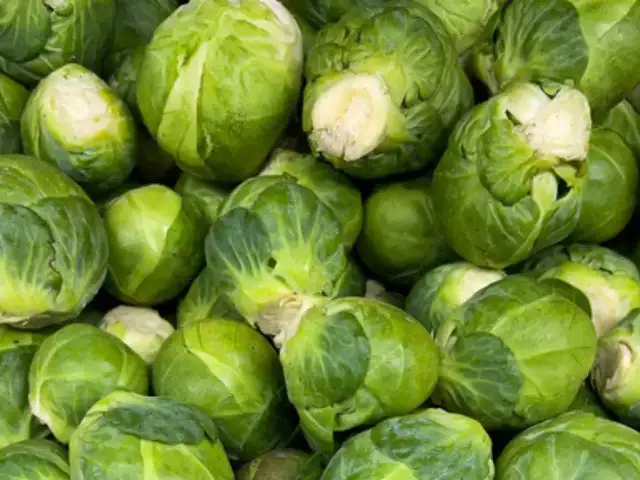
Green fruits and vegetables contain many phytonutrients including chlorophyll (which you probably remember from high school biology), catechins, epigallocatechin gallate, phytosterols, nitrates and also an important nutrient known as folate (or vitamin B9). These are found in avocados, Brussels sprouts, apples, pears, green tea and leafy vegetables. These also act as antioxidants and therefore have the benefits as described above for red veggies. But this group also provides important benefits in keeping your blood vessels healthy, by promoting something called "vasodilation".
These phytonutrients help make our blood vessels more elastic and flexible allowing them to widen or dilate. This improves blood circulation and reduces blood pressure, reducing our risk of heart and other vessel complications and disease.
Folate is recommended before pregnancy because it helps reduce the risk of neural tube defects (such as spina bifida) in babies. Folate helps the development of the foetal nervous system during the first few weeks of pregnancy, as it has been shown to promote healthy cell division and DNA synthesis.
Blue and purple
Blue and purple produce contain other types of phytonutrients including anthocyanins, resveratrol, tannins and others. They are found in blackberries, blueberries, figs, prunes and purple grapes. Anthocyanins also have antioxidant properties and so provide benefits in reducing the risk of cancer, heart disease and stroke, as explained under red fruit and veg.
More recent evidence has indicated they may also provide improvements in memory. It is thought this occurs by improving signalling between brain cells and making it easier for the brain to change and adapt to new information (known as brain plasticity).
Brown and white
Brown and white fruits and vegetables are coloured by a group of phytonutrients known as "flavones", this includes apigenin, luteolin, isoetin and others. These are found in foods such as garlic, potatoes and bananas. Another phytonutrient found in this colour of vegetables, particularly in garlic, is allicin. Allicin has been shown to have anti-bacterial and anti-viral properties.
Most of this research is still at the lab-bench and not many clinical trials have been done in humans, but lab-based studies have found it reduces microorganisms when grown under laboratory conditions.
Allicin has also been found in systematic reviews to normalise high blood pressure by promoting dilation of the blood vessels.
How can I get more veggies in my diet?
Coloured fruit and vegetables, and also herbs, spices, legumes and nuts provide us with a plethora of phytonutrients. Promoting a rainbow of fruit and vegetables is a simple strategy to maximise health benefits across all age groups. However most of us don't get the recommended amount of fruit and vegetables each day. Here are some tips to improve your intake:
1. when doing your fruit and vegetable shopping, include a rainbow of colours in your shopping basket (frozen varieties are absolutely fine)
2. try some new fruit and vegetables you haven't had before. The internet has tips on many different ways to cook veggies
3. buy different colours of the fruit and vegetables you normally eat like apples, grapes, onions and lettuces
4. eat the skins, as the phytonutrients may be present in the skin in higher amounts
5. don't forget herbs and spices also contain phytonutrients, add them to your cooking as well (they also make vegetables more appealing!)
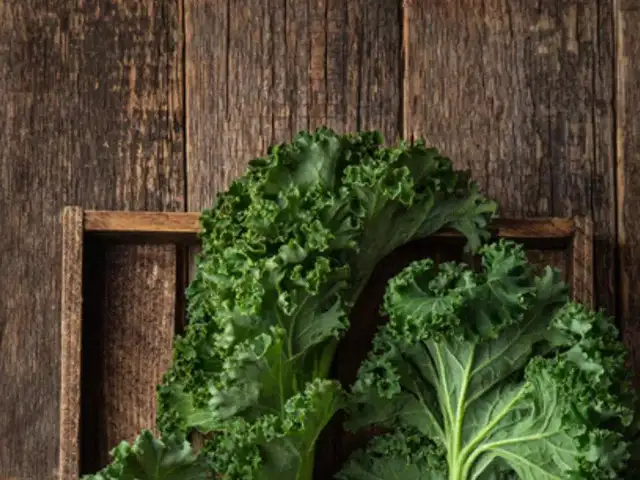
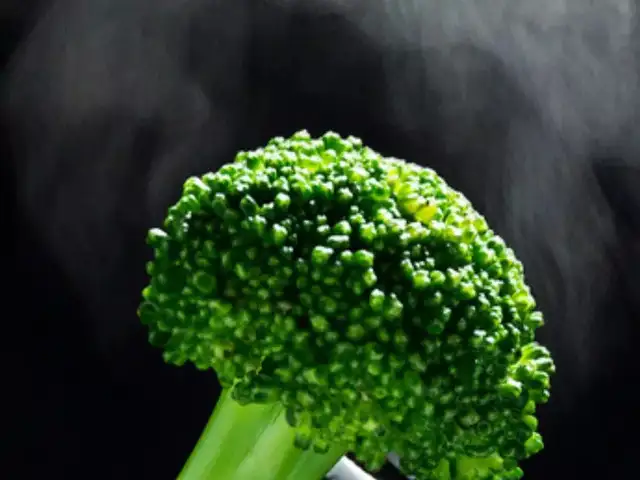
Winter is here! The change in season also brings along ailments such as cold, cough, and flu. A healthy serving of vegetables in your diet may give you a much-needed respite from seasonal ailments. Swipe left to see some of the most nutrient-rich vegetables.







(The article has been shared by PTI via The Conversation)
Download
The Economic Times Business News App for the Latest News in Business, Sensex, Stock Market Updates & More.
The Economic Times Business News App for the Latest News in Business, Sensex, Stock Market Updates & More.
ADVERTISEMENT


