This menstrual hygiene brand is using cricket to break social taboos
During the recently concluded IPL, Niine was the title sponsor for the Rajasthan Royals.
By ET Bureau |

Agencies
The Niine brand of menstrual hygiene products, which has been breaking taboos since its inception with innovative campaigns and products, has taken its marketing strategies up a notch. During the recently concluded IPL, Niine was the title sponsor for the Rajasthan Royals.
“We were excited about this association right from the outset. Our aim was to initiate conversation about periods, and what better platform than the most watched sports tournament? Even when we announced it to the team, we could see a wave of excitement and upliftment of morale. Seeing the energy in the team, we knew we had made the right choice,” said Gaurav Bathwal, cofounder, Niine Hygiene and Personal Care.
“Partnering with Rajasthan Royals not only helped us break taboos among both men and women, but it also created a positive impact on trade. Today, Niine has become a recognised brand in the ecosystem and distributors and retailers feel a sense of pride in being associated with the brand,” said Tara Singh Chahar, national sales manager, Niine Hygiene and Personal Care.
Niine’s distributors also displayed pride and excitement regarding the brand’s association with the IPL. “Our energy levels doubled when we knew that Niine was not only supporting the menstrual hygiene of so many women, but also supported hand sanitisation needs of the Rajasthan Royals team during the pandem ic. We felt pride at being a part of a campaign that’s also engaged in a social cause,” said Manas Jalan, Gorakhpur distributor for Niine Hygiene and Personal Care.
“It’s the first time that any brand has taken such a meaningful initiative, and I am really glad to be a part of this chain,” said Sanjay Kumar, Gurgaon distributor for Niine Hygiene and Personal Care. Niine, which has a strong foothold in the feminine hygiene industry, has recently launched a range of hand hygiene products. The brand’s vision is to be among the leading hygiene and personal care players by 2025, while providing innovative solutions for all demographics. Going forward, the brand expects to expand into more categories and diversify as a family brand with a range of products.
“We were excited about this association right from the outset. Our aim was to initiate conversation about periods, and what better platform than the most watched sports tournament? Even when we announced it to the team, we could see a wave of excitement and upliftment of morale. Seeing the energy in the team, we knew we had made the right choice,” said Gaurav Bathwal, cofounder, Niine Hygiene and Personal Care.
“Partnering with Rajasthan Royals not only helped us break taboos among both men and women, but it also created a positive impact on trade. Today, Niine has become a recognised brand in the ecosystem and distributors and retailers feel a sense of pride in being associated with the brand,” said Tara Singh Chahar, national sales manager, Niine Hygiene and Personal Care.
Niine’s distributors also displayed pride and excitement regarding the brand’s association with the IPL. “Our energy levels doubled when we knew that Niine was not only supporting the menstrual hygiene of so many women, but also supported hand sanitisation needs of the Rajasthan Royals team during the pandem ic. We felt pride at being a part of a campaign that’s also engaged in a social cause,” said Manas Jalan, Gorakhpur distributor for Niine Hygiene and Personal Care.
“It’s the first time that any brand has taken such a meaningful initiative, and I am really glad to be a part of this chain,” said Sanjay Kumar, Gurgaon distributor for Niine Hygiene and Personal Care. Niine, which has a strong foothold in the feminine hygiene industry, has recently launched a range of hand hygiene products. The brand’s vision is to be among the leading hygiene and personal care players by 2025, while providing innovative solutions for all demographics. Going forward, the brand expects to expand into more categories and diversify as a family brand with a range of products.
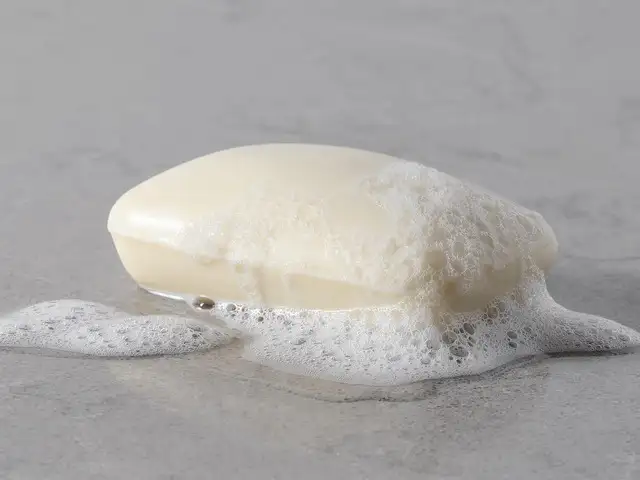
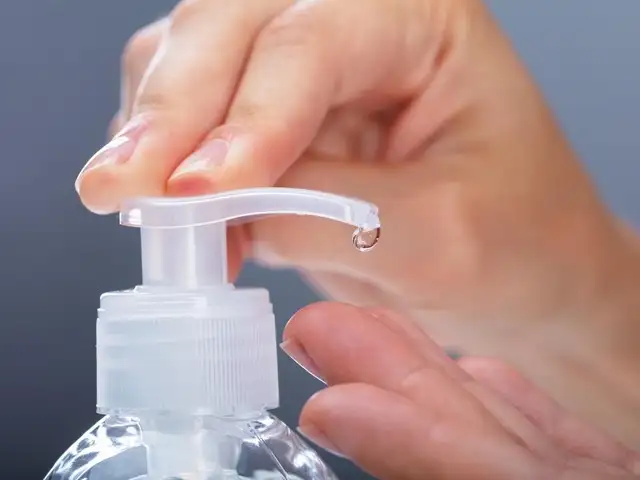
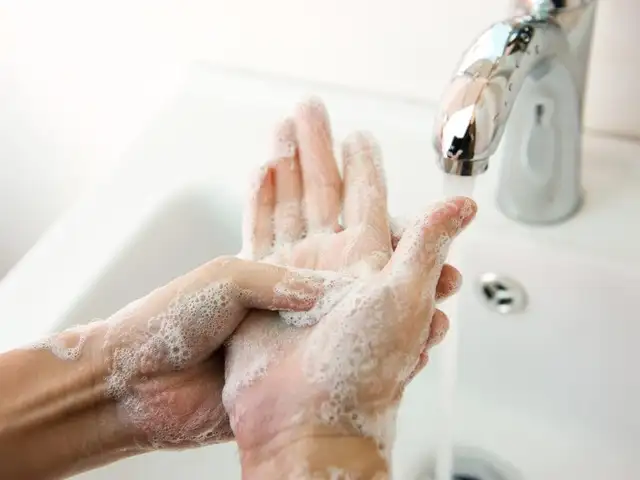
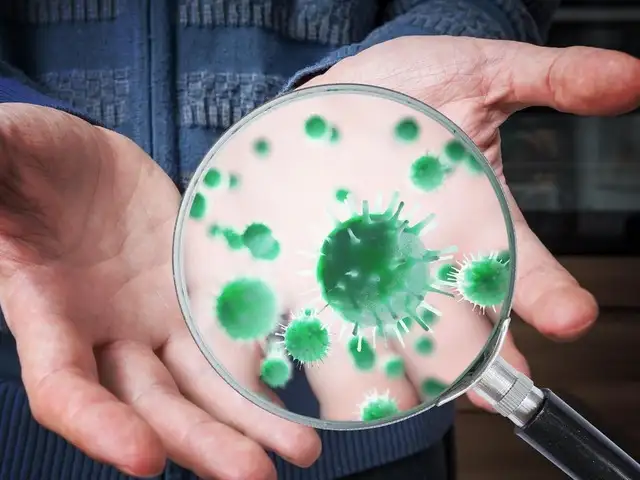
Keeping your hands clean menas staying healthy. As easy as it appears, washing hands come with a lot of dos and don'ts that people are not aware of.
On World Hand Hygiene Day, here's a list of facts that will ensure you always choose the right way to wash your hands.

Download
The Economic Times Business News App for the Latest News in Business, Sensex, Stock Market Updates & More.
The Economic Times Business News App for the Latest News in Business, Sensex, Stock Market Updates & More.
ADVERTISEMENT


