This hippo-shaped bathtub minted $4.3 mn at Christie's, earned 2,500% profit for its owner
Christie’s Monday evening sale of Impressionist and modern art totaled $191.9 million.
By Bloomberg |

Agencies
By Katya Kazakina
A bathtub shaped as a golden hippo sold for $4.3 million at Christie’s on Tuesday in New York, returning almost 2,500% to its owner, who purchased the work more than a decade earlier.
The work by François-Xavier Lalanne is a life-size incarnation of the African beast, with a sink and vanity folded into its maw and a full bathtub inside its body. The unique piece was made in 1969 from welded brass and copper. It was estimated at $1 million to $1.5 million. The anonymous owner bought it for $168,000 at a 2006 Sotheby’s auction.
The tub was among the quirkier items offered during the semiannual auction week that’s short on major works but includes more unusual pieces and overlooked artists. Christie’s and Phillips are targeting sales of $1.2 billion at the low end of the estimated range, down 24% from a year earlier. No works are expected to fetch more than $50 million.
Christie’s Monday evening sale of Impressionist and modern art totaled $191.9 million, within the estimated presale range, but 31% less than a similar auction last November. Rene Magritte’s “Le seize septembre” was the top lot. The painting fetched $19.6 million, almost double the high estimate.
The evening sale had some unusual works, too. One was childlike sculpture “Personnage” by Joan Miro, evoking a fertility goddess and a cartoon character, with two rounded forms on top of each other. It sold for $3.1 million, in line with the high estimate. Final prices include fees.
Another highlight was a posthumous cast of Umberto Boccioni’s bronze sculpture, “Unique Forms of Continuity in Space,” which drew multiple bidders and sold for $16.2 million, an auction record for the Italian futurist and about four times more than estimated.
Lalanne, who was part of the late husband-and-wife artistic duo known as Les Lalannes, has seen a recent surge in demand for the whimsical and utilitarian animal-inspired objects. Last month at Sotheby’s in Paris, their personal collection fetched $101.5 million, quadruple the high estimate. Every piece was sold, with collectors from 43 countries participating in the two-day event.
A bathtub shaped as a golden hippo sold for $4.3 million at Christie’s on Tuesday in New York, returning almost 2,500% to its owner, who purchased the work more than a decade earlier.
The work by François-Xavier Lalanne is a life-size incarnation of the African beast, with a sink and vanity folded into its maw and a full bathtub inside its body. The unique piece was made in 1969 from welded brass and copper. It was estimated at $1 million to $1.5 million. The anonymous owner bought it for $168,000 at a 2006 Sotheby’s auction.
The tub was among the quirkier items offered during the semiannual auction week that’s short on major works but includes more unusual pieces and overlooked artists. Christie’s and Phillips are targeting sales of $1.2 billion at the low end of the estimated range, down 24% from a year earlier. No works are expected to fetch more than $50 million.
Christie’s Monday evening sale of Impressionist and modern art totaled $191.9 million, within the estimated presale range, but 31% less than a similar auction last November. Rene Magritte’s “Le seize septembre” was the top lot. The painting fetched $19.6 million, almost double the high estimate.
#AuctionUpdate François-Xavier Lalanne’s ‘Hippopotame I’ Bathtub’ makes a splash at our #LaMenagerie sale in New Yo… https://t.co/sE894NIbPd
— Christie's (@ChristiesInc) 1573570795000ADVERTISEMENT
The evening sale had some unusual works, too. One was childlike sculpture “Personnage” by Joan Miro, evoking a fertility goddess and a cartoon character, with two rounded forms on top of each other. It sold for $3.1 million, in line with the high estimate. Final prices include fees.
Another highlight was a posthumous cast of Umberto Boccioni’s bronze sculpture, “Unique Forms of Continuity in Space,” which drew multiple bidders and sold for $16.2 million, an auction record for the Italian futurist and about four times more than estimated.
Lalanne, who was part of the late husband-and-wife artistic duo known as Les Lalannes, has seen a recent surge in demand for the whimsical and utilitarian animal-inspired objects. Last month at Sotheby’s in Paris, their personal collection fetched $101.5 million, quadruple the high estimate. Every piece was sold, with collectors from 43 countries participating in the two-day event.
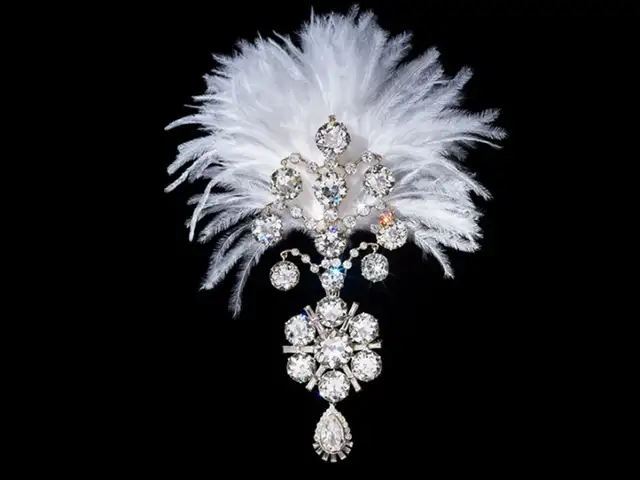
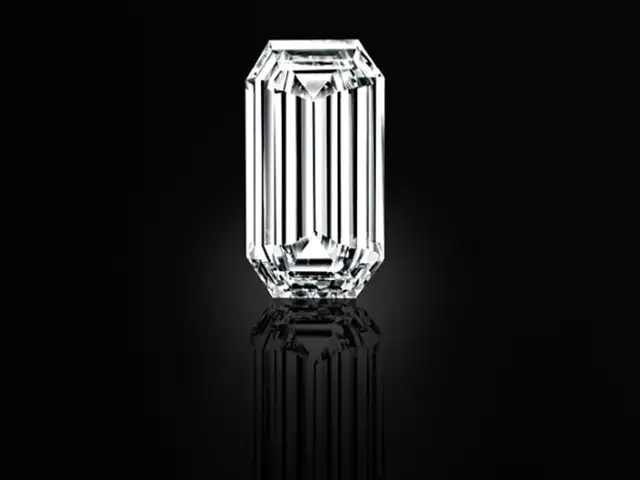
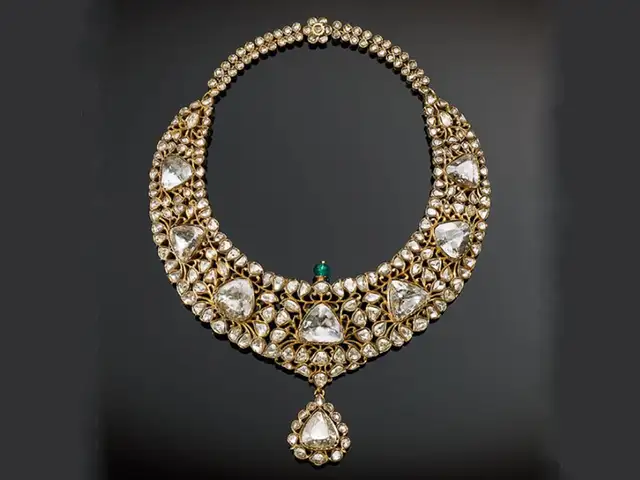
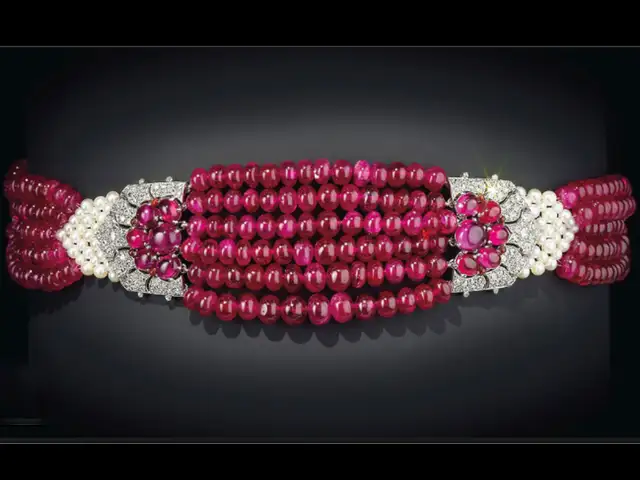
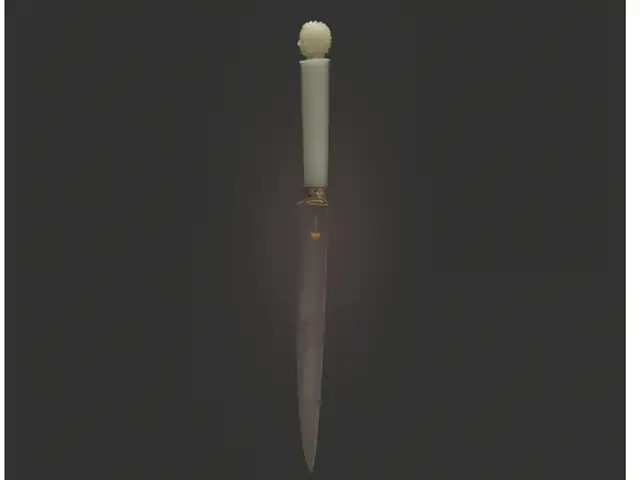
A dagger of an emperor, an ornate pen case and a 17th century necklace of the Nizam. These are among the 400 pieces of ancient Indian treasures and Mughal jewels set to go under the hammer in New York on June 19.
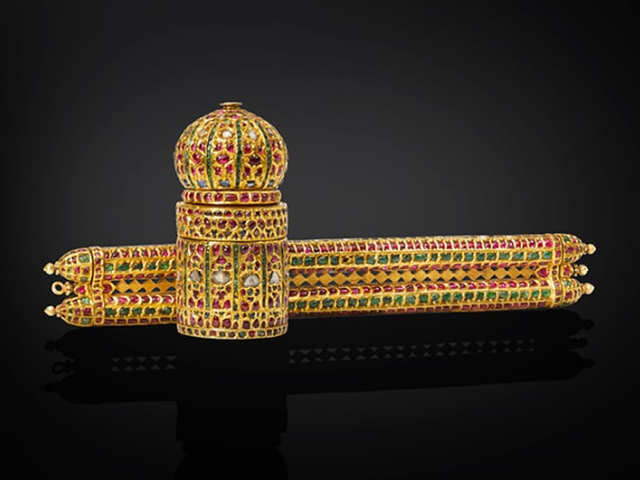
It is a known fact that during the reign of the Mughal dynasty, jewelled pen case and inkwell sets were presented to persons of utmost distinction. This emerald, ruby and diamond-set pen case and inkwell has the engraving of a sacred swan or hamsa under the inkwell. It is dated back to the late 16th century and is said to have originated in the Deccan region.

ADVERTISEMENT
Download
The Economic Times Business News App for the Latest News in Business, Sensex, Stock Market Updates & More.
The Economic Times Business News App for the Latest News in Business, Sensex, Stock Market Updates & More.
ADVERTISEMENT


