Food for thought: Why IKEA started serving snacks at their outlets
The store recently set foot on Indian grounds, with their first store in Hyderabad.
By Vikram Doctor, ET Bureau |

Agencies
After the stories about the stampede at the opening of India’s first IKEA store in Hyderabad, came the stories on the food. Most noted that the IKEA’s iconic Swedish meatballs were not made from beef or pork but chicken and veggies. And with 1,000 seats, it is the largest IKEA restaurant in the world.
But why did a furniture-seller get into food at all? Because of their size IKEA’s stores are situated on city outskirts, far from regular restaurants. It took time to get there and shop and as Ingvar Kamprad, IKEA’s founder realised, “it’s difficult to do business with someone on an empty stomach”.
IKEA opened a self-service cafeteria around 1958 and has never looked back. Because food was not initially a profit centre, it was priced cheap, and the simple, functional-yet-tasty menu was another way to, literally, imbibe the IKEA philosophy. Today around 30 per cent of its visitors only come for the food, and IKEA is apparently considering opening dedicated restaurants.
Restaurants in stores started with large American department stores like Macy’s in New York. The basic idea has always been to encourage people to stay in the store, so they might spend more. It is also why stores opened some of the first well-maintained, public toilets.
Department store restaurants were also historically important for specifically targeting women (and many were run by them). Initially restaurants weren’t seen as suitable places for respectable women, but store restaurants — which rarely served alcohol — were the exception. They were rare spaces where women could meet outside their homes.
This focus led to food felt to be suitable for female customers — lighter, with lots of salads, snacks and desserts. (Hot, strong-smelling food was also discouraged for fear of its odours leaking into the larger store). Chicken salad and ice-cream desserts were the emblematic store restaurant foods. It was, in fact, a template for the casual cafes of today, serving healthy, quickly made food.
In India the big stores of the Raj, like Whiteaway & Laidlaw and Army & Navy, didn’t bother much with restaurants possibly because a lot of their business was with ‘up-country’ customers through catalogues. Spencers in Madras had a restaurant, perhaps because railway catering was already a big part of their business. I remember their excellent hot, jam-filled doughnuts.
The department stores that came up more recently often had a rather dismal coffee shop. Many are now in malls and simply pass on the customer feeding job to the food court. But recently I found a thriving example of retail businesses serving customers food.
It was in a part of Mumbai with many large sari shops, where customers come for large wedding orders. Outside nearly every shop was a bhel and pani-puriwalla with the usual crowd of customers. But occasionally orders would come from inside the sari shop. Some customers were looking promising for big sales; time to lavish them with chai and sev-puri, the desi, and more delicious, version of IKEA’s meatballs!.
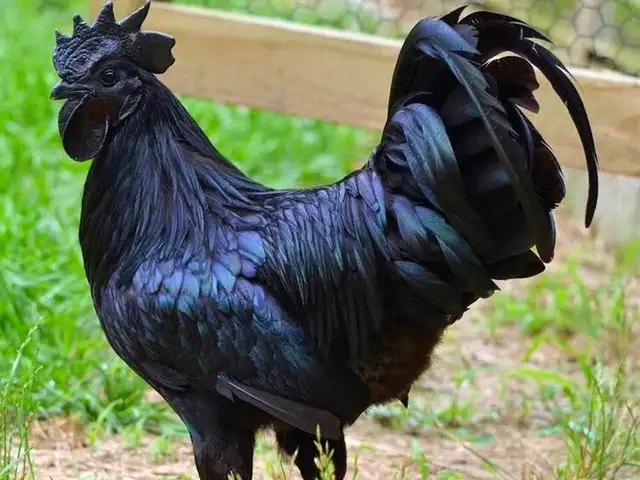
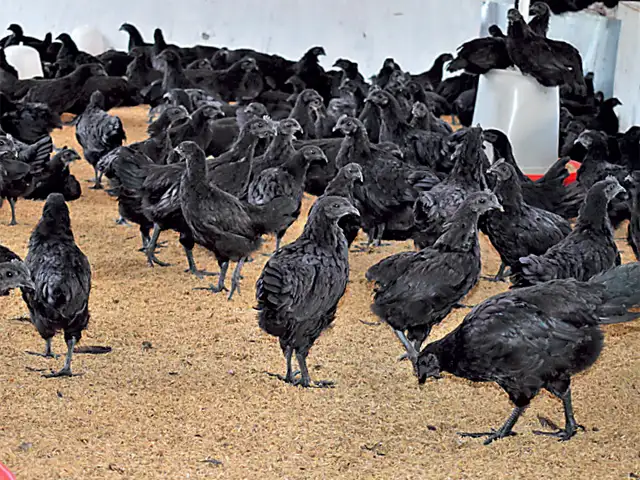
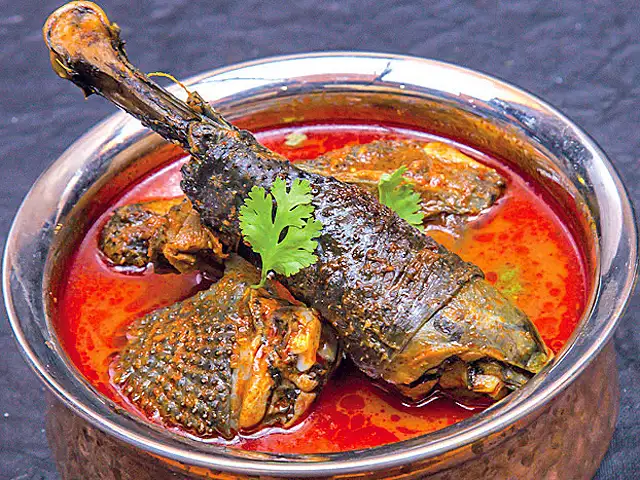
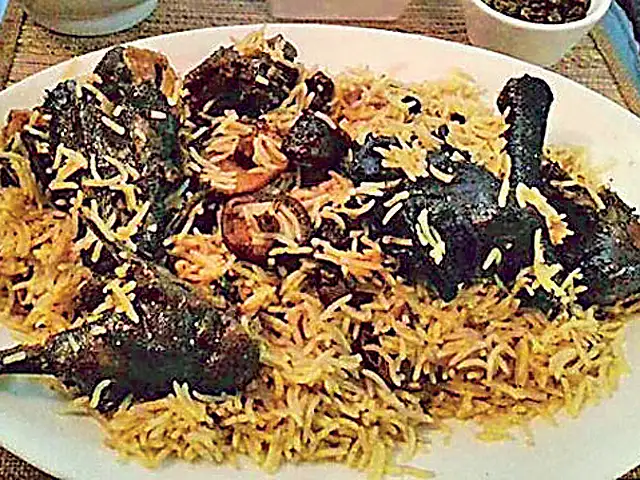
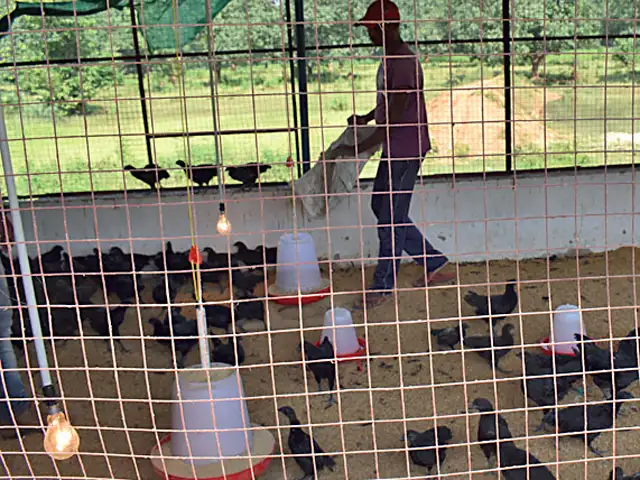
A fowl from poverty-stricken and Naxal-affected Dantewada region in Chhattisgarh is slowly getting to be the favoured white meat on urban menus. The ironies are flavourful.
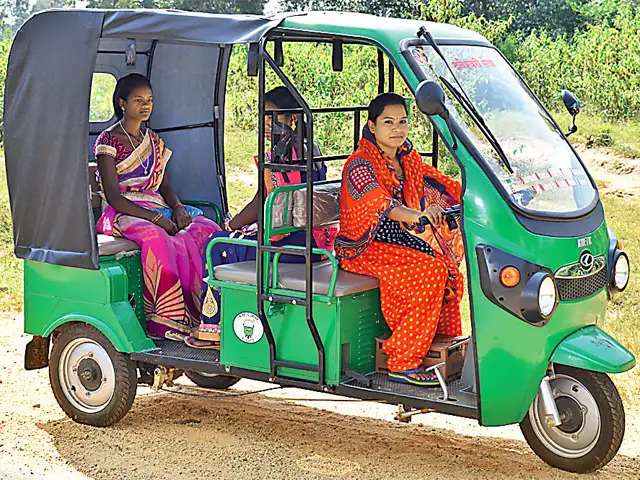
The chicken has black meat and the state government is hoping women autodrivers will give it the required fillip to reach the economic scale to be self-sustaining.
But why did a furniture-seller get into food at all? Because of their size IKEA’s stores are situated on city outskirts, far from regular restaurants. It took time to get there and shop and as Ingvar Kamprad, IKEA’s founder realised, “it’s difficult to do business with someone on an empty stomach”.
IKEA opened a self-service cafeteria around 1958 and has never looked back. Because food was not initially a profit centre, it was priced cheap, and the simple, functional-yet-tasty menu was another way to, literally, imbibe the IKEA philosophy. Today around 30 per cent of its visitors only come for the food, and IKEA is apparently considering opening dedicated restaurants.
Restaurants in stores started with large American department stores like Macy’s in New York. The basic idea has always been to encourage people to stay in the store, so they might spend more. It is also why stores opened some of the first well-maintained, public toilets.
Department store restaurants were also historically important for specifically targeting women (and many were run by them). Initially restaurants weren’t seen as suitable places for respectable women, but store restaurants — which rarely served alcohol — were the exception. They were rare spaces where women could meet outside their homes.
ADVERTISEMENT
This focus led to food felt to be suitable for female customers — lighter, with lots of salads, snacks and desserts. (Hot, strong-smelling food was also discouraged for fear of its odours leaking into the larger store). Chicken salad and ice-cream desserts were the emblematic store restaurant foods. It was, in fact, a template for the casual cafes of today, serving healthy, quickly made food.
In India the big stores of the Raj, like Whiteaway & Laidlaw and Army & Navy, didn’t bother much with restaurants possibly because a lot of their business was with ‘up-country’ customers through catalogues. Spencers in Madras had a restaurant, perhaps because railway catering was already a big part of their business. I remember their excellent hot, jam-filled doughnuts.
The department stores that came up more recently often had a rather dismal coffee shop. Many are now in malls and simply pass on the customer feeding job to the food court. But recently I found a thriving example of retail businesses serving customers food.
ADVERTISEMENT
It was in a part of Mumbai with many large sari shops, where customers come for large wedding orders. Outside nearly every shop was a bhel and pani-puriwalla with the usual crowd of customers. But occasionally orders would come from inside the sari shop. Some customers were looking promising for big sales; time to lavish them with chai and sev-puri, the desi, and more delicious, version of IKEA’s meatballs!.
The chicken has black meat and the state government is hoping women autodrivers will give it the required fillip to reach the economic scale to be self-sustaining.

ADVERTISEMENT
Download
The Economic Times Business News App for the Latest News in Business, Sensex, Stock Market Updates & More.
The Economic Times Business News App for the Latest News in Business, Sensex, Stock Market Updates & More.
ADVERTISEMENT


