'The Handmaid's Tale' writer Margaret Atwood honoured with Dayton Literary Peace Prize
The Dayton lifetime achievement award carries a $10,000 prize.
By AP | Updated:

AP
CINCINNATI: Margaret Atwood, whose sweeping body of work includes ``The Handmaid's Tale,'' a depiction of a nightmarish totalitarian future for the United States, is this year's winner of a lifetime achievement award that celebrates literature's power to foster peace, social justice and global understanding.
The Canadian writer and teacher has earned the Richard C. Holbrooke Distinguished Achievement Award, officials of the Dayton Literary Peace Prize officials announced Monday. The award is named for the late U.S. diplomat who brokered the 1995 Bosnian peace accords reached in the Ohio city.
Atwood _ a prolific writer of poetry, fiction, nonfiction, essays, comic books and, as of late, tweets _ in recent years has drawn a new round of acclaim for her bestselling 1985 novel of a dystopian future in which women are subjugated after an overthrow of the U.S. government.
Some readers of ``The Handmaid's Tale'' saw in the leaders of authoritarian Gilead similarities to the rise of Republican Donald Trump to president in the election of 2016. The television adaptation on Hulu starring Elisabeth Moss generated yet more commentary, and women dressed in red cloaks and white bonnets, as the handmaids were depicted in the book and TV series, have shown up at political demonstrations.
``You're not there yet, or else you wouldn't be talking to me,'' Atwood said to a male Associated Press reporter, laughing over the phone. ``You'd probably be in an isolation prison or something or dead. ... How dare you talk to a female person over the phone and write about them?
``... And if I were a betting person, which naturally I kind of am, I would bet on American orneriness and refusal to line up,'' she added. ``So I don't think you're going to get people marching in lockstep easily. ... You could get it, but it would be hard.''
Atwood also thinks people are ``alert to the dangers'' of undermining the U.S. constitution.
``That is what stands between you and an absolutist dictatorship,'' she said.
Sharon Rab, the founder and chairwoman of the Dayton Literary Peace Prize Foundation, praised Atwood for popular success with writing that also educates people about pressing social justice and environmental issues.
``Margaret Atwood continues to remind us that `It can't happen here' cannot be depended upon; anything can happen anywhere given the right circumstances, and right now, with scorn for democratic institutions on the rise, her lessons are more vital than ever,`` Rab told The AP by email.
While not all books are conducive to peace and understanding, Atwood said, fiction can help people ``learn what it is to be a person different from ourselves, so that might cause you to have more empathy with people who aren't exactly like you.''
The Toronto resident's longtime partner, novelist Graeme Gibson, died at age 85 a year ago this month. Atwood, 80, said she tried to keep herself busily distracted after the loss, doing book promotions and other travel until the pandemic grounded her in March. She has since signed thousands of inserts and bookplates to support independent booksellers, and has given talks via Zoom.
She considers herself ``a realist, but on the optimistic side, because if you're pessimistic, you don't do anything. ... I think it's people who are realistic but inclined towards optimism who actually try to change direction.''
Atwood published her first book of poetry, ``Double Persephone,'' in 1961, and her other books have included ``Cat's Eye'' (1988), ``Alias Grace'' (1996), ``The Blind Assassin'' (2000), and ``The MaddAddam Trilogy'' (2003-2013). ``The Testaments,'' her 2019 sequel to ``The Handmaid's Tale,'' quickly joined her bestsellers.
The Dayton lifetime achievement award carries a $10,000 prize. Previous winners include Studs Terkel, Taylor Branch, John Irving, Gloria Steinem and Elie Wiesel.
The awards gathering originally planned for October is being rescheduled for spring 2021 because of pandemic precautions. Atwood will be joined by the 2020 winners of awards for fiction and nonfiction; finalists for those will be announced next month.
The Canadian writer and teacher has earned the Richard C. Holbrooke Distinguished Achievement Award, officials of the Dayton Literary Peace Prize officials announced Monday. The award is named for the late U.S. diplomat who brokered the 1995 Bosnian peace accords reached in the Ohio city.
Atwood _ a prolific writer of poetry, fiction, nonfiction, essays, comic books and, as of late, tweets _ in recent years has drawn a new round of acclaim for her bestselling 1985 novel of a dystopian future in which women are subjugated after an overthrow of the U.S. government.
Some readers of ``The Handmaid's Tale'' saw in the leaders of authoritarian Gilead similarities to the rise of Republican Donald Trump to president in the election of 2016. The television adaptation on Hulu starring Elisabeth Moss generated yet more commentary, and women dressed in red cloaks and white bonnets, as the handmaids were depicted in the book and TV series, have shown up at political demonstrations.
``You're not there yet, or else you wouldn't be talking to me,'' Atwood said to a male Associated Press reporter, laughing over the phone. ``You'd probably be in an isolation prison or something or dead. ... How dare you talk to a female person over the phone and write about them?
``... And if I were a betting person, which naturally I kind of am, I would bet on American orneriness and refusal to line up,'' she added. ``So I don't think you're going to get people marching in lockstep easily. ... You could get it, but it would be hard.''
ADVERTISEMENT
Atwood also thinks people are ``alert to the dangers'' of undermining the U.S. constitution.
``That is what stands between you and an absolutist dictatorship,'' she said.
Sharon Rab, the founder and chairwoman of the Dayton Literary Peace Prize Foundation, praised Atwood for popular success with writing that also educates people about pressing social justice and environmental issues.
``Margaret Atwood continues to remind us that `It can't happen here' cannot be depended upon; anything can happen anywhere given the right circumstances, and right now, with scorn for democratic institutions on the rise, her lessons are more vital than ever,`` Rab told The AP by email.
ADVERTISEMENT
While not all books are conducive to peace and understanding, Atwood said, fiction can help people ``learn what it is to be a person different from ourselves, so that might cause you to have more empathy with people who aren't exactly like you.''
The Toronto resident's longtime partner, novelist Graeme Gibson, died at age 85 a year ago this month. Atwood, 80, said she tried to keep herself busily distracted after the loss, doing book promotions and other travel until the pandemic grounded her in March. She has since signed thousands of inserts and bookplates to support independent booksellers, and has given talks via Zoom.
ADVERTISEMENT
She considers herself ``a realist, but on the optimistic side, because if you're pessimistic, you don't do anything. ... I think it's people who are realistic but inclined towards optimism who actually try to change direction.''
Atwood published her first book of poetry, ``Double Persephone,'' in 1961, and her other books have included ``Cat's Eye'' (1988), ``Alias Grace'' (1996), ``The Blind Assassin'' (2000), and ``The MaddAddam Trilogy'' (2003-2013). ``The Testaments,'' her 2019 sequel to ``The Handmaid's Tale,'' quickly joined her bestsellers.
The Dayton lifetime achievement award carries a $10,000 prize. Previous winners include Studs Terkel, Taylor Branch, John Irving, Gloria Steinem and Elie Wiesel.
The awards gathering originally planned for October is being rescheduled for spring 2021 because of pandemic precautions. Atwood will be joined by the 2020 winners of awards for fiction and nonfiction; finalists for those will be announced next month.
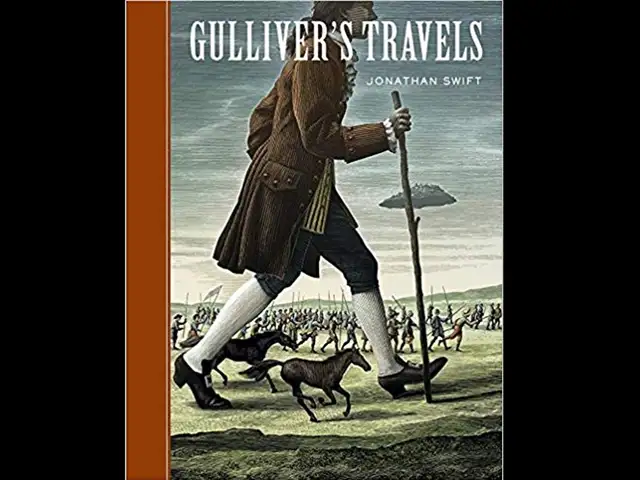
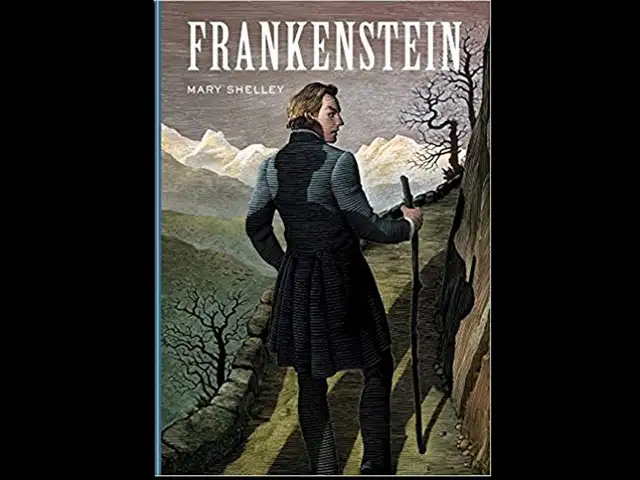
A look back at the different times when authors unleashed the Nostradamus in them and came up with something that was years ahead of its time.

Download
The Economic Times Business News App for the Latest News in Business, Sensex, Stock Market Updates & More.
The Economic Times Business News App for the Latest News in Business, Sensex, Stock Market Updates & More.
ADVERTISEMENT


