How music went from a lavish hobby requiring serious upkeep to its current day image
The music industry has seen monumental changes. Yet, live music has stuck around and plays on.
By ET CONTRIBUTORS | Updated:
Getty Images
When it comes to music, nothing beats the wholesome experience of a live setup,When it comes to music, nothing beats the wholesome experience of a live setup, writes Shashwat Kumar.
It’s been more than a century since the first record was made – we’re talking music here.
Back in the day, it was really simple. If you liked a record, you’d listen to it at a friend’s place. If a record really hit you, you’d buy it. You really had to want a piece of music to own it.
Since then, the reach of music has risen exponentially. It’s everywhere: blaring out of the car at a traffic light, as you walk past a market on a dull evening, or even just your noisy neighbour (that’s me).
Music was a lavish hobby back in the day, which took some serious upkeep. People would take time out to go to the local pub and watch artists expel flavours of their music into the audience. Let’s be honest: most people today treat music as something to sprinkle on top of their other daily doings.
Students listen to music while studying, athletes at the gym, and it’s even playing in the mall – we hear it, but is anyone really listening?
ADVERTISEMENT
This change in the culture of listening to music is a two-way street, as it’s always been. What’s made is what’s heard and is what’s made. Pop music today is more about the vibe than anything. We see lyrics and melodies fading as electronic jabs come blaring out front. At some level, it ought to be because of how we perceive music today. Music isn’t something that we delve into with our thoughts anymore, like in the good ol’ days.
A live setup is a wholesome experience, designed to infiltrate every conceivable sense of the human body. It’s a literal manifestation of the world through the artist’s eyes – the visuals and the stunts – it’s jam-packed with energy and as an audience you can’t help but love every moment of it.
Everybody must have experienced the moment before one enters a stadium bustling with life, feeling as alive as the music. Colloquially, it’s called a vibe, a 21st-century idea, rooting from the word ‘vibration.’ Science says that we use different parts of our brain to process activities we perform, but it’s been discovered that the arts, especially music, use all significant parts of the brain – even more so if you are a performer.
ADVERTISEMENT
Logically, the more ways you can get through to an audience, the better the chances of you actually getting through. Music, if critically reduced, is a mathematical frequency that the audience is riding on, driven by the artist, with the journey being the experience.
Have you ever talked to someone and suddenly they say exactly what you were about to say? A part of it is deducible but there surely is more to it, right? It’s about experiencing the same things at the same time and then reacting to it.
ADVERTISEMENT
In other words, if you vibe to something, you start thinking along the same lines. Music carries those vibrations across audiences, literally. That’s the reason for the uncanny excitement you feel when you see a performer get on stage. Everyone is experiencing that at the same time.
All this said, just commercially speaking, while artists make money through various industries other than showbiz, a large portion of their earnings comes from live performances.
Thirty years after the album ‘The Joshua Tree’ was released, U2 spent an entire year touring, reaching out to 2.7 million fans. According to Forbes, “The tail end of that outing and the beginning of U2’s next tour combined to help the band earn an estimated $118 million in our scoring period, making U2 the world’s highest-paid musical act yet again.”
The music industry has seen monumental changes. Yet, live music has stuck around and plays on.
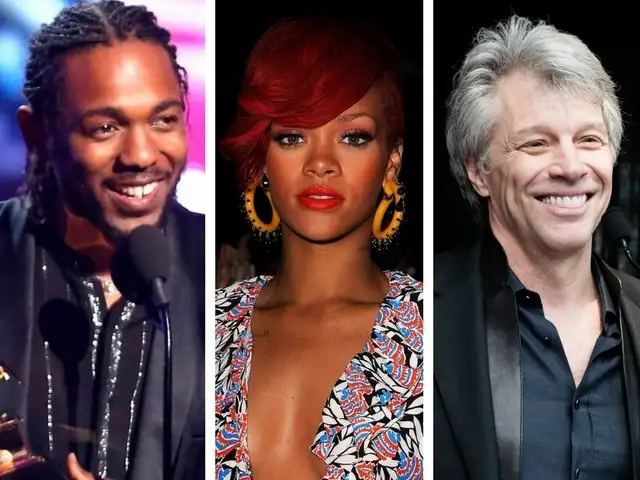
Contribution To Music: When Kendrick Lamar, Riri & Bon Jovi Made A Mark
1/3
Songs have the power to unite beyond their notes, just like these chart-toppers that evolved into anthems for landmark movements.
(Text: Shannon Tellis)
Songs have the power to unite beyond their notes, just like these chart-toppers that evolved into anthems for landmark movements.
(Text: Shannon Tellis)
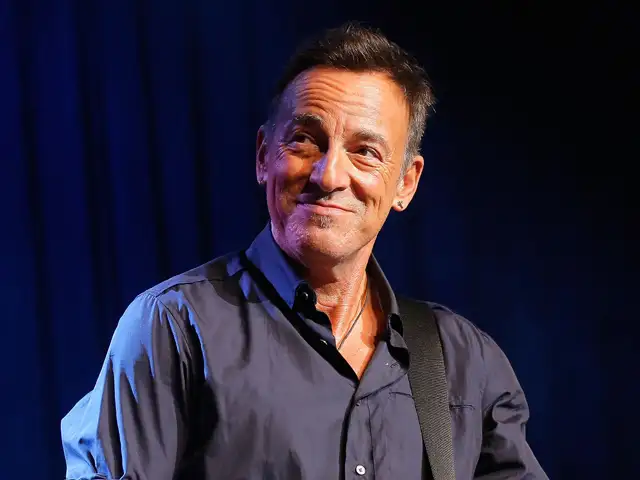
Bruce Springsteen
‘Born in the USA’ was written as an ironic retort to the Vietnam War. Given the song’s popularity, the staff on then president Ronald Reagan’s campaign trail thought it might be the perfect track for his 1984 re-election campaign, but it was rebuffed by Springsteen’s team. When Reagan referenced Springsteen in a speech anyway, he questioned if the then-president had even listened to his music. This incident paved the way for other artists to tell politicians to stop using their songs as endorsement.
Bruce Springsteen
‘Born in the USA’ was written as an ironic retort to the Vietnam War. Given the song’s popularity, the staff on then president Ronald Reagan’s campaign trail thought it might be the..
Read More
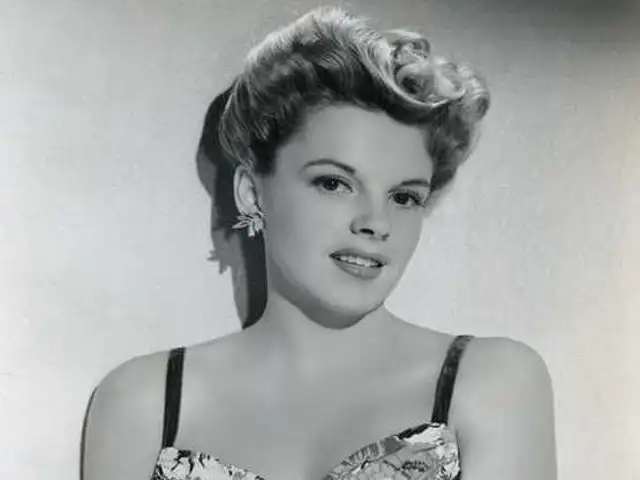
Judy Garland
Gay rights activist Gilbert Baker was inspired by this 1930s song when creating the rainbow flag (a universally recognised symbol of gay pride). It’s an unoffical anthem for the gay community and was even played at the vigil for victims of the Orlando gay night club shooting last year. Singer Judy Garland was often referred to as the ‘Elvis for homosexuals’ for her character’s easy acceptance of the dandified lion in The Wizard of Oz.
(Image: www.imdb.com)
Judy Garland
Gay rights activist Gilbert Baker was inspired by this 1930s song when creating the rainbow flag (a universally recognised symbol of gay pride). It’s an unoffical anthem for the gay com..
(Disclaimer: The opinions expressed in this column are that of the writer. The facts and opinions expressed here do not reflect the views of www.economictimes.com.)