BENGALURU: The ‘Cutting Paani’ movement — which made news a year ago as an ad campaign spelling the need for restaurants to serve only half-a-glass of drinking water to customers to reduce India’s water woes — has hit the F&B establishments of Bengaluru.
Vegetarian eatery Maia has trained its service staff to serve ‘cutting paani’. Water conservation placards have been placed on the dining tables. They have also employed reverse osmosis (RO) water treatment for its use in gardening and washrooms. “Implementing these practices has reduced our water consumption from 900 to 600 litres a day,” says owner Sejal Shah.
It has been a year since a satellite system warned the world about shrinking water reservoirs in Morocco, Iraq, India and Spain and launched the countdown to Day Zero crisis when taps will completely run dry.
From cooking, washing dishes, cleaning up and serving guests, restaurants use a good amount of water on a daily basis. While water is a necessity in the commercial kitchen, restaurateurs of Bengaluru’s thriving F&B industry are realising that it is a limited resource needing to be conserved. Rajinder Sareen, executive sous chef at Sheraton Grand, is implementing simple practices. “Steaming and blanching are preferred over boiling ingredients. Meat is defrosted naturally instead of placing it under running water. Ingredients are washed in reusable cooking water from low-flow taps and in small bowls,” he says.
While The Smoke Co does rain-water harvesting, many restobars like Watson’s, Byg Brewski Brewing Company and Social use recycled RO water for plants and wash rooms.
Ranveer Sabhani, business head for Social and Smoke House Deli, says, “An average RO purifier wastes about 3 litres of water for every 1 litre of purified water. It means only 25% of the water is purified and 75% of the water comes out as waste. We use this extra waste water for plants and washrooms.”
ADVERTISEMENT
Say Yes To Water, No To Coffee: How To Keep Your Stomach Healthy This Summer
1/5
Summer brings along various digestive issues. Not only do the high temperatures make us sweat more, they also reduce our immunity, so make sure you eat properly this season.
Kirti Chadha, Head of Global Reference laboratories, Metropolis Healthcare Ltd. says, "Summer brings a majority of digestion related illnesses. Considering the rise in temperature every year, it is very important to manage our food habits to avoid stomach illnesses."
Here are a few tips by Chadha to keep your stomach healthy this summer:
Summer brings along various digestive issues. Not only do the high temperatures make us sweat more, they also reduce our immunity, so make sure you eat properly this season.
Kirti Chadha, Head of Gl..
Read More
Keep yourself well-hydrated, always, as this helps in fighting 90 per cent of the diseases.
Fiber present in the body pulls water into the colon and helps the body in creating softer, bulkier stools. This makes the passage of the stools easier without causing fissures or piles.
Keep yourself well-hydrated, always, as this helps in fighting 90 per cent of the diseases.
Fiber present in the body pulls water into the colon and helps the body in creating softer, bulkier stools..
Read More
Limit your intake of caffeine as it can give rise to trouble with the smooth functioning of your digestive system, and lead to problems like stomach ulcers, acidity, and heartburn.
Limit your intake of caffeine as it can give rise to trouble with the smooth functioning of your digestive system, and lead to problems like stomach ulcers, acidity, and heartburn.
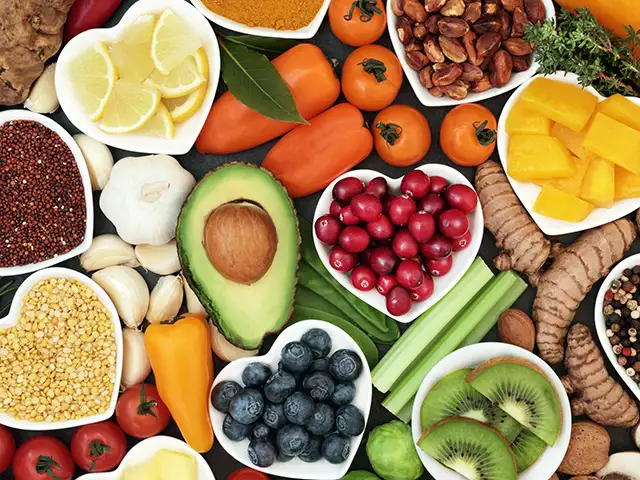
It is vital to increase fiber intake during the summer months. Including foods that are rich in fiber like whole grains, vegetables, legumes, and fruits can improve your digestive tract. A high-fiber diet helps in avoiding constipation which is a leading cause of fissure.
It is vital to increase fiber intake during the summer months. Including foods that are rich in fiber like whole grains, vegetables, legumes, and fruits can improve your digestive tract. A high-fiber..
Read More
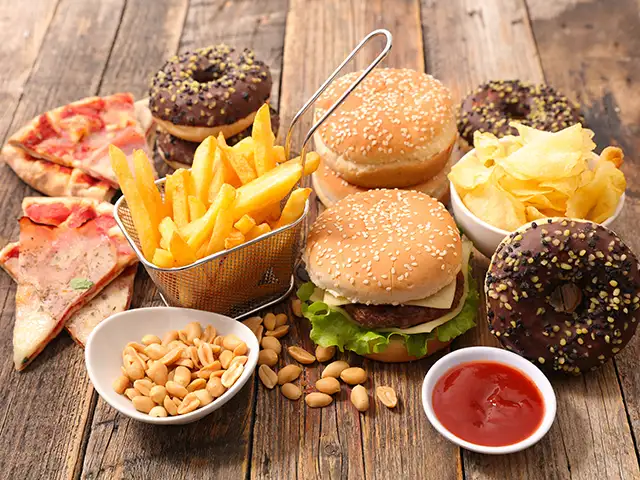
'Tis the season to avoid fatty food. Oily, fried food negatively affects the digestive process, hence it is best to stay off junk food during summer.
(Inputs: IANS)
'Tis the season to avoid fatty food. Oily, fried food negatively affects the digestive process, hence it is best to stay off junk food during summer.
(Inputs: IANS)
According to hospitality consultant PK Mohan Kumar, about 80% restaurants and hotels face water deficit. “Restaurants are predominantly driven by the availability of potable drinking water. About 60% of the working class eats lunch outside today. The future of F&B industry is, thus, dependent on water,” he says. At a recent general manager’s guild, he says, “Most drinking glasses used were sized at 100-120 ml. By nature, we consume a maximum of 90 ml of water at a time. Integrating smaller-sized glasses to avoid water wastage is better than policing.”
Bhakti Devi, founder of NEER Initiative, says water self-sufficiency is the need of the hour as about 54% of the Indian population lives in areas with extreme to high water stress. “Water deserves the same respect as money. We, including restaurants, need to start making our own water by rain water harvesting and grey water cycling and keep an account of its use. It is the only way to secure the future,” she says.