A Times of India (ToI) article in June 1937 describes a river in the Deccan summer diminished to a trickle. But on both sides flowed rivers of green vines “in which you seem to see a number of bald-headed men swimming. These are the watermelons”.
This vivid image sums up the summer magic of watermelons. Just when the heat is worst, watermelons appear as the seasonal solution. As that article describes, they thrive in the places most scorched by the sun, which goes back to their origins in the deserts of Africa, though exactly where is debated. It was long thought to be the Kalahari desert or Nigeria, which grows similar seeming egusi melons for their oil-rich seeds.
But the agroscientist Harry S.Paris has combined DNA testing, archaeological evidence like Egyptian tomb paintings and words used in Hebrew texts, like the Israelites under Moses remembering the watermelons of Egypt, to argue convincingly for an origin in northeastern Africa. Travellers in the desert found the fruits, while tasteless, stored a safe source of water. And then over centuries, it was bred to its current, crisp sweetness.
Egyptian watermelons were certainly famous. In 1886, ToI reported on the Bombay Natural History Society’s fruit show where a “Mr. Phipson exhibited two gigantic Egyptian watermelons, each of them being as much as a man could conveniently carry”. And Egypt’s central position, between Africa, Europe and Asia, was ideal for spreading watermelons across the world – to the USA, for example, where the slaves appreciated their thirst quenching properties while toiling on plantations.
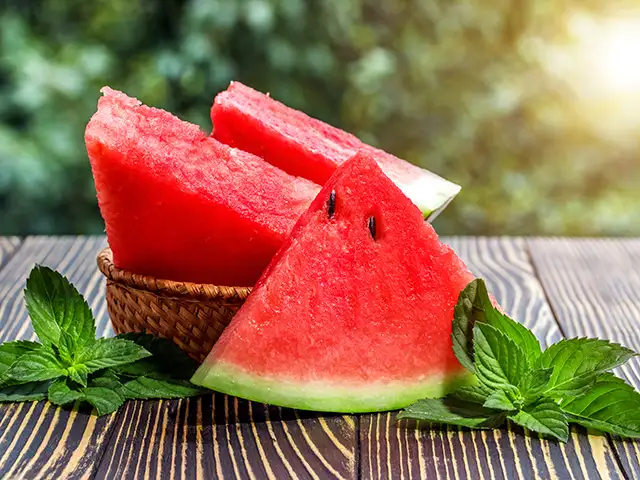
“They are the villagers icecream sherbet, cheap and plentiful, sweet and cool and satisfying to the taste,” ToI wrote in 1937 and yet, unlike other fruits cheap and abundant enough for the poor, the well-off did not disdain watermelons. Summer heat is an equaliser or perhaps we just have a visceral response to that contrast of redpink flesh against green skin (yellow fleshed watermelons, said to be among the sweetest, haven’t become popular in India yet).
ADVERTISEMENT
Nearly all this consumption is of the raw fruit, or uncooked juices, sorbets or slushes, like the amazing Iranian version, with sabja seeds, served at Shiraz Art Café in Chennai. Some now use it in cakes, like Black Star Pastry in Australia, whose cake made of a watermelon layer sandwiched between layers of almond meringue and rose cream has become a cult favourite, particularly in China (which grows by far more watermelons than anywhere else in the world).
Another recent cult culinary practice has been to actually cook watermelons by roasting or smoking them, and so strong is our familiarity with the fresh fruit that this seemed unlikely to result in anything good. Yet in Goa, Simona Rossi at the Italian restaurant Ciao Bella has perfected this as a vegan version of carpaccio, the raw meat dish. The smoked, compressed watermelon looks startlingly like real meat and tastes extraordinarily good. It shows how this most ancient of summer fruits still retains an ability to surprise and delight us.
Rich Fruits: From $50K For 12 Mangoes To $4,395 For A Single Strawberry
1/6
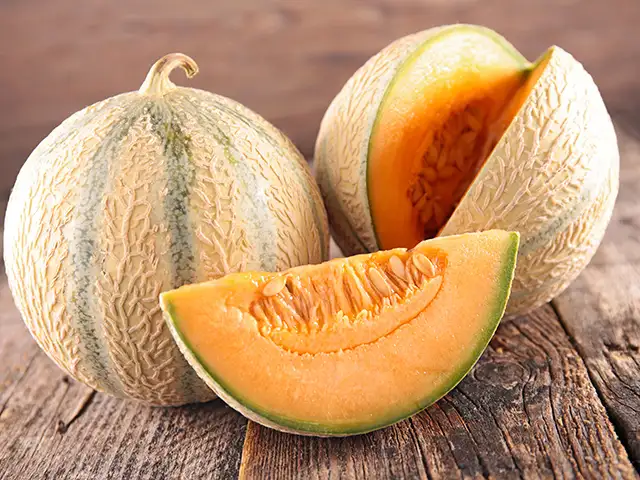
A pair of Yubari King Melons sold for $29,300 at an auction in Japan recently. Here’s a taste of some other expensive fruits.
A pair of Yubari King Melons sold for $29,300 at an auction in Japan recently. Here’s a taste of some other expensive fruits.
$6,000
Densuke Watermelons sell at auctions in Japan for exorbitant prices, typically anywhere from $2000-5000, per melon. Those big prices are only paid for the first few lots of the annual crop yield. A 2014 crop, however, broke all records, selling for a cool $6,000 per fruit. The extremely rare fruit is sweeter than regular watermelons, a little rounder and are a shade of pink, instead of the usual red on the inside. They are also known for their black and shiny skin as well as for their crunchy texture.
$6,000
Densuke Watermelons sell at auctions in Japan for exorbitant prices, typically anywhere from $2000-5000, per melon. Those big prices are only paid for the first few lots of the annual crop yi..
Read More
$50,000
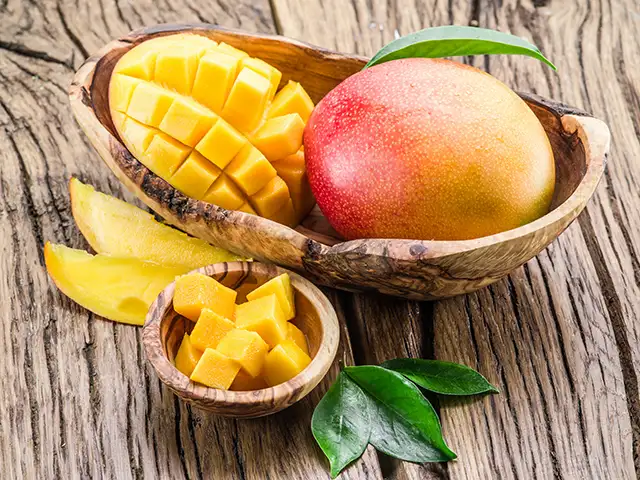
One might be forgiven for thinking that the world’s most expensive mango would come from India or some other tropical country. However, this record is held by Australia, where a tray of 12 mangoes were sold for a cool $50,000 in 2010. That made each mango worth about $4,000. The mangoes were purchased by Carlo Lorenti, owner of Clayfield Markets Fresh, one of Australia’s largest green grocery firms at an auction in Brisbane. Australia has been holding mango auctions since 1998 in celebration of the summer harvest season. Japan also attempts to claim they have the most valuable mangoes with a pair of mangoes called Ears of Sun sold for $2,000 each in April 2008.
$50,000
One might be forgiven for thinking that the world’s most expensive mango would come from India or some other tropical country. However, this record is held by Australia, where a tray of 12 m..
Read More
$4,395
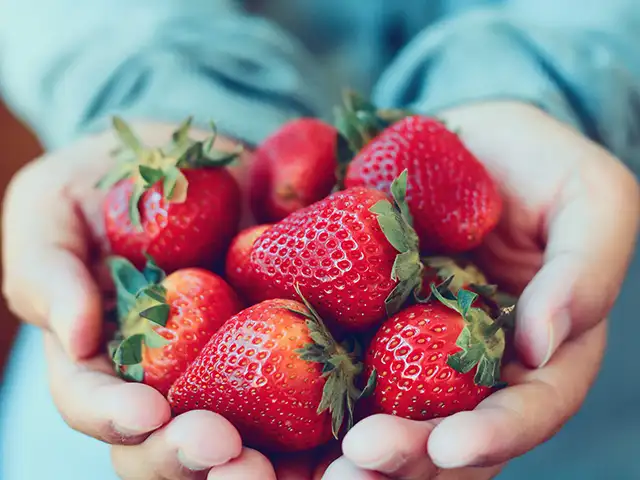
There’s no Wimbledon without some traditional strawberries and cream. Taking the tryst of these berries and tennis forward, scientists in the UK engineered a giant breed of the fruit that can grow to the size of tennis balls. The new strawberry plant— Gigantella Maxim in Latin — produces strawberries that can fill the palm of a hand. At an auction in 2017, one of these giant strawberries was sold for $4,395. Obviously, some of these are shipped to Wimbledon for the elegant few who can afford to indulge in them.
$4,395
There’s no Wimbledon without some traditional strawberries and cream. Taking the tryst of these berries and tennis forward, scientists in the UK engineered a giant breed of the fruit that can..
Read More
$14,600
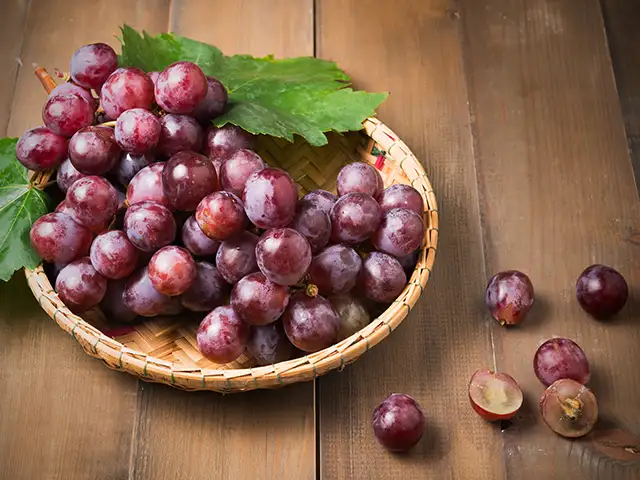
About the size of a ping pong ball, this variety of luscious red grapes grow in Japan. They were sold for $14,600 a bunch in 2016. With 30 grapes in the bunch, the cost of each fruit was approximately $480.
In 2008, the Ruby Roman grape debuted as a new variety of premium grapes in Japan and was so named via a public referendum. For a grape variety to be counted as a Ruby Roman, it must be over 20 gm and should have over 18 per cent of sugar.
$14,600
About the size of a ping pong ball, this variety of luscious red grapes grow in Japan. They were sold for $14,600 a bunch in 2016. With 30 grapes in the bunch, the cost of each fruit was app..
Read More
$13,000
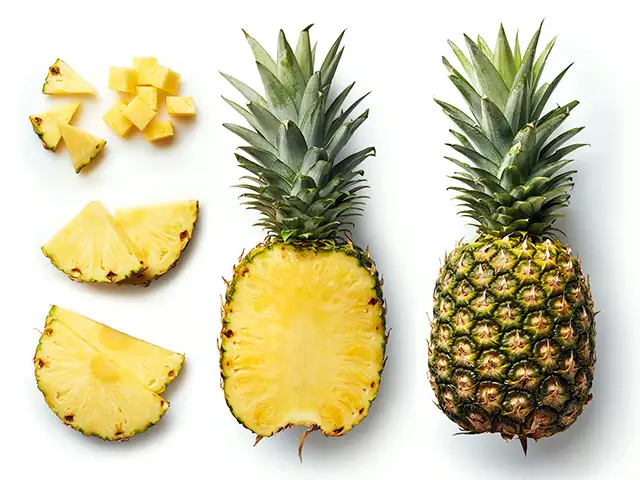
Rare, exotic and hard to grow, pineapples were a symbol of great status and wealth in Victorian times. This rings true even today, that is if your pineapples come from Cornwall. Cultivated at the Lost Gardens of Heligan, each of these carefully tended pineapples are worth a fortune. In 2012, each fruit was auctioned for $13,000. Traditional techniques are used to grow the fruit, complete with Victorian-style greenhouses and frequent changes of fresh horse manure. The resulting fruit is always “sweet, delicious and not stringy with an explosive flavour”, according to a Lost Garden spokesperson.
(All representative images)
$13,000
Rare, exotic and hard to grow, pineapples were a symbol of great status and wealth in Victorian times. This rings true even today, that is if your pineapples come from Cornwall. Cultivated a..



 Is your watermelon safe to eat? This simple cotton ball test can reveal hidden chemical adulteration at home2026-05-13T14:06:20Z

