Still didn't get your booster shot? Study says it is necessary to fight against Omicron
Neutralising antibody levels wane after 6 months in those who were fully vaccinated for Covid.
By PTI | Updated:

iStock
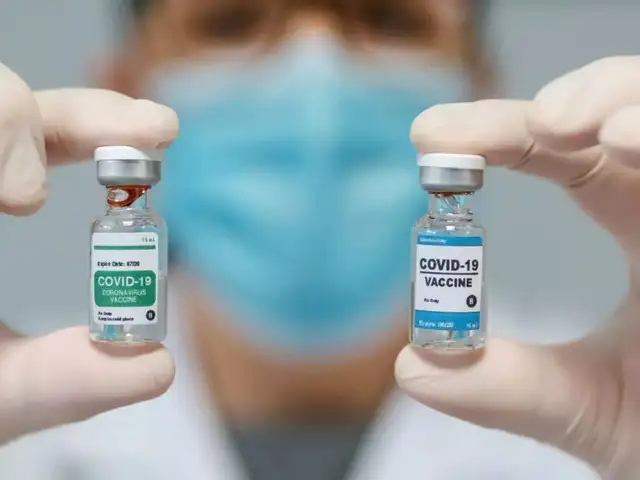
NEW DELHI: Neutralising antibody levels waned after six months in those who were fully vaccinated against the coronavirus with Covishield, Covaxin and a mix of both - Covishield as the first dose and Covaxin as the second dose - with regard to Omicron variant, a study done by the National Institute of Virology (NIV) in Pune has indicated.
The heterologous vaccination regimen of administering the first dose of Covishield, followed by the second dose of Covaxin, however, had given a very good neutralising response against Delta and other Variants of Concern, Dr Pragya Yadav, a scientist at the NIV, said.
The study findings were published in the Journal of Travel Medicine recently.
The study involved three cohorts -- a heterologous group with 18 individuals who were inadvertently administered the first dose of Covishield and the second dose of Covaxin in Uttar Pradesh and the other two groups comprising 40 individuals each receiving two doses of homologous Covishield or Covaxin.
"All the three groups were closely monitored. When we analysed the cohorts in June last year, the heterologous vaccination regimen of administering the first dose of Covisheid, followed by the second dose of Covaxin showed a very good neutralising antibody response against Delta and other Variants of Concern, as compared to the two other cohorts," Yadav said.
We analysed them again in December last year. A significant reduction in neutralizing antibody levels was observed in all cohorts with regard to Omicron, she said.
The study findings have so far highlight the need for booster dose in the context of Omicron variant, she added.
"The gradual shift of VoCs from Delta to Delta-sub-lineage to Omicron, along with the observed waning of immunity post six months of vaccination, has prompted discourses around devising an innovative vaccination strategy. The present investigation findings contribute meaningfully to such discussions. Regardless of the findings of this study, longitudinal monitoring for breakthrough infections should remain a part of any surveillance system," the study stated.
India began administering the precaution doses of the COVID-19 vaccines to the healthcare and frontline workers and those aged 60 years and above with comorbidities from January 10.
The Union health ministry removed the comorbidity clause recently, making everyone aged above 60 years eligible for the precaution dose of the Covid vaccines.
The vaccination of children aged 12-14 years started from March 16.

The heterologous vaccination regimen of administering the first dose of Covishield, followed by the second dose of Covaxin, however, had given a very good neutralising response against Delta and other Variants of Concern, Dr Pragya Yadav, a scientist at the NIV, said.
The study findings were published in the Journal of Travel Medicine recently.
The study involved three cohorts -- a heterologous group with 18 individuals who were inadvertently administered the first dose of Covishield and the second dose of Covaxin in Uttar Pradesh and the other two groups comprising 40 individuals each receiving two doses of homologous Covishield or Covaxin.
"All the three groups were closely monitored. When we analysed the cohorts in June last year, the heterologous vaccination regimen of administering the first dose of Covisheid, followed by the second dose of Covaxin showed a very good neutralising antibody response against Delta and other Variants of Concern, as compared to the two other cohorts," Yadav said.
We analysed them again in December last year. A significant reduction in neutralizing antibody levels was observed in all cohorts with regard to Omicron, she said.
ADVERTISEMENT
The study findings have so far highlight the need for booster dose in the context of Omicron variant, she added.
"The gradual shift of VoCs from Delta to Delta-sub-lineage to Omicron, along with the observed waning of immunity post six months of vaccination, has prompted discourses around devising an innovative vaccination strategy. The present investigation findings contribute meaningfully to such discussions. Regardless of the findings of this study, longitudinal monitoring for breakthrough infections should remain a part of any surveillance system," the study stated.
India began administering the precaution doses of the COVID-19 vaccines to the healthcare and frontline workers and those aged 60 years and above with comorbidities from January 10.
The Union health ministry removed the comorbidity clause recently, making everyone aged above 60 years eligible for the precaution dose of the Covid vaccines.
ADVERTISEMENT
The vaccination of children aged 12-14 years started from March 16.
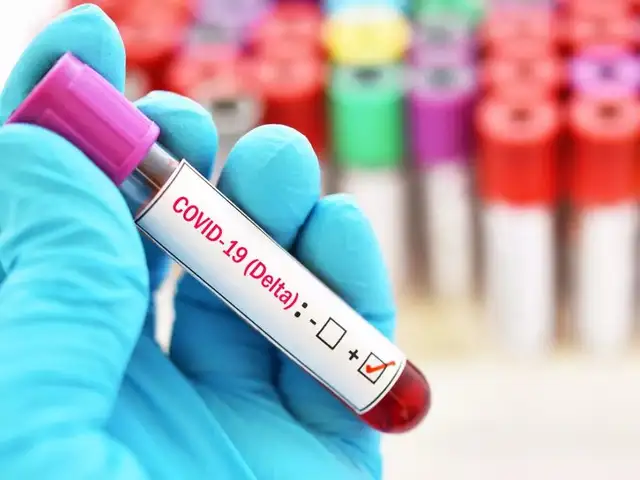
The continued spread of the SARS-CoV-2 virus has spawned a Greek alphabet of variants - a naming system used by the World Health Organization (WHO) to track concerning new mutations of the virus that causes COVID-19. Some have equipped the virus with better ways of infecting humans or evading vaccine protection.
Scientists remain focused on Delta, now the dominant variant around the world, but are tracking others to see what may one day take its place.


ADVERTISEMENT
Download
The Economic Times Business News App for the Latest News in Business, Sensex, Stock Market Updates & More.
The Economic Times Business News App for the Latest News in Business, Sensex, Stock Market Updates & More.
ADVERTISEMENT


