Sleep, eat, exercise and repeat: De-clutter your mind to maintain mental well-being
Create mental space to be able to learn and deal with stressful circumstances first.
By ET CONTRIBUTORS |

iStock
By Dr Manoj Sharma
The speed and spread of coronavirus has disrupted lives and livelihoods across all age groups. As we remain confined within our houses, according to safety and hygiene guidelines, we end up consuming a plethora of news and information more than ever before, through numerous mediums- television, social media, newspapers, family and friends. The situation also warrants us to be on our toes in terms of social distancing and maintaining sanitation practices at home while taking care of various household chores, eventually making us extremely anxious. For some, this pressure becomes too overwhelming. People are drawn to all the negative thoughts pertaining to the uncertain future causing extreme stress to many, which if not addressed on time, could potentially lead to depression and anxiety.
The Covid-19 pandemic has created an uncertain face for every human, organisation and nation. It has been harsh on every aspect of our daily lives, be it in the course of illness, daily routine, finances, recreation or socialising. During the lockdown, most of us were deprived of the rejuvenating effect on our mind, soul and body. However, we should remain calm, maintain peace, and follow the guidelines and best practices to avoid contracting the coronavirus.
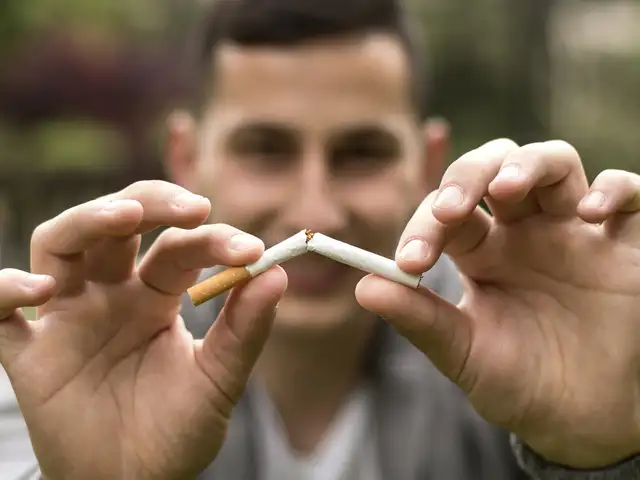
This could prove to be stressful for some, causing changes in sleep and dietary patterns, thus worsening the psychological health. In such scenarios, people usually turn to objects of momentary pleasure to relieve their stress. In such a case, increased consumption of alcohol, tobacco, or substance abuse, only worsens the situation. With self-awareness and deliberate relaxation practices, we can declutter our mind and create mental space to be able to learn & deal with stressful circumstances one at a time instead of trying to solve all problems in one go.
In such times, it is always helpful to remind oneself that there are numerous other people going through similar challenging times &fighting their own battles. Reach out to someone you know, who is struggling and try to strengthen them up in these times of need.
While these are some good practices for everyone in general, we can’t apply the “One Size Fits All” approach here. We must identify the vulnerable groups and devise guidance and solutions accordingly.
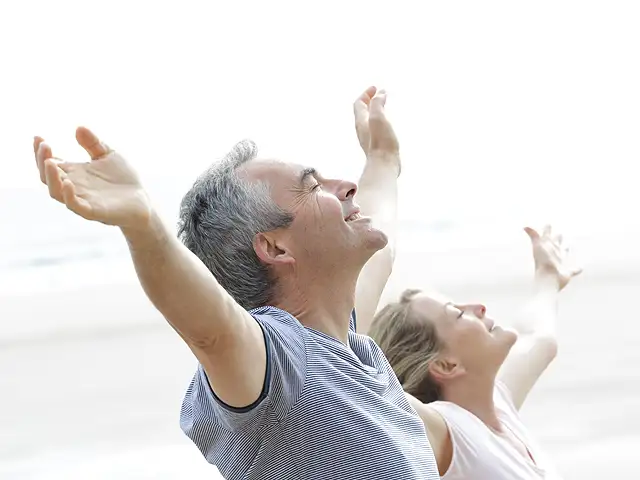
Young children, who have been indoors for more than three months are prone to becoming restless and jittery. They need to be engaged in various fun and learning activities. Parents need to be patient in dealing with them and indulge and participate in their activities like playing board games or craft work and engage them in yoga and some physical activities which have a rejuvenating effect on their young mind and body.
Teenagers, generally are full of energy, preparing to venture into adulthood, executing their future plans. Many of them who had to appear for various competitive exams are anxious and worried about their career. They need extra counselling by parents or via professionals. They need to be engaged in various online courses or can be guided to develop and refine skills of their choice like music, painting, art etc.
Elderly people are prone to developing serious illness, and at the same time they are also prone to psychological stress. We need to ensure that they don’t feel lonely and devote some time engaging & talking to them while also making sure to replenish their necessary things, such as medications.
Sanity can be preserved, even amid chaos, so hold on and we will tide over this crisis. In Bhagwat Gita, when Arjun gets nervous looking at the Kauravs’s army, Shri Krishna pacifies him by saying that being fearful is good, as it makes you more vigilant, thereby preparing you better for the circumstances. So be prepared and together we will conquer this battle against this pandemic.
(The author is Senior Consultant Medicine and Incharge at Medeor Hospital)
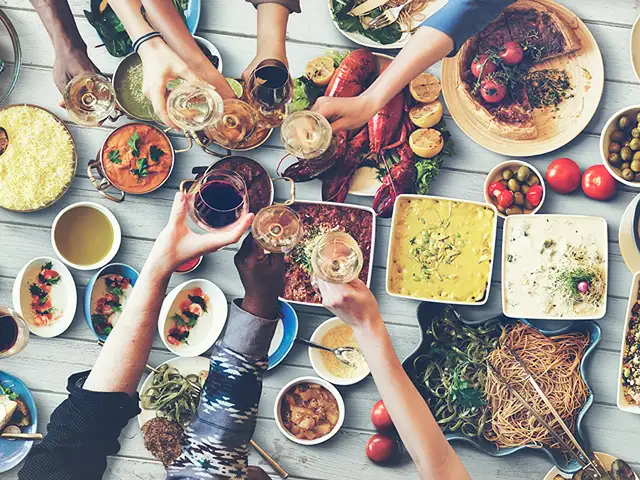
As fancy as it sounds, the idea of boosting immunity, has proven to be difficult to materialise in reality. For years, researchers from across the world have been struggling to figure out the accurate formula to achieve a good immune system. Until the formula is known, it is recommended to adopt a healthy lifestyle for an enhanced immune function, and to keep the body intact and healthy.
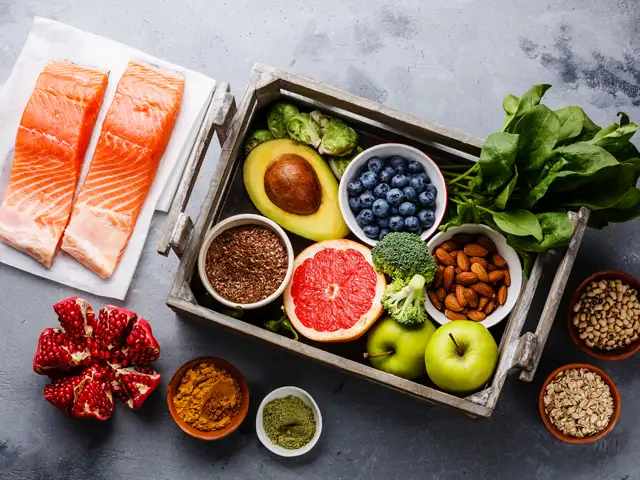
Making healthy lifestyle changes in terms of diet, exercise and managing stress, in addition to other factors, can go a long way in helping the immune system get the boost it requires.
On International Immunology Day, Chennai-based clinical nutritionist, lactation consultant and diabetes educator - Ramya Ramachandran - shares five tips that can give your life a healthy spin.
The speed and spread of coronavirus has disrupted lives and livelihoods across all age groups. As we remain confined within our houses, according to safety and hygiene guidelines, we end up consuming a plethora of news and information more than ever before, through numerous mediums- television, social media, newspapers, family and friends. The situation also warrants us to be on our toes in terms of social distancing and maintaining sanitation practices at home while taking care of various household chores, eventually making us extremely anxious. For some, this pressure becomes too overwhelming. People are drawn to all the negative thoughts pertaining to the uncertain future causing extreme stress to many, which if not addressed on time, could potentially lead to depression and anxiety.
The Covid-19 pandemic has created an uncertain face for every human, organisation and nation. It has been harsh on every aspect of our daily lives, be it in the course of illness, daily routine, finances, recreation or socialising. During the lockdown, most of us were deprived of the rejuvenating effect on our mind, soul and body. However, we should remain calm, maintain peace, and follow the guidelines and best practices to avoid contracting the coronavirus.
This could prove to be stressful for some, causing changes in sleep and dietary patterns, thus worsening the psychological health. In such scenarios, people usually turn to objects of momentary pleasure to relieve their stress. In such a case, increased consumption of alcohol, tobacco, or substance abuse, only worsens the situation. With self-awareness and deliberate relaxation practices, we can declutter our mind and create mental space to be able to learn & deal with stressful circumstances one at a time instead of trying to solve all problems in one go.
In such times, it is always helpful to remind oneself that there are numerous other people going through similar challenging times &fighting their own battles. Reach out to someone you know, who is struggling and try to strengthen them up in these times of need.
While these are some good practices for everyone in general, we can’t apply the “One Size Fits All” approach here. We must identify the vulnerable groups and devise guidance and solutions accordingly.
ADVERTISEMENT
A recent study by Optum found that 46% of the Indian workforce reports suffering from some form of stress.
Don't let your busy and stressful worklife take a toll on you. Excessive stress can have a negative effect on your body, mood, as well as behaviour, ranging from headaches, anxiety, fatigue and irritability.
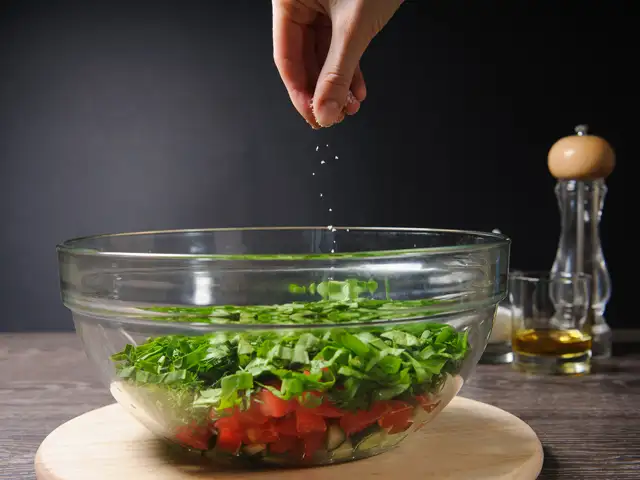
Dr Hariprasad, Ayurveda Expert at The Himalaya Drug Company, shares natural methods to cope with stress:




Young children, who have been indoors for more than three months are prone to becoming restless and jittery. They need to be engaged in various fun and learning activities. Parents need to be patient in dealing with them and indulge and participate in their activities like playing board games or craft work and engage them in yoga and some physical activities which have a rejuvenating effect on their young mind and body.
Teenagers, generally are full of energy, preparing to venture into adulthood, executing their future plans. Many of them who had to appear for various competitive exams are anxious and worried about their career. They need extra counselling by parents or via professionals. They need to be engaged in various online courses or can be guided to develop and refine skills of their choice like music, painting, art etc.
Elderly people are prone to developing serious illness, and at the same time they are also prone to psychological stress. We need to ensure that they don’t feel lonely and devote some time engaging & talking to them while also making sure to replenish their necessary things, such as medications.
ADVERTISEMENT
Healthcare workers and essential service providers like policemen, sanitary workers on the other hand, have bigger challenges than others, as they have to serve the community and at the same time save themselves and their loved ones from getting infected from COVID-19. They are stressed not only about risking themselves from contracting the disease, but also have the risk of carrying it home to their dear ones. Stress the face is enormous making them extremely prone to burnouts. To mitigate this, they should exercise regularly, not only to keep themselves physically fit, but also to get some emotional boost, have a balanced diet, practice healthy sleep habits and most importantly reach out for help when in need.Sanity can be preserved, even amid chaos, so hold on and we will tide over this crisis. In Bhagwat Gita, when Arjun gets nervous looking at the Kauravs’s army, Shri Krishna pacifies him by saying that being fearful is good, as it makes you more vigilant, thereby preparing you better for the circumstances. So be prepared and together we will conquer this battle against this pandemic.
ADVERTISEMENT
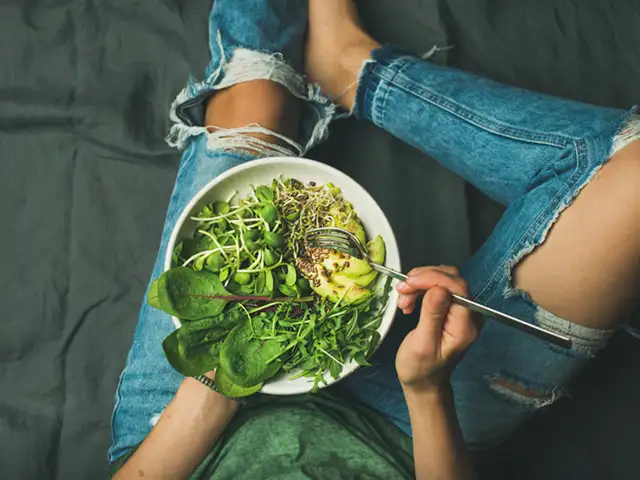
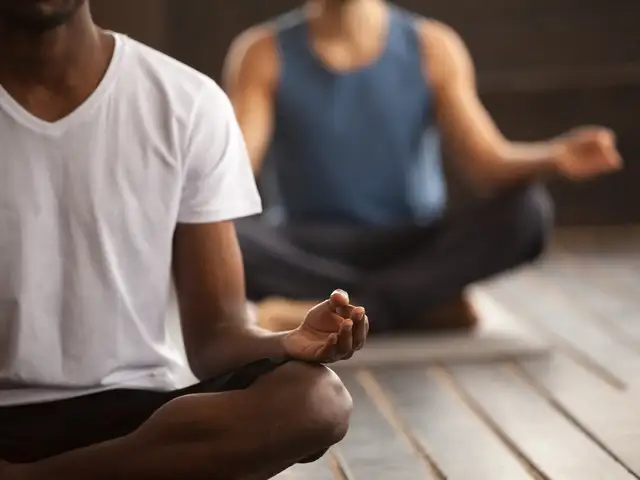
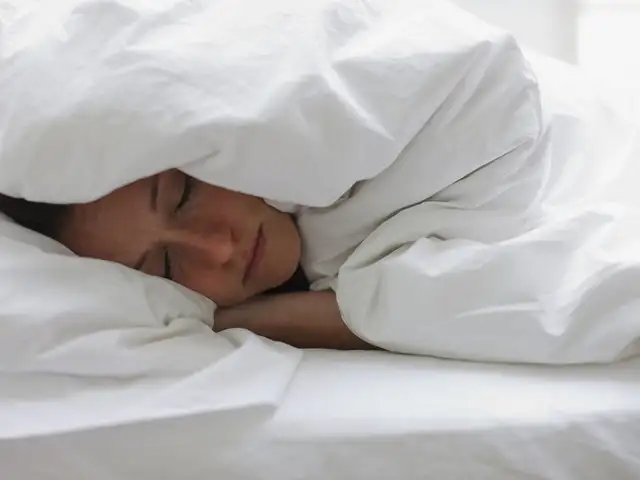
To avoid mental health problems creeping in, all of us must adopt a healthy routine of our sleep, diet, exercise and recreation.(The author is Senior Consultant Medicine and Incharge at Medeor Hospital)
Making healthy lifestyle changes in terms of diet, exercise and managing stress, in addition to other factors, can go a long way in helping the immune system get the boost it requires.
On International Immunology Day, Chennai-based clinical nutritionist, lactation consultant and diabetes educator - Ramya Ramachandran - shares five tips that can give your life a healthy spin.

(Disclaimer: The opinions expressed in this column are that of the writer. The facts and opinions expressed here do not reflect the views of www.economictimes.com.)
Download
The Economic Times Business News App for the Latest News in Business, Sensex, Stock Market Updates & More.
The Economic Times Business News App for the Latest News in Business, Sensex, Stock Market Updates & More.
ADVERTISEMENT


