Silent killer: Unhealthy food habits putting millennials at risk of non-communicable diseases
Obesity, diabetes, heart attack have been accentuated by unhealthy lifestyles.
By ET Bureau |
Getty Images
By Ishu Kataria
The youth of today is fearless, not afraid of the choices they make, an attitude that is reflected in their approach towards their health also. Most of them tend to believe that they will stay strong and fit, irrespective of their lifestyle choices. With a variety of food-ordering mobile apps and large pocket money, young people are easily ordering all types of food to fulfil their desire for having global cuisines, as it suits their lifestyle, and helps them fit in with their peers.
This new trend of unhealthy food habits among the youth in India has put them at a risk of developing obesity, diabetes, heart attack — basically non-communicable diseases (NCDs) accentuated by unhealthy lifestyles. Add to this food channels on TV and social media videos on Instagram and Facebook along with hefty discounts at take-away food chains, which have lured an entire generation into eating unhealthy food.
NCDs are those diseases that are not caused by an infection and not spread through contact with another person. They are the silent killers of our generation. Nearly two out of three deaths in India are due to NCDs, with heart diseases and chronic obstructive pulmonary disease (COPD) becoming the leading causes of death in the country.
When we talk about young people in India, more than 19% of children in the country are overweight or obese and 45% of youth in the age group of 14 to 16 years do not consume fruits daily. Between the ages of 15 and 19, 11% boys and 1% girls consume alcohol, and 29% boys and 4% girls use tobacco. All these risk factors can be modified, and youth is the right time to do so.
ADVERTISEMENT
BEHAVIOUR CHANGE Research shows that this behaviour can be changed through socio-ecological approach, which involves influencing both personal and environmental factors of an individual to bring behaviour change. In case of youth, this environment constitutes family, school, friends, social networks, mass media, and workplace if they are employed, national, state and local laws. Since this group of people follows trends that help it fit in, it is time to make healthy eating cool, which can be done by equipping people with knowledge and skills to make informed food and physical activity choices supported by an enabling environment. This, of course, will need concerted efforts, from not only young people but also of their families, schools and the government.
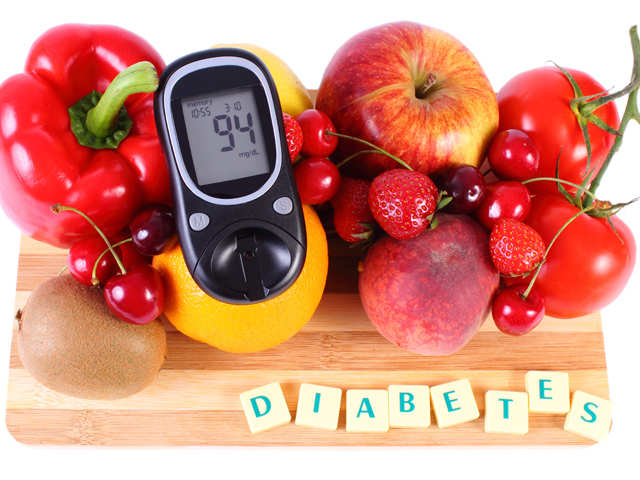
Diabetes Food Check: Eat Apples & Avocados, Junk Most Things White
1/6
The life you lead and the food you eat are two important factors when it comes to diabetes. Both play a role for those who are already battling it and for those who remain vulnerable to it.
Whole foods that are not processed should always be on the menu. But also remember that some items have to be away from the dining table if you want to steer clear of diabetes.
Additionally, avoid special diets and stick to what you make at home. Just follow the basic rules like keeping a constant calorie count during meals.
The life you lead and the food you eat are two important factors when it comes to diabetes. Both play a role for those who are already battling it and for those who remain vulnerable to it.
Whole fo..
Read More
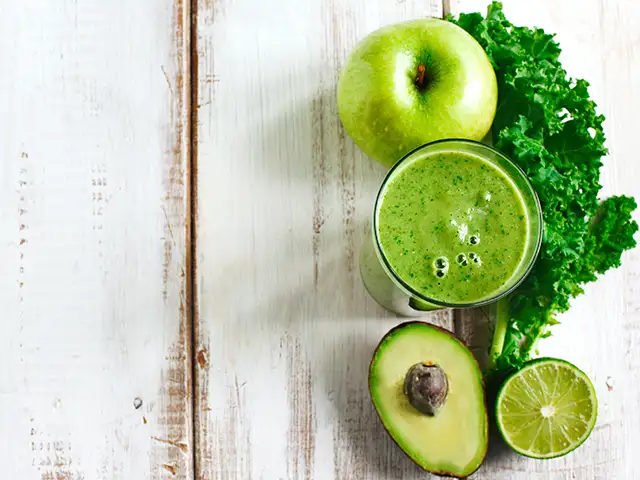
A hypoglycaemic fruit, Apple is rich in fibre and an impeccable ingredient for a diabetic. It also contains Pectin, that helps reduce blood sugar levels and the requirement of insulin in the body by almost 50 per cent.
There is even a connection between avocados and diabetes. According to a study by the American Journal of Clinical Nutrition, women who consume good fats (found in avocados) are less likely to develop type 2 diabetes.
A hypoglycaemic fruit, Apple is rich in fibre and an impeccable ingredient for a diabetic. It also contains Pectin, that helps reduce blood sugar levels and the requirement of insulin in the body by ..
Read More
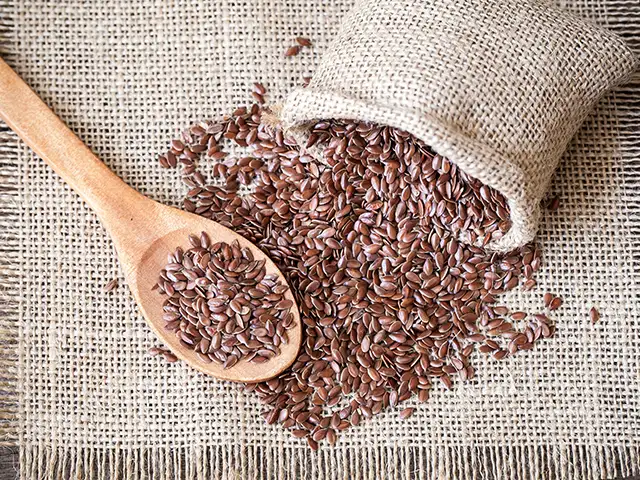
Containing alpha-linolenic acid (ALA), which can be converted into omega-3 fatty acids, Flaxseeds offer benefits similar to consuming fish. They are also a good source of lignans and antioxidants.
According to the National Institutes of Health, flaxseeds may help in lowering hemoglobin A1C in people with type 2 diabetes.
Another study shows that when people with type 2 diabetes include flaxseeds in their diet, blood glucose levels decrease.
So whether you add it to your cereal, on salads, or whip up a smoothie, definitely include it in your diet.
Containing alpha-linolenic acid (ALA), which can be converted into omega-3 fatty acids, Flaxseeds offer benefits similar to consuming fish. They are also a good source of lignans and antioxidants.
A..
Read More
Berries are not just for cake toppings and holiday dinners. The power-packed fruits help break glucose into energy, which reduces the increased glucose levels by a considerable amount. Further, they increase the release of insulin, thus regulating glucose levels in the body.
Cranberries, known for helping prevent urinary tract infections, are also beneficial in a diabetes. The antioxidants found in cranberries may reduce the risk of heart disease.
Blueberries are high on anthocyanins, a chemical that stimulates the release of adiponectin - a hormone that regulates blood glucose levels. These berries are known to help lower blood glucose levels and lift depression.
Berries are not just for cake toppings and holiday dinners. The power-packed fruits help break glucose into energy, which reduces the increased glucose levels by a considerable amount. Further, they ..
Read More
The first rule of the thumb for a person suffering from diabetes is to monitor their sugar intake. Any form of free sugar - honey, jaggery, maple syrup, table sugar, should be a complete no. And for those sweet cravings, opt for healthier alternatives like melons that are a good source of antioxidants, and Vitamins C and A.
The first rule of the thumb for a person suffering from diabetes is to monitor their sugar intake. Any form of free sugar - honey, jaggery, maple syrup, table sugar, should be a complete no. And for ..
Read More
Avoid anything that contains refined starch - flour, white rice, white pasta, bread. Once in the body, carbohydrates are broken down into glucose, thus affecting the blood sugar levels.
Avoid anything that contains refined starch - flour, white rice, white pasta, bread. Once in the body, carbohydrates are broken down into glucose, thus affecting the blood sugar levels.
Sensitisation programmes to popularise healthy eating among the youth should aim at improving the environment where they spend most of their time. To begin with, at home, parents can be excellent role models to champion the cause of following a healthy diet. For this, they should be sensitised to the benefits of cooking regular meals, instead of ordering in.
ADVERTISEMENT
In the case of younger children, schools could send home educational materials and family assignments to emphasise the need of eating healthy food from a young age. Including school staff in the sensitisation programme could further accelerate its impact. Displaying educational posters about healthy eating in the canteen and replacing unhealthy food items offered there with nutritious ones, along with access to clean water, will help instil healthy eating habits among students.
Furthermore, group educational sessions about healthy eating help target a larger cohort in the community rather than one-on-one counselling, thereby enabling and empowering a large corpus of peers or friends, who can reinforce the knowledge. Social and digital interventions via internet-based coaching and self-management programmes and introducing mass media campaigns can also encourage youngsters to choose healthy foods.
ADVERTISEMENT
REGULATION IS CRUCIAL Along with these programmes targeted at individuals, there needs to be a strong regulation on food labelling that will push the private players in the domestic food industry to show their social responsibility towards the youth of the country.
Laws and policies to ensure that meals in school follow nutritional guidelines, offering healthy snacks at work meetings and regulating the marketing of unhealthy foods and beverages, could go a long way in supporting and sustaining healthy behaviours. The government of India has taken cognizance of this situation and the Safe and Nutritious Food campaign by the Food Safety and Standards Authority of India (FSSAI) that is helping school children adopt the habit of eating safe and eating right at home and school, people at work and while ordering at restaurants, is a step in the right direction, but clearly, more needs to be done.
The best way to tackle this growing epidemic of NCDs is to focus on creating an environment that supports positive knowledge, attitude and behaviour change around healthy eating habits. The time to invest in youth is now.
—The writer is Senior Associate Health, RTI International India






 FundsIndia raises Rs 44.6 crore through maiden secured NCD issue

