Should you brush your teeth before or after breakfast? The answer is not so simple
Brushing teeth is mandatory in morning but timing can vary upon preferences say, experts.
By New York Times | Updated:

(Science Times) ; (Ask Well)
The truth is that few studies have looked into this question and their results have been mixed and limited, so there isn't a definitive answer, said Dr. Apoena de Aguiar Ribeiro, a pediatric dentist and microbiologist at the University of North Carolina at Chapel Hill. But, she and other dentists said, there are pros and cons for each option to keep in mind.
The Case for Brushing Before Breakfast
For many people, breakfast includes sugary carbohydrates, said Dr. Carlos Gonzalez-Cabezas, a dentist, professor and associate dean for academic affairs at the University of Michigan School of Dentistry. Cereals, breads, muffins and pancakes - these all contain fermentable carbohydrates that bacteria love to feed on.
And when you wake up in the morning, de Aguiar Ribeiro added, bacterial levels in your mouth are at their peak - "that's why we have bad breath when we wake up."
So a mouth rife with bacteria and a breakfast full of sugary carbs means that conditions are perfect for the bacteria to flourish and multiply. When this happens, they release acids that can wear down the protective enamel on your teeth, making them more prone to cavities, de Aguiar Ribeiro said. Brushing before breakfast clears that bacteria away, denying them the opportunity to feed on your food.
Another reason to brush before breakfast is to jump-start the production of saliva, de Aguiar Ribeiro added, which is one of the most protective forces for your teeth. Saliva helps strengthen your teeth by depositing minerals that bacteria may have eaten away overnight. It also contains bicarbonate that helps to neutralize the acidity in your mouth. An added bonus, she said, is that if your toothpaste contains fluoride, it will make your teeth more resistant to decay by strengthening your enamel and neutralizing the acids from breakfast.
And finally, said Dr. Rocio Quinonez, a professor of pediatric dentistry at the University of North Carolina at Chapel Hill, a reason to integrate brushing into your "getting up" routine is to prevent the possibility that you will run out of time or forget to do it later. This is especially true if you have kids, she added, because tooth brushing is most likely the last thing on your mind once you've scarfed down breakfast and are rushing out the door.
If this sounds like a familiar situation, or if you tend to eat breakfast outside of your home or at work, the answer is clear, Gonzalez-Cabezas said - "brush your teeth before leaving the house, otherwise you won't brush at all."
The Case for Brushing After Breakfast
On the other hand, there are arguments for waiting until after breakfast to brush, Gonzalez-Cabezas said.
"The reality is that most people don't brush that well," he said, so even if you brush right before breakfast, you probably will still have bacteria lingering in your mouth that could multiply and produce acids during breakfast and for the rest of the day, so you may as well brush after you eat to minimize that lingering food.
And, he said, the fluoride from your toothpaste will work better throughout the day if it is not displaced by chewing food right after you brush.
Some experts argue that brushing your teeth too soon after a meal - especially one with acidic beverages like coffee or orange juice - will damage your enamel. That is true, Gonzalez-Cabezas said, but the actual damage that could be done would be so minimal that it wouldn't really affect the health of your teeth. So to him, the benefits of post-breakfast brushing outweigh the potential negatives.
De Aguiar Ribeiro recommended that if you can, wait at least 30 minutes after a meal to brush. If you want to get rid of lingering breakfast bits before then, she suggested drinking or swishing water.
Finally, while it's true that the bacteria present in your mouth right after waking up will feast on your breakfast and produce damaging acids, Gonzalez-Cabezas said that most people eat breakfast pretty quickly - usually completing their meal within 10 to 15 minutes. That isn't enough time to do a ton of damage, he said, so again, he believes the benefits of brushing after breakfast - being able to rid your mouth of any food particles and leave fluoride on your teeth - outweigh the negative effects of whatever acids might be produced by bacteria while you are eating.
In his opinion, most people should brush after breakfast, schedule permitting.
The Bottom Line
Ultimately, the decision boils down to what works for you, de Aguiar Ribeiro said, because the science is sparse and "there is no consensus in the literature."
Quinonez agreed: There is no proof either way, she said, so all of the arguments are largely theoretical. "It's highly debated and it ultimately may not make a significant clinical difference," she said.
In the end, Quinonez said, the most important question to ask yourself is this: What brushing habit will make me most likely to brush my teeth consistently? Once you have your answer, she said, work it into your routine and stick with it.

Q: Is it better to brush my teeth before or after breakfast? Some dentists say it's better to brush before, some say after - which one is it?
A: Everyone knows that you should brush your teeth at least twice a day: once in the morning and once before bedtime. But when it comes to your morning routine, is it better to brush before or after breakfast?The truth is that few studies have looked into this question and their results have been mixed and limited, so there isn't a definitive answer, said Dr. Apoena de Aguiar Ribeiro, a pediatric dentist and microbiologist at the University of North Carolina at Chapel Hill. But, she and other dentists said, there are pros and cons for each option to keep in mind.
The Case for Brushing Before Breakfast
For many people, breakfast includes sugary carbohydrates, said Dr. Carlos Gonzalez-Cabezas, a dentist, professor and associate dean for academic affairs at the University of Michigan School of Dentistry. Cereals, breads, muffins and pancakes - these all contain fermentable carbohydrates that bacteria love to feed on.And when you wake up in the morning, de Aguiar Ribeiro added, bacterial levels in your mouth are at their peak - "that's why we have bad breath when we wake up."
So a mouth rife with bacteria and a breakfast full of sugary carbs means that conditions are perfect for the bacteria to flourish and multiply. When this happens, they release acids that can wear down the protective enamel on your teeth, making them more prone to cavities, de Aguiar Ribeiro said. Brushing before breakfast clears that bacteria away, denying them the opportunity to feed on your food.
ADVERTISEMENT
Another reason to brush before breakfast is to jump-start the production of saliva, de Aguiar Ribeiro added, which is one of the most protective forces for your teeth. Saliva helps strengthen your teeth by depositing minerals that bacteria may have eaten away overnight. It also contains bicarbonate that helps to neutralize the acidity in your mouth. An added bonus, she said, is that if your toothpaste contains fluoride, it will make your teeth more resistant to decay by strengthening your enamel and neutralizing the acids from breakfast.
And finally, said Dr. Rocio Quinonez, a professor of pediatric dentistry at the University of North Carolina at Chapel Hill, a reason to integrate brushing into your "getting up" routine is to prevent the possibility that you will run out of time or forget to do it later. This is especially true if you have kids, she added, because tooth brushing is most likely the last thing on your mind once you've scarfed down breakfast and are rushing out the door.
If this sounds like a familiar situation, or if you tend to eat breakfast outside of your home or at work, the answer is clear, Gonzalez-Cabezas said - "brush your teeth before leaving the house, otherwise you won't brush at all."
The Case for Brushing After Breakfast
On the other hand, there are arguments for waiting until after breakfast to brush, Gonzalez-Cabezas said.ADVERTISEMENT
"The reality is that most people don't brush that well," he said, so even if you brush right before breakfast, you probably will still have bacteria lingering in your mouth that could multiply and produce acids during breakfast and for the rest of the day, so you may as well brush after you eat to minimize that lingering food.
And, he said, the fluoride from your toothpaste will work better throughout the day if it is not displaced by chewing food right after you brush.
ADVERTISEMENT
Some experts argue that brushing your teeth too soon after a meal - especially one with acidic beverages like coffee or orange juice - will damage your enamel. That is true, Gonzalez-Cabezas said, but the actual damage that could be done would be so minimal that it wouldn't really affect the health of your teeth. So to him, the benefits of post-breakfast brushing outweigh the potential negatives.
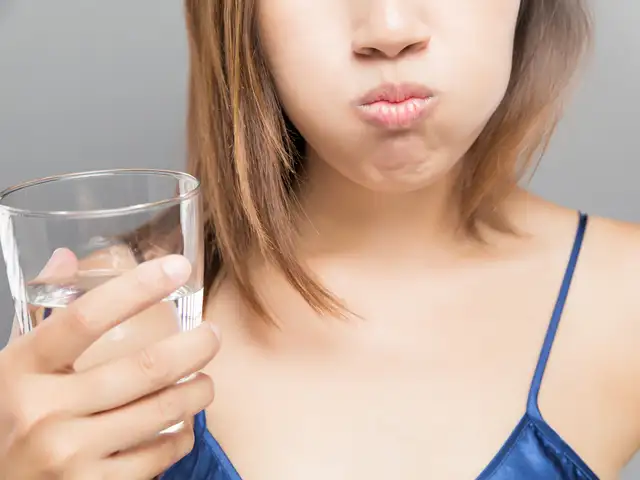
De Aguiar Ribeiro recommended that if you can, wait at least 30 minutes after a meal to brush. If you want to get rid of lingering breakfast bits before then, she suggested drinking or swishing water.
Finally, while it's true that the bacteria present in your mouth right after waking up will feast on your breakfast and produce damaging acids, Gonzalez-Cabezas said that most people eat breakfast pretty quickly - usually completing their meal within 10 to 15 minutes. That isn't enough time to do a ton of damage, he said, so again, he believes the benefits of brushing after breakfast - being able to rid your mouth of any food particles and leave fluoride on your teeth - outweigh the negative effects of whatever acids might be produced by bacteria while you are eating.
In his opinion, most people should brush after breakfast, schedule permitting.
The Bottom Line
Ultimately, the decision boils down to what works for you, de Aguiar Ribeiro said, because the science is sparse and "there is no consensus in the literature."Quinonez agreed: There is no proof either way, she said, so all of the arguments are largely theoretical. "It's highly debated and it ultimately may not make a significant clinical difference," she said.
In the end, Quinonez said, the most important question to ask yourself is this: What brushing habit will make me most likely to brush my teeth consistently? Once you have your answer, she said, work it into your routine and stick with it.
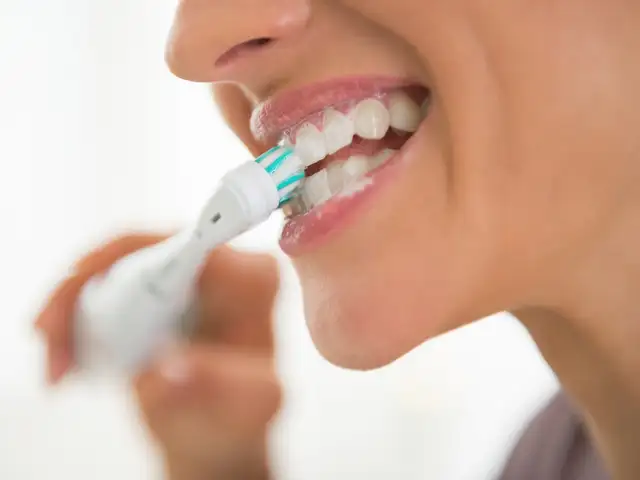
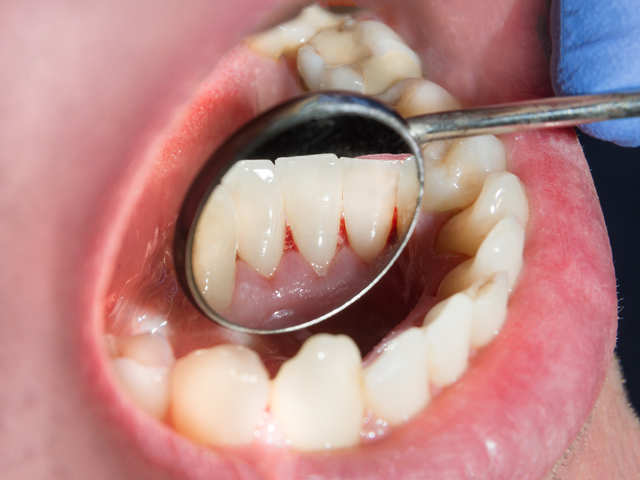
We often miss out on taking the best care of our pearly whites, making them vulnerable to plaque, cavity, etc. One must ensure incorporating good oral habits in daily routine for healthy and sparkling teeth.
On World Oral Health Day, Dr A Kumarswamy, MDS, Periodontist & Implantologist, and Dr Mahesh Verma, Director - Principal Maulana Azad Institute of Dental Sciences & former President of Indian Dental Association share tips to keep your teeth healthy.


Download
The Economic Times Business News App for the Latest News in Business, Sensex, Stock Market Updates & More.
The Economic Times Business News App for the Latest News in Business, Sensex, Stock Market Updates & More.
ADVERTISEMENT


