Shipwaves Co-Founder reads to keep stress & negativity at bay; prefers carrying around Kindle than printed books
K Mohammed Haris feels reading helps broaden one’s mind.
By Maleeva Rebello, ET Bureau | Updated:

Agencies
During the lockdown, K Mohammed Haris, Co-Founder, Shipwaves started reading the book ‘Blue Ocean Shift’ written by W Chan Kim and Renee Mauborgne.
He told ET Panache, "’Blue Ocean Shift’ is a roadmap to move you, your team, and your organisation to new heights of confidence, market creation, and growth. It provides a decade of new research, detailed systems and processes to get the transformation in the organisation."
In business and in life in general, Haris feels it's tough with competition, challenges, uncertainties, etc which is natural for every individual or an organisation.
"Driving innovation and a digital transformation mindset in every individual in my organisation is something I try to apply every day based on what I read. Reading and learning broaden one's mind and the way you view the world around you. One becomes more open to diverse views and opinions. There is no definitive end to reading or learning. I truly believe in the saying, 'the more I know, the more I know I don’t know, and the more I learn, the more I learn I need to learn'," he said.
In these uncertain times of Covid-19, Haris is trying to learn how mankind dealt with the Spanish flu and how we emerged out of that.
"I try to make sense of everything by seeing patterns in the past. I believe we will emerge victorious as Peter Thiel proposed in his wonderful book ‘Zero to one’. Technological advancements that will come post this crisis will help us take that quantum leap and achieve escape velocity for mankind as a whole. If you look back after each setback mankind has made a quantum jump into the future. It has happened in the past and it will happen again. Reading about the past and the future helps me make sense of the present," he said.
It depends on Haris's schedule, sometimes he is very busy and on most occasions, he hardly has time to read, but manages to keep reading through the day.
"Nowadays I spend more time catching up with news, articles, some research articles on a range of topics covering technology, logistics, shipping, and of course daily dose of learning about Covid and the Impact of the pandemic on mankind. Reading lets me refocus and reset my mind away from all the stress and negativity," he said.
Haris likes to read ebooks. "One of the greatest advantages of reading e-books is that they’re convenient and so easily accessible. Kindle is a lot easier to carry around than carrying a bunch of printed books," he ended.
He told ET Panache, "’Blue Ocean Shift’ is a roadmap to move you, your team, and your organisation to new heights of confidence, market creation, and growth. It provides a decade of new research, detailed systems and processes to get the transformation in the organisation."
In business and in life in general, Haris feels it's tough with competition, challenges, uncertainties, etc which is natural for every individual or an organisation.
"Driving innovation and a digital transformation mindset in every individual in my organisation is something I try to apply every day based on what I read. Reading and learning broaden one's mind and the way you view the world around you. One becomes more open to diverse views and opinions. There is no definitive end to reading or learning. I truly believe in the saying, 'the more I know, the more I know I don’t know, and the more I learn, the more I learn I need to learn'," he said.
In these uncertain times of Covid-19, Haris is trying to learn how mankind dealt with the Spanish flu and how we emerged out of that.
"I try to make sense of everything by seeing patterns in the past. I believe we will emerge victorious as Peter Thiel proposed in his wonderful book ‘Zero to one’. Technological advancements that will come post this crisis will help us take that quantum leap and achieve escape velocity for mankind as a whole. If you look back after each setback mankind has made a quantum jump into the future. It has happened in the past and it will happen again. Reading about the past and the future helps me make sense of the present," he said.
ADVERTISEMENT
It depends on Haris's schedule, sometimes he is very busy and on most occasions, he hardly has time to read, but manages to keep reading through the day.
"Nowadays I spend more time catching up with news, articles, some research articles on a range of topics covering technology, logistics, shipping, and of course daily dose of learning about Covid and the Impact of the pandemic on mankind. Reading lets me refocus and reset my mind away from all the stress and negativity," he said.
Haris likes to read ebooks. "One of the greatest advantages of reading e-books is that they’re convenient and so easily accessible. Kindle is a lot easier to carry around than carrying a bunch of printed books," he ended.
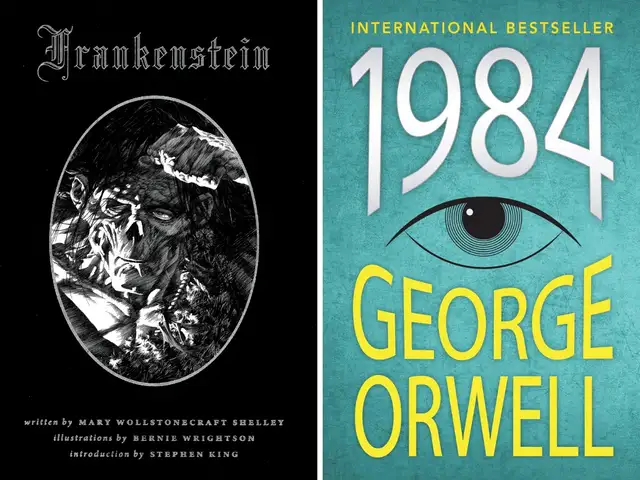
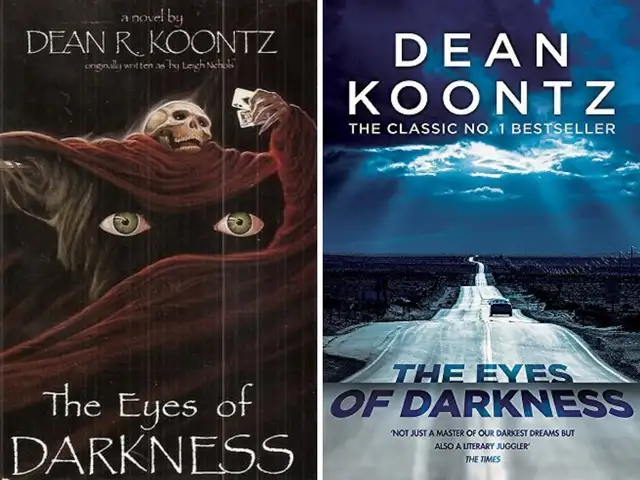
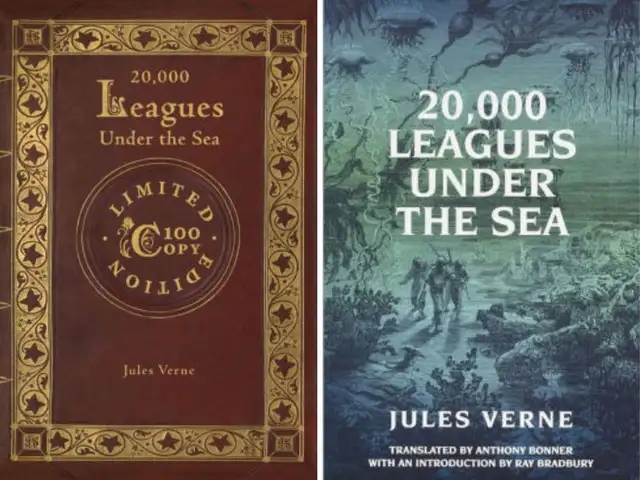
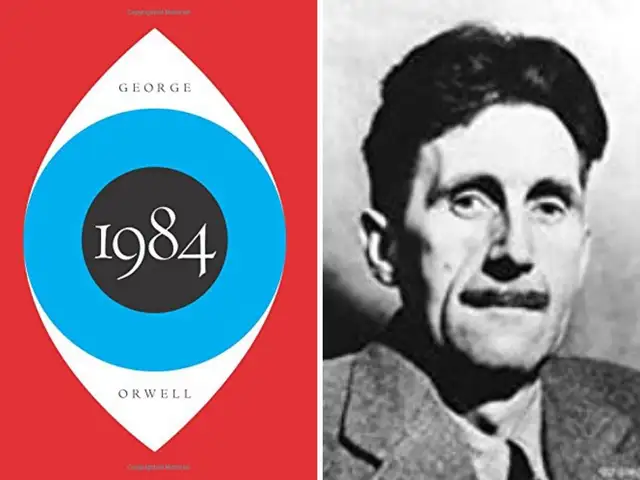
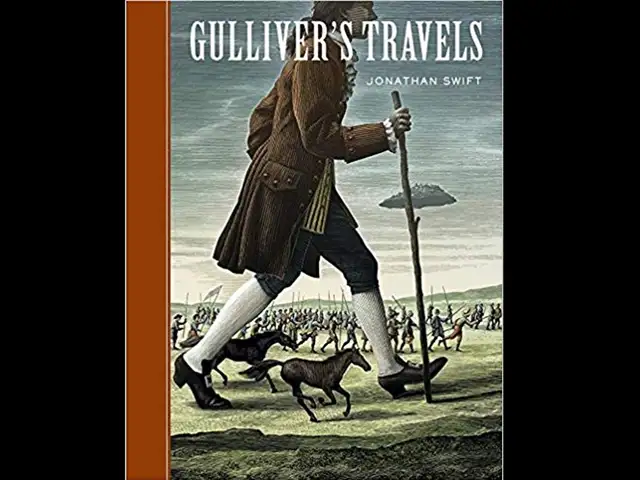
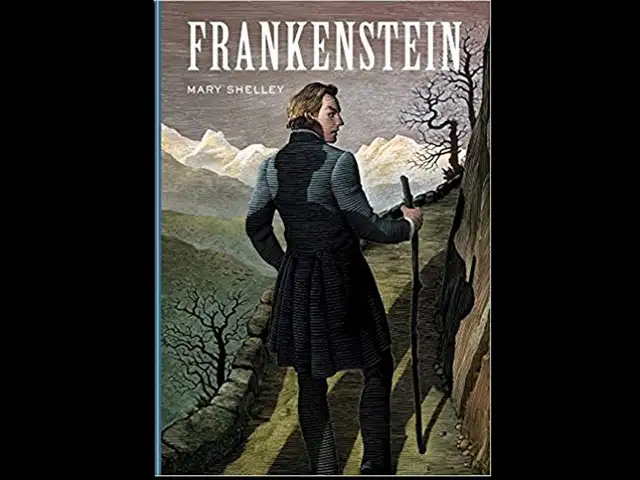
A look back at the different times when authors unleashed the Nostradamus in them and came up with something that was years ahead of its time.

ADVERTISEMENT
Download
The Economic Times Business News App for the Latest News in Business, Sensex, Stock Market Updates & More.
The Economic Times Business News App for the Latest News in Business, Sensex, Stock Market Updates & More.
ADVERTISEMENT


